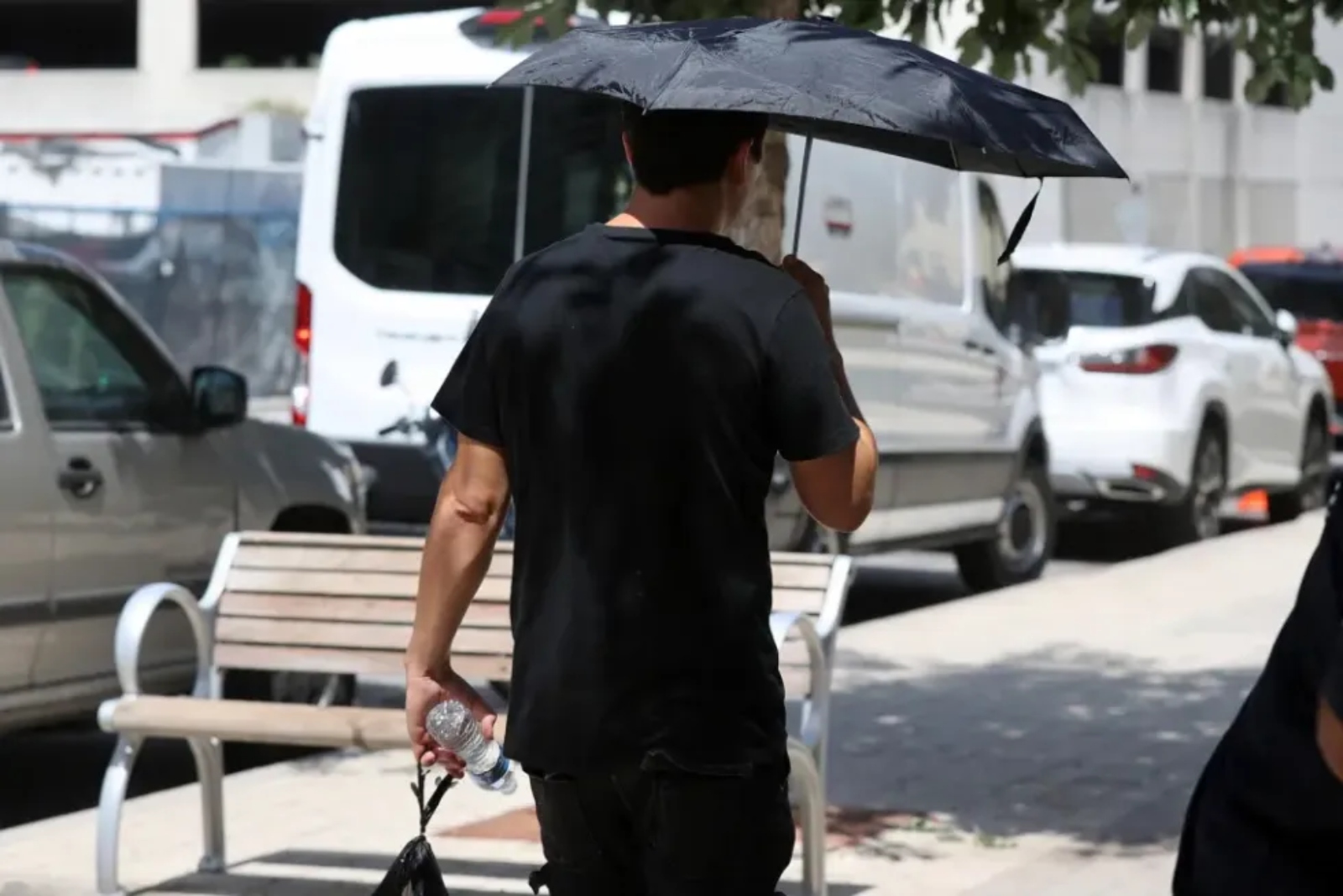
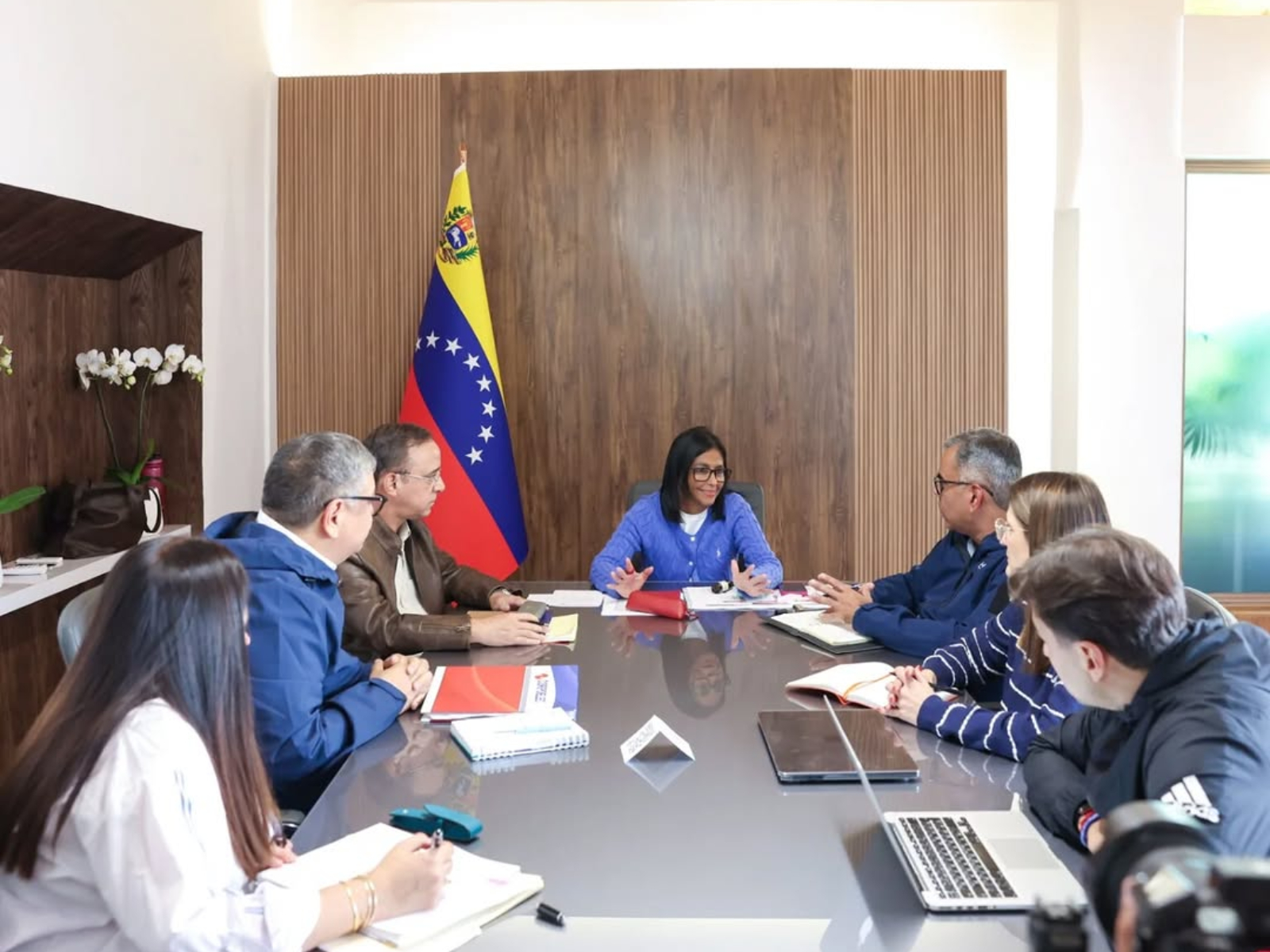
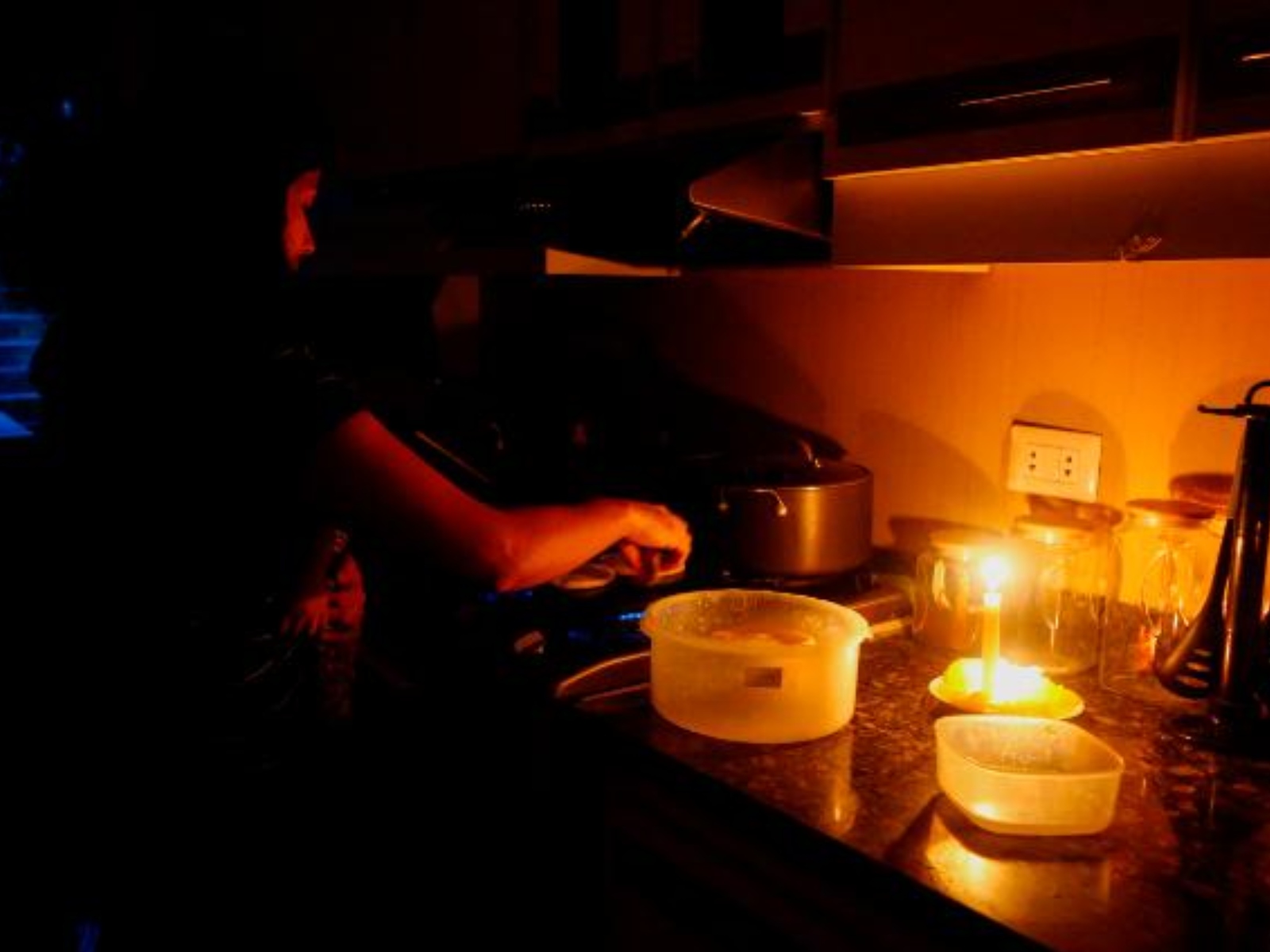
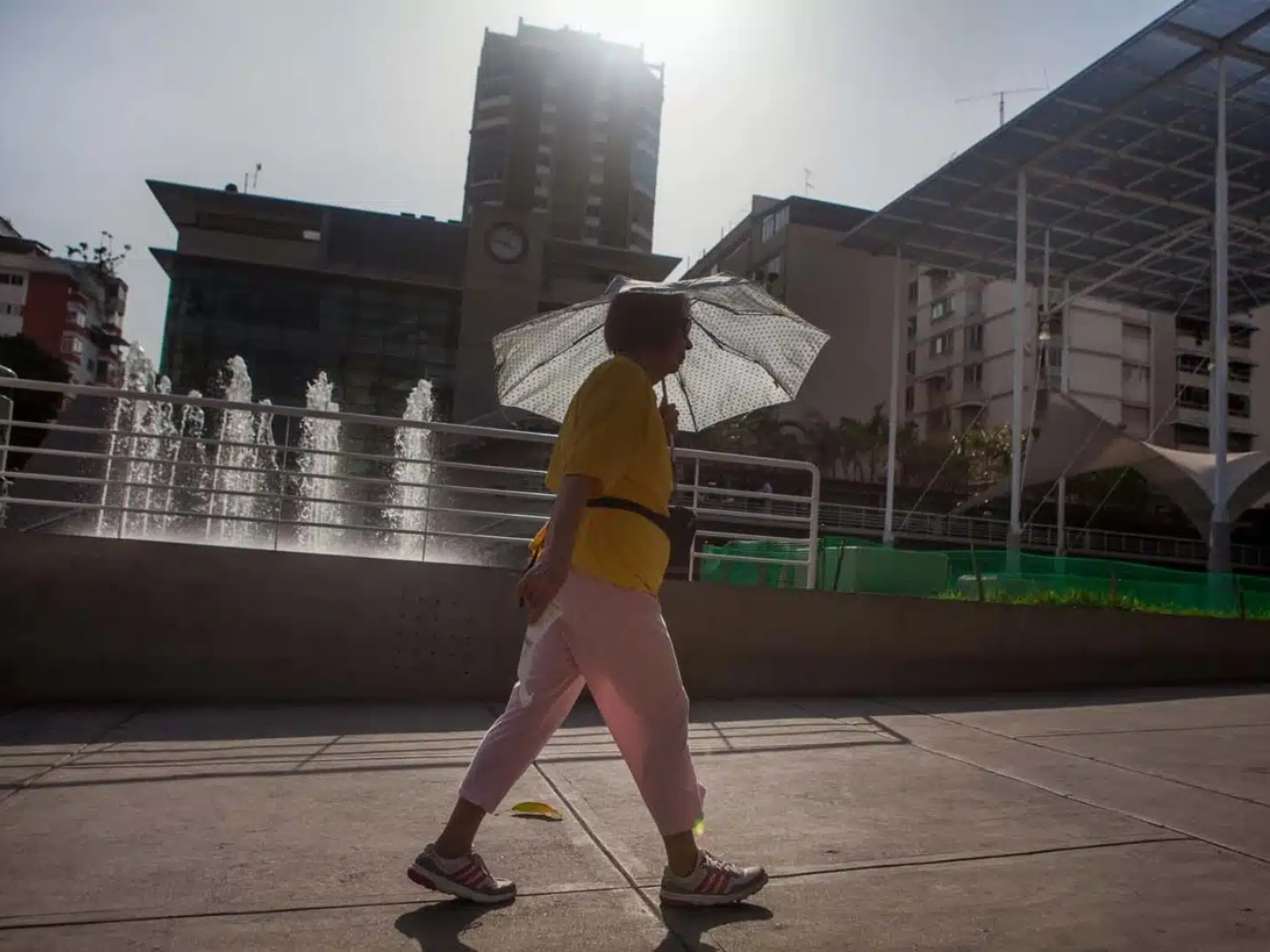
Venezuelan authorities have announced a 45-day National Energy Saving Plan in response to a forecasted spike in temperatures linked to the solar declination phenomenon, which causes the sun’s rays to strike tropical areas more directly. Coverage from both opposition and government-aligned outlets agrees that the plan was presented publicly by acting president and vice president Delcy Rodríguez, is nationwide in scope, and is framed around managing increased electricity demand, particularly for cooling, as temperatures are expected to reach up to around 38°C in some regions during late March and April. Both sides report that the measures include recommendations to set air conditioners to higher temperatures rather than minimum cooling, disconnect non-essential electrical equipment, and take household-level steps to cut consumption, and that these policies are being promoted as temporary, with an initial duration of 45 days. There is also broad agreement that several states, particularly in western and insular regions like Táchira, Nueva Esparta, and Aragua, have experienced recent power outages around the time of the announcement.
Across the spectrum, outlets reference the National Institute of Meteorology and Hydrology (Inameh) as the technical source on rising temperatures, and they acknowledge that the government is citing solar declination, heat waves, and heightened risk of forest fires as environmental drivers of stress on the electrical grid. There is shared recognition that the plan is meant to operate both as a public-awareness campaign and as a short-term demand-management tool layered on top of an already strained electricity system that has suffered recurring service interruptions for years. Both types of coverage note that authorities are linking the energy-saving plan to broader risk-reduction and civil protection strategies, including the use of thermal drones to monitor heat zones and fires, public health guidance to stay hydrated and avoid peak sun exposure, and institutional calls for citizen cooperation. They also concur that the initiative coincides with the appointment of a new Minister of Electric Energy and ongoing debates over how to stabilize and modernize Venezuela’s power infrastructure.
Areas of disagreement
Responsibility and blame. Opposition-aligned outlets tend to frame the 45-day plan as a symptom of chronic mismanagement, arguing that years of underinvestment, corruption, and lack of maintenance—rather than only extreme heat—are the primary causes of blackouts and the need for rationing-like measures. Government-aligned media, by contrast, highlight solar declination, climate-driven temperature spikes, and forest fire risks as the main culprits, and often add U.S. sanctions as a key external factor that has constrained investment and equipment imports. While opposition narratives treat the plan as another ad hoc response that avoids accountability for structural failures, government-aligned coverage presents it as a responsible, preventive action guided by scientific forecasts.
Nature of the measure. In opposition reporting, the initiative is frequently described as de facto rationing or an austerity measure imposed on households and businesses that are already coping with intermittent service, with an emphasis on discomfort, economic disruption, and the absence of clear compensation or long-term fixes. Government-aligned sources instead portray the plan as a patriotic, solidarity-based energy-saving campaign that relies on citizen awareness and voluntary adjustments, stressing that small behavioral changes can protect system stability during a temporary climate peak. Where opposition stories emphasize coercive overtones and fear that the 45-day period will be extended indefinitely, pro-government outlets stress the time-bounded, emergency character of the plan and its reliance on cooperation rather than restrictions.
Assessment of the electricity system. Opposition outlets usually link the plan to a broader narrative of systemic collapse, pointing to frequent outages across multiple states as evidence that the grid is already on the brink and that official explanations underplay infrastructure decay. Government-aligned media acknowledge service interruptions but depict the system as fundamentally functional and stressed primarily by extraordinary climatic conditions and external pressures. As a result, the opposition tends to treat the plan as proof that the model of centralized, state-dominated electricity provision has failed, whereas government-aligned coverage uses it to argue that the system can be preserved and stabilized through targeted savings, technical upgrades, and continued state leadership.
Political framing and public reaction. Opposition coverage often situates the energy-saving plan within a wider critique of the Maduro government, suggesting that the announcement is timed to manage discontent ahead of political milestones and that citizens perceive such calls as repetitive and ineffective. Government-aligned outlets embed the story in a narrative of responsible governance and national unity, highlighting Delcy Rodríguez’s appeals to civic conscience, the role of state institutions and experts, and positive citizen responses or testimonials about collaboration. While opposition narratives stress skepticism, fatigue, and social media criticism, pro-government coverage amplifies official messages of discipline, resilience, and collective effort in the face of climate challenges.
In summary, opposition coverage tends to present the 45-day energy saving plan as evidence of deep structural failure and political evasion of responsibility, while government-aligned coverage tends to cast it as a scientifically grounded, patriotic and temporary collective effort to manage extraordinary climate-driven stress on an otherwise defensible electricity system.