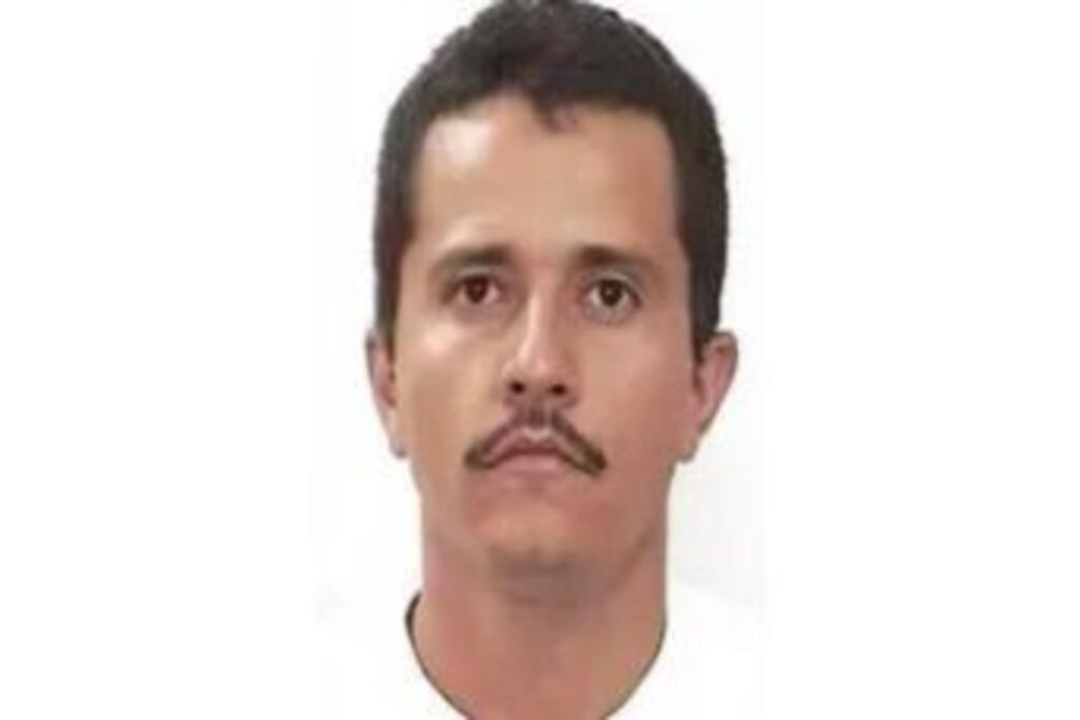
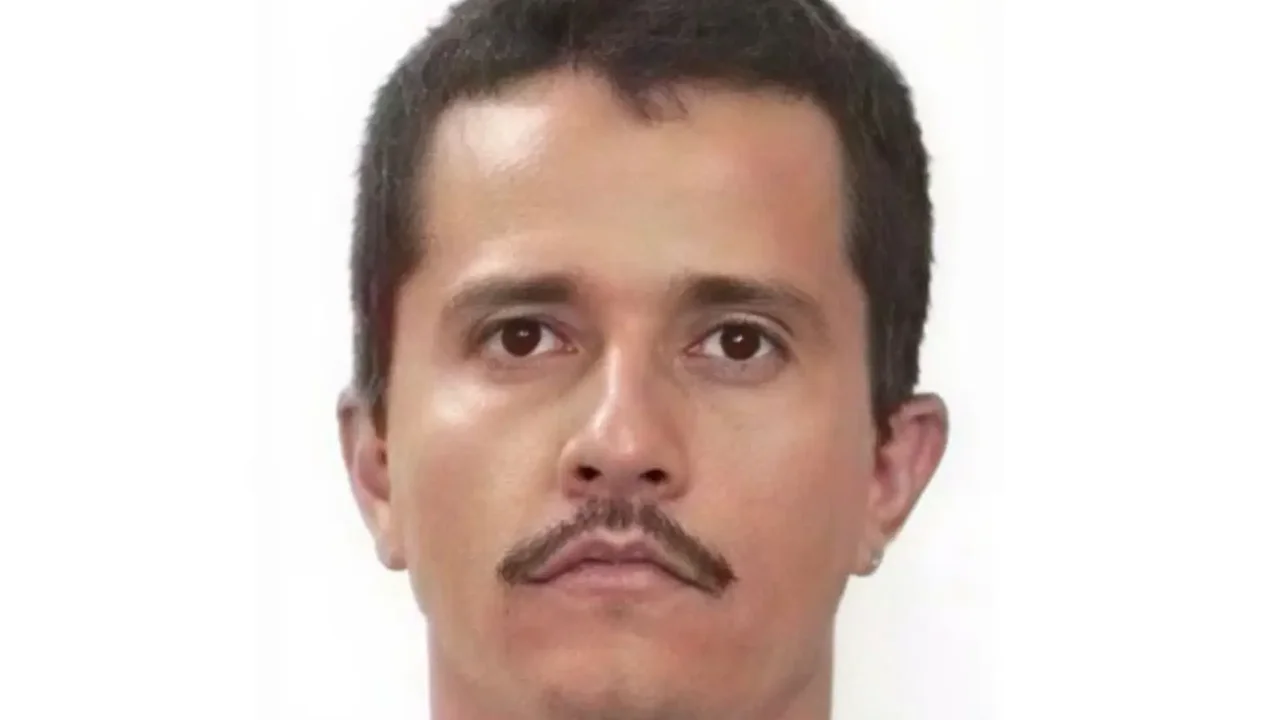
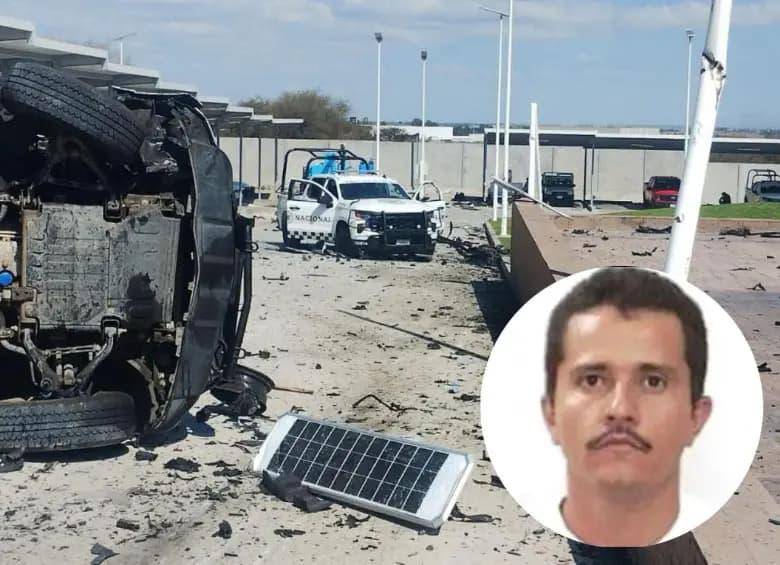
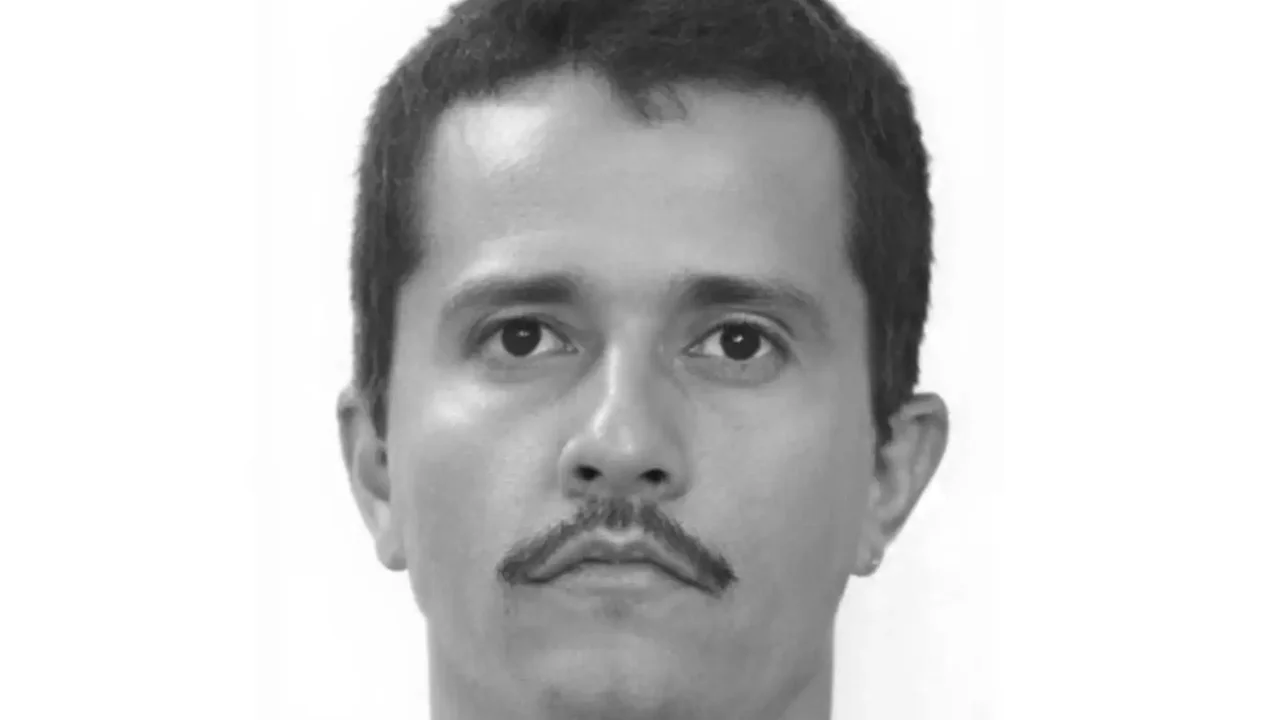
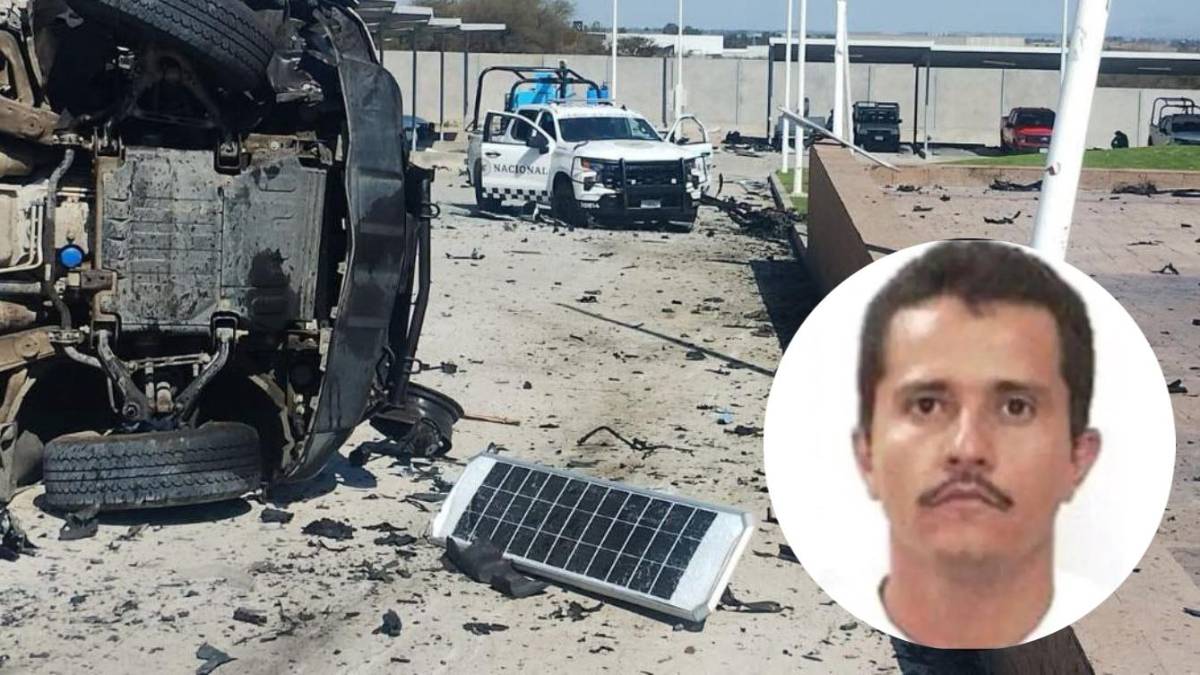
Mexican opposition and government-aligned outlets agree that Nemesio Rubén Oseguera Cervantes, known as El Mencho and leader of the Jalisco Nueva Generación Cartel (CJNG), was killed during a federal military operation in Tapalpa, Jalisco. Both sides report that the operation was led by the Secretariat of National Defense with intelligence and support from U.S. authorities, involved intense armed confrontations, left multiple CJNG members dead (generally put between four and seven), several others arrested or injured, and resulted in at least three wounded soldiers. They also concur that El Mencho had been one of the most wanted drug lords by both Mexico and the United States, subject to multimillion‑dollar rewards, and that his confirmed death follows years of joint security and intelligence efforts against him and the CJNG.
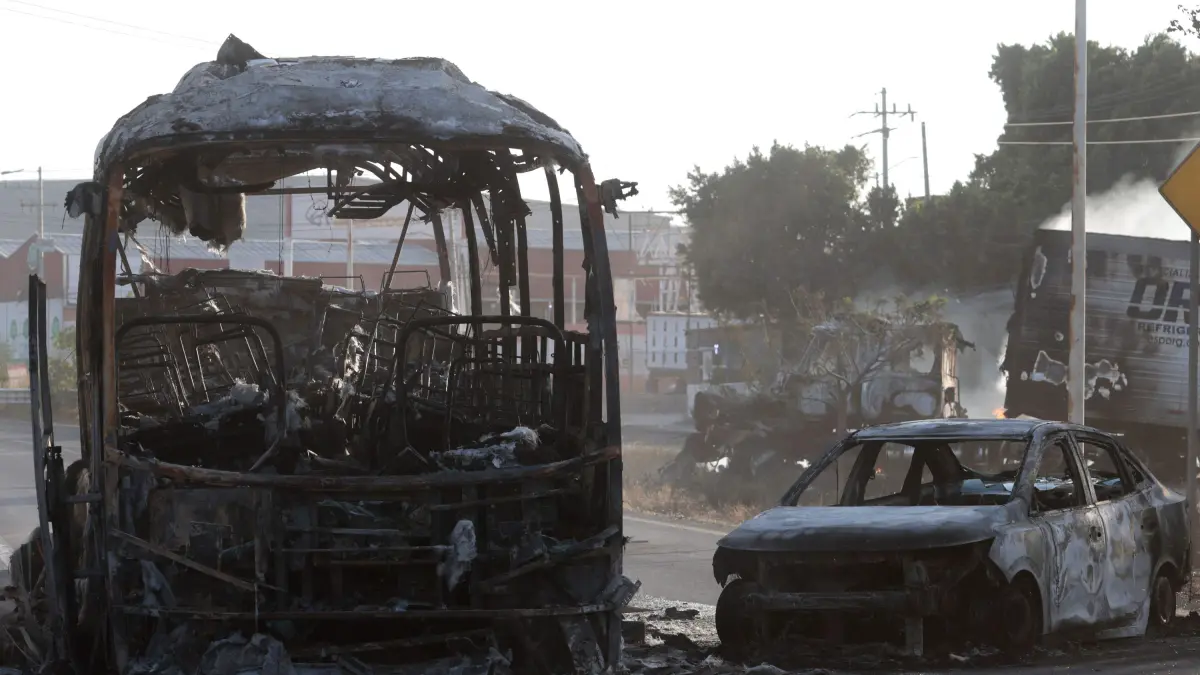
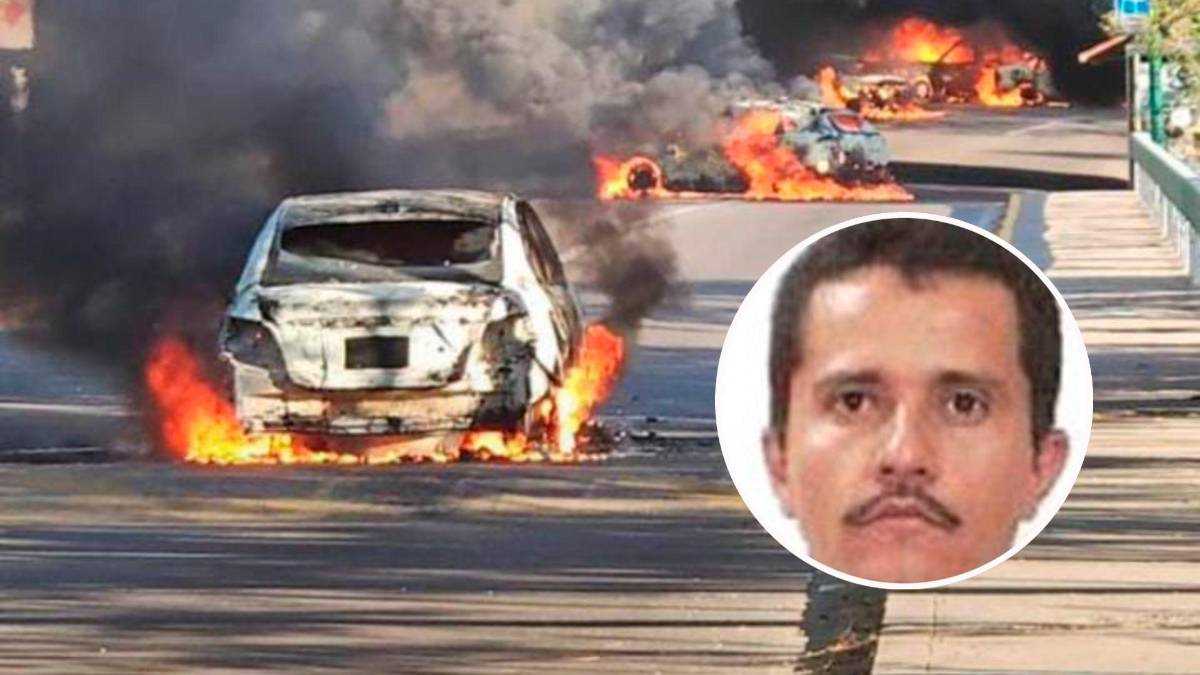
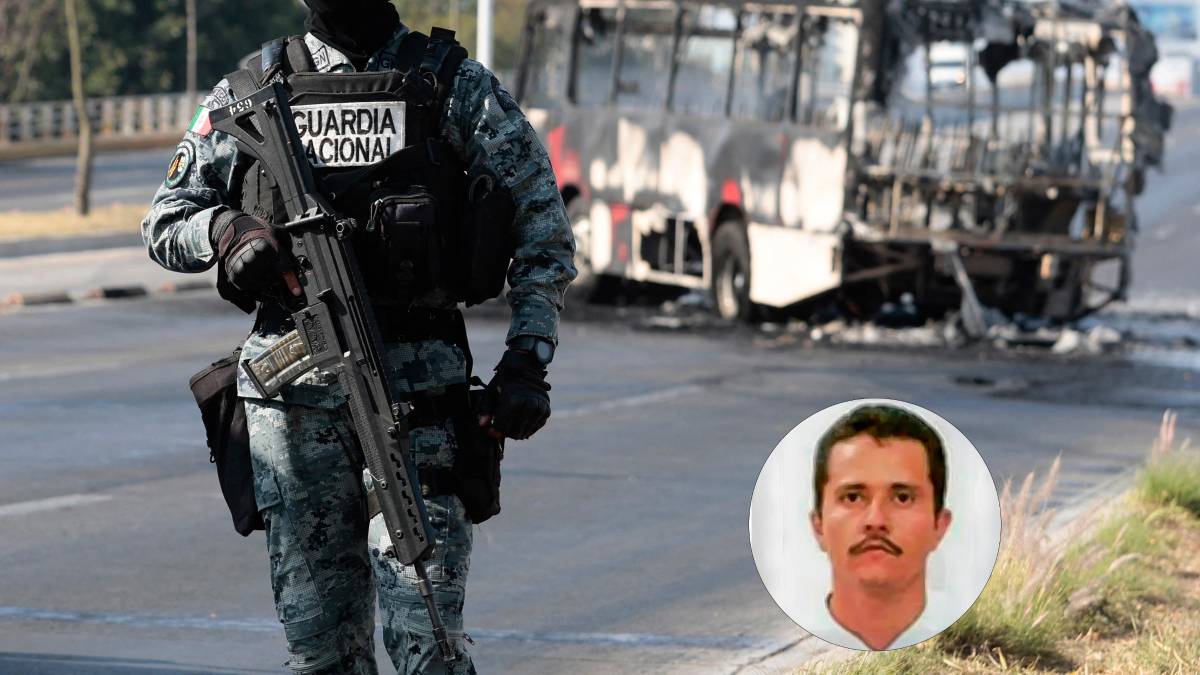
Coverage from both opposition and government-aligned media also converges on broader context: El Mencho is portrayed as a capo who built CJNG into one of Mexico’s most powerful and violent cartels, with national and transnational reach in drug trafficking, extortion, human trafficking, and attacks on authorities. Both emphasize that CJNG had come to symbolize a direct challenge to the Mexican state and that U.S. authorities steadily increased the reward for his capture as the cartel expanded. They similarly describe the immediate aftermath of the operation, noting coordinated blockades, burning of vehicles and businesses, and road closures across Jalisco, Michoacán, and in some accounts other states, prompting security alerts to the population. There is shared recognition that his death marks the end of a long criminal trajectory but not the end of cartel violence, as CJNG retains significant capacity and presence.
Points of Contention
Nature and framing of the operation. Opposition outlets generally depict the action as an extremely violent army offensive that culminated in the killing of El Mencho, stressing the lethal nature of the raid and implying a de facto execution rather than a clean arrest attempt. Government-aligned coverage emphasizes that the mission’s stated objective was to apprehend him, presenting the killing as the outcome of armed resistance during a legitimate security operation. Opposition stories highlight the number of cartel dead and wounded soldiers as evidence of a risky, high-intensity clash, whereas government-aligned reports foreground the professionalism of the armed forces and the seizure of weapons.
Government competence and political implications. Opposition media use the event to question the broader security strategy, underscoring that the need for such a dramatic operation reveals years of failed containment of CJNG and an overall deterioration of public safety. Government-aligned outlets instead frame the killing as proof that current security institutions and the administration’s strategy are effective and capable of dismantling top criminal leadership. In opposition narratives, the episode fits into a pattern of reactive, militarized responses to a country “in flames,” while pro-government narratives present it as a milestone success that strengthens the legitimacy of the current security cabinet and presidency.
US role and international dimension. Opposition sources stress the depth of U.S. involvement, repeatedly referencing American intelligence and long-standing U.S. pressure, suggesting that Washington was pivotal and that Mexico is heavily reliant on foreign assistance to confront major cartels. Government-aligned outlets acknowledge U.S. support but frame it as technical or intelligence cooperation within a sovereign Mexican-led operation, highlighting that Mexican forces executed the raid and made tactical decisions. Opposition coverage tends to use the rising U.S. bounty and the terrorism label to argue that Mexican authorities moved decisively only once international stakes were too high to ignore, whereas government-aligned reports treat those elements as validation of Mexico’s success in neutralizing a globally recognized threat.
Aftermath, public security, and future of CJNG. Opposition media underline the wave of blockades, arson, and paralysed cities as evidence that eliminating a kingpin immediately worsens public security and may fragment CJNG into more chaotic and violent factions. Government-aligned coverage acknowledges the blockades and unrest but frames them as a temporary backlash to a strategic blow from which the state will emerge stronger, describing security measures to restore order and prevent further escalation. While opposition outlets raise doubts about whether the death will reduce violence or simply trigger internal power struggles, government-aligned narratives stress that removing a central leader is a necessary step toward dismantling the cartel over the medium term.
In summary, opposition coverage tends to cast the death of El Mencho as a belated, highly violent and externally pressured operation that exposes structural weaknesses in Mexico’s security strategy, while government-aligned coverage tends to present it as a sovereign, strategically executed success that confirms the effectiveness and resolve of current authorities despite short-term turbulence.