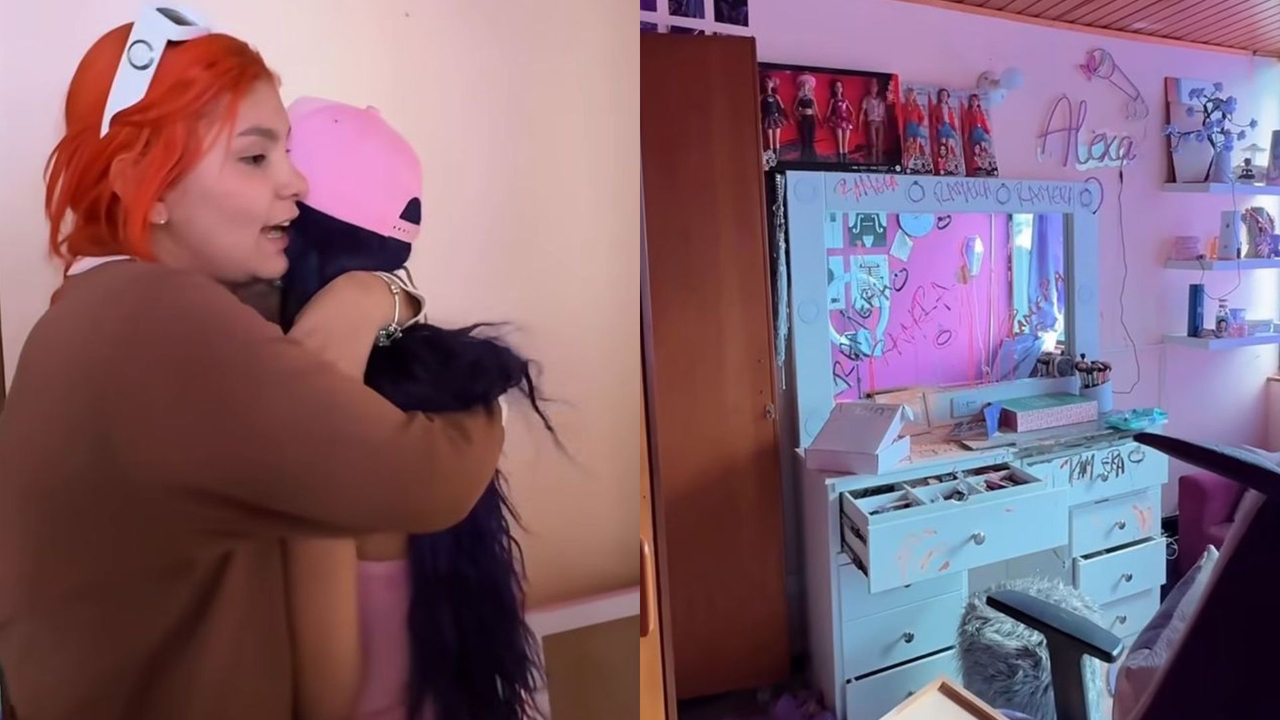
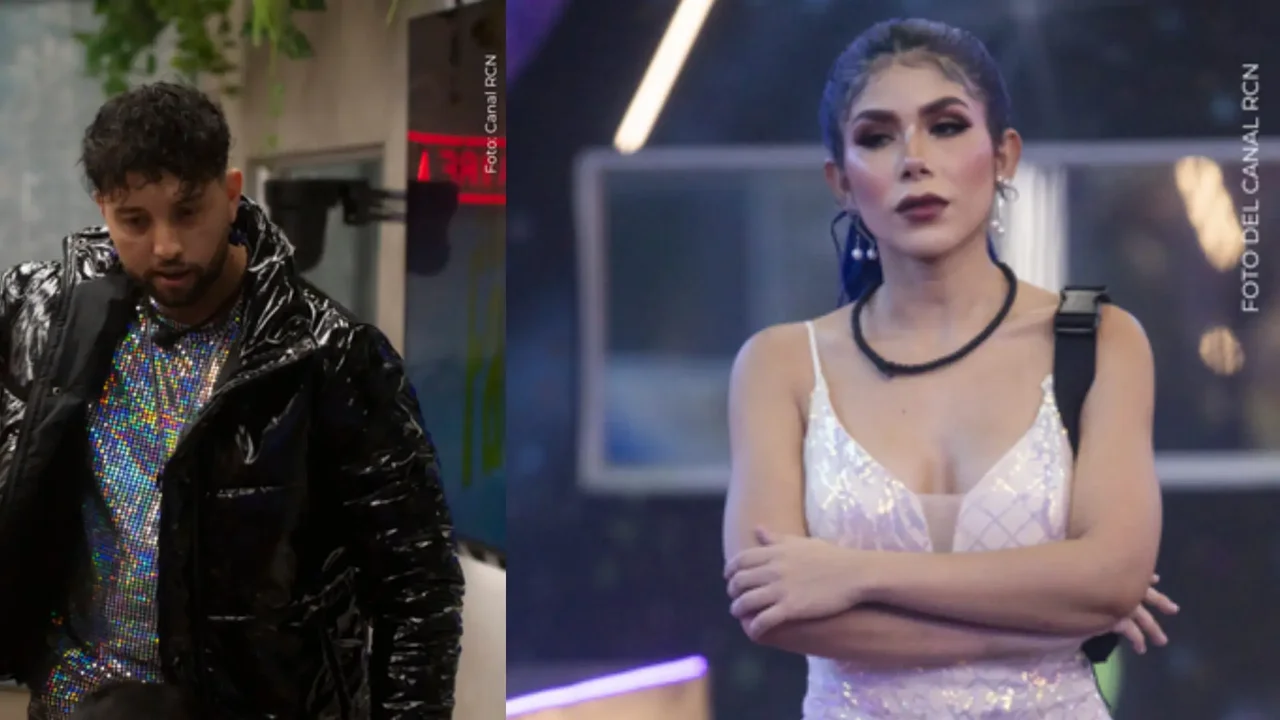
Alexa Torres, former participant of La Casa de los Famosos Colombia, reported returning to her apartment after ending her relationship with Jhorman Toloza to find extensive damage and missing belongings. Across political alignments, outlets agree that makeup products were scattered and destroyed, furniture and personal items were displaced or taken, and offensive or distressing phrases were written on mirrors or walls, which she documented in social media videos. They also concur that following the incident Torres filed a legal complaint, and that Toloza later reappeared on social networks alluding to a fresh start and claiming to be rebuilding his life with new purchases.
Coverage from both sides recognizes that the case is being framed under Colombia’s legal and institutional mechanisms for addressing domestic and gender-based violence, with reports mentioning proceedings for alleged aggravated gender-based and domestic violence against Toloza. There is shared acknowledgment that Torres’ public profile as a reality show personality amplifies the visibility of the case, situating it within broader debates on how media, justice institutions, and social networks respond to complaints of intimate-partner abuse. Both camps also highlight that the process is ongoing, that no final judicial determination has yet been reached, and that the case is emblematic of how public figures can catalyze wider conversations about victim protection and accountability.
Areas of disagreement
Framing of the incident. Opposition outlets tend to emphasize the vandalism as a symptomatic episode of wider systemic failures in protecting women, describing the apartment’s destruction as part of a pattern of intimidation and gender-based violence. Government-aligned outlets, by contrast, foreground the personal breakup narrative and reality-show angle, stressing Torres’ emotional resilience and media trajectory while treating the damage more as a high-impact celebrity story than as structural evidence of institutional malfunction.
Responsibility and legal process. Opposition coverage typically underscores Toloza’s alleged responsibility, foregrounding the charges of aggravated gender-based and domestic violence and questioning whether authorities acted swiftly and robustly enough after Torres’ complaint. Government-aligned reporting, while noting the legal actions, gives greater space to Toloza’s online statements about starting over and being honest, and presents the case in more procedural, neutral terms, avoiding strong language that could imply premature legal culpability.
Institutional performance and state accountability. Opposition sources are inclined to connect Torres’ situation to perceived shortcomings of law enforcement, prosecutors, and gender-violence policies, using the case as a concrete example to argue that victims must expose their stories on social media to be heard. Government-aligned outlets instead highlight that formal legal mechanisms have been activated and portray the institutions as functioning—emphasizing that proceedings are underway and implying that the system is responding appropriately without delving into potential delays or gaps.
Social media and public opinion. Opposition media often interpret Torres’ decision to publicize the damage as a necessary act of self-protection in a context of mistrust toward authorities, framing online support as a counterweight to institutional inertia. Government-aligned coverage, however, treats social media mainly as a stage for both Torres and Toloza to manage their public images, stressing the entertainment and influencer dimensions and downplaying the idea that digital exposure is compensating for systemic institutional weaknesses.
In summary, opposition coverage tends to recast the vandalism of Torres’ apartment as evidence of deeper structural problems in addressing gender-based violence and state accountability, while government-aligned coverage tends to frame it as a high-profile but ultimately individualized case in which formal institutions are presented as functioning and the celebrity narrative is foregrounded.