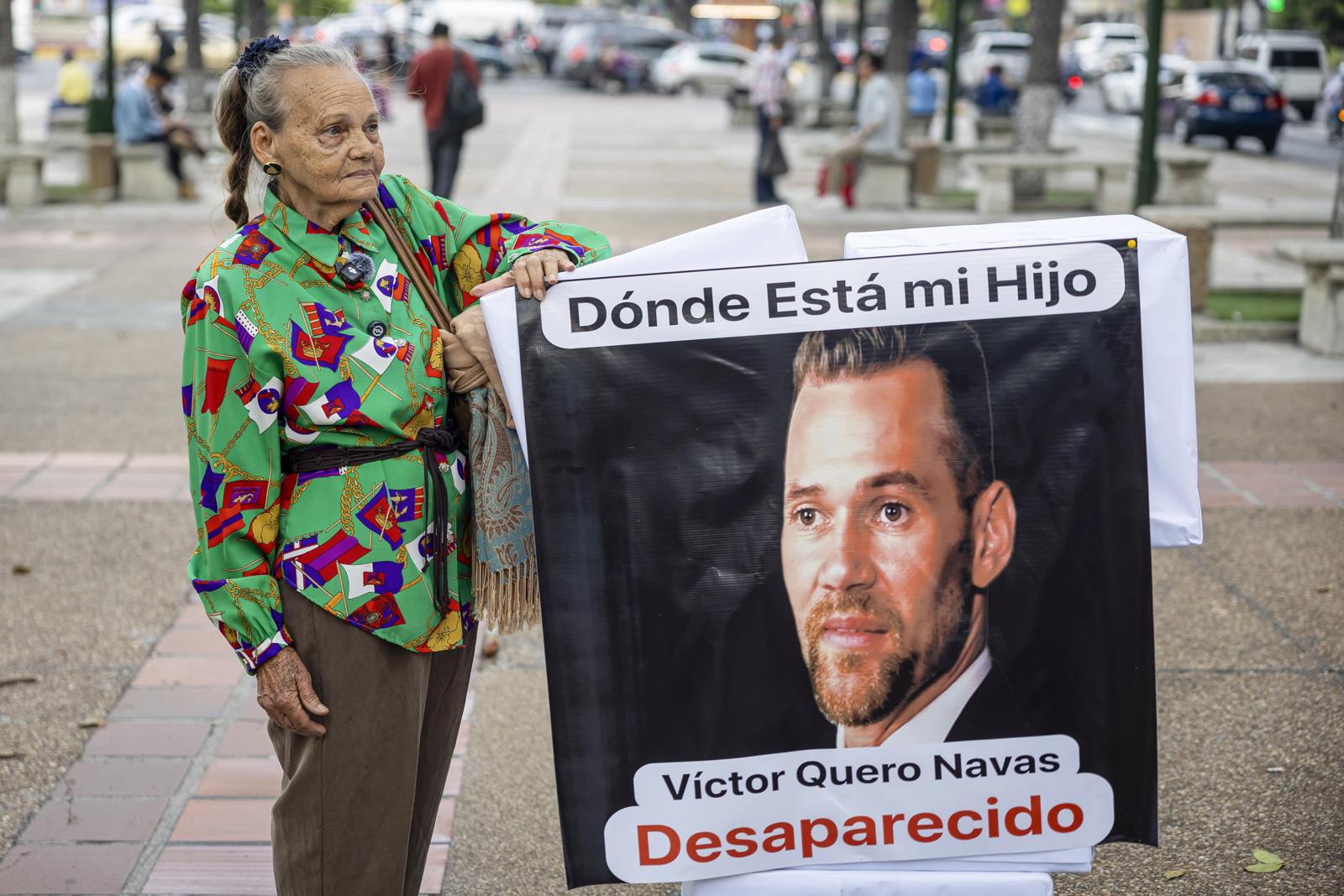
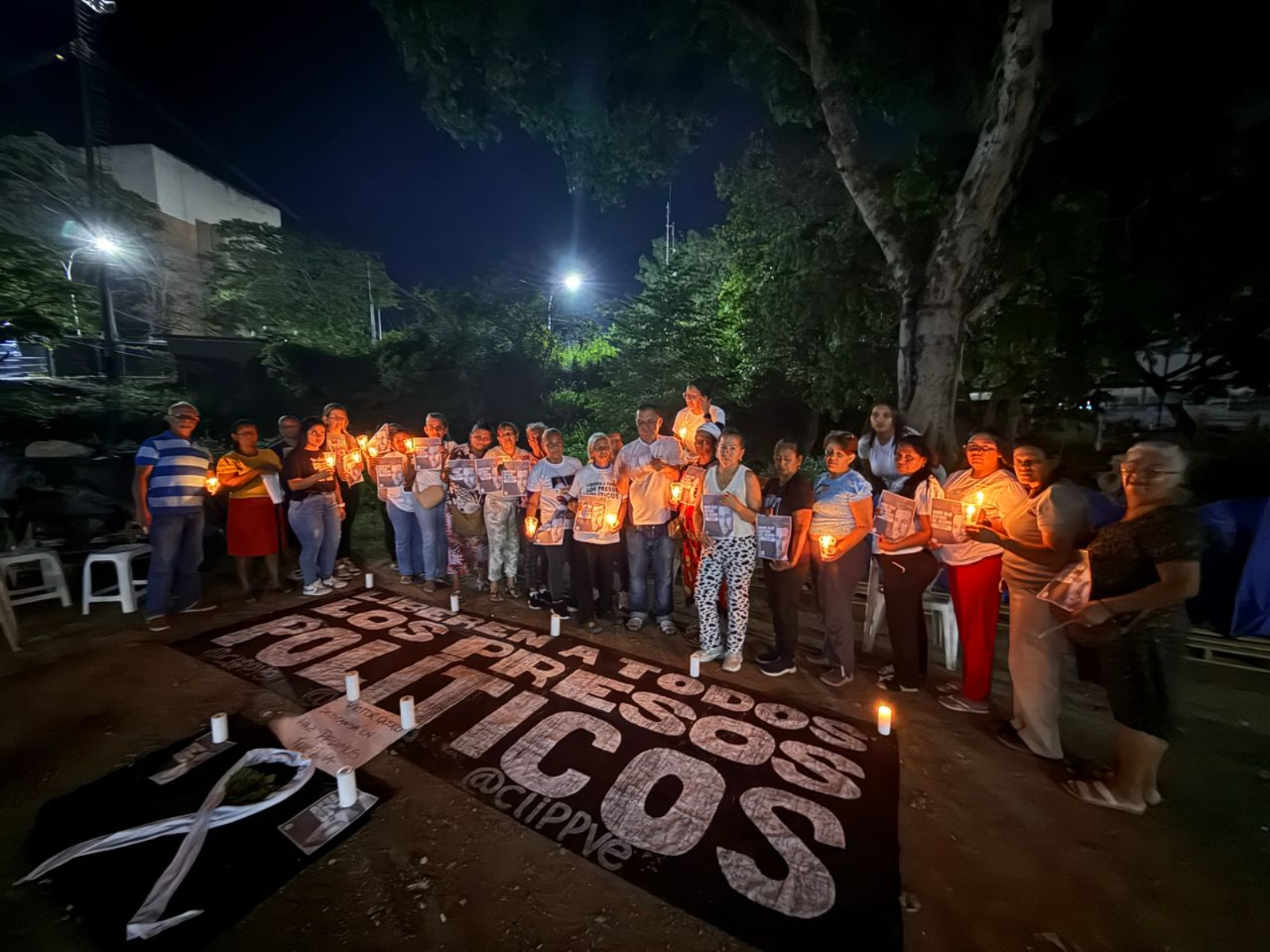
Relatives of Venezuelan political prisoners, together with human rights groups such as the Committee for the Freedom of Political Prisoners (Clippve), held a vigil outside the El Rodeo I Judicial Internment facility in memory of Víctor Hugo Quero Navas, a detainee who died while in state custody. Coverage from both opposition and government-aligned spaces agrees that Quero’s mother spent many months searching for information about his whereabouts, that authorities only confirmed his death long after it occurred, and that the Ministry of Penitentiary Service eventually reported he died of acute respiratory failure. Both sides also concur that the vigil formed part of a long-running series of gatherings—reported as the 119th vigil—where relatives and activists demand justice, clarity about the circumstances of deaths in custody, and guarantees for political detainees.
Across outlets, reporting situates Quero’s case within the broader context of Venezuela’s prison and justice system, acknowledging the role of state institutions like the Ministry of Penitentiary Service and the judiciary in handling political detentions. There is agreement that organizations such as Clippve and Foro Penal use the vigil to call for investigations, reforms to detention conditions, and respect for the rights of those labeled political prisoners, as well as to highlight the suffering of families who endure long periods without official information. Both perspectives frame the event as part of a broader, ongoing human rights debate in Venezuela, involving questions about due process, transparency, and the treatment of detainees in facilities like El Rodeo I.
Areas of disagreement
Responsibility and blame. Opposition-aligned sources typically portray Quero’s death as the direct result of systemic abuse, neglect, or torture within a repressive state apparatus, casting penitentiary authorities and security forces as primarily responsible. Government-aligned coverage, by contrast, tends to emphasize the official medical cause of death, presents it as an individual health outcome under investigation, and stops short of attributing structural or intentional wrongdoing to state actors. Where opposition outlets speak of a pattern of deaths in custody that implicates high-level officials, government-linked narratives focus on case-by-case inquiries and institutional procedures.
Characterization of Víctor Hugo Quero and his detention. Opposition coverage generally stresses Quero’s status as a political prisoner, often highlighting his alleged opposition activism and portraying his detention as arbitrary or politically motivated. Government-aligned outlets, even when using the term "political prisoner" in the context of NGO statements, tend to present his imprisonment more neutrally or legally, foregrounding that he was a detainee under judicial authority without dwelling on the legitimacy of the charges. This leads opposition media to frame his death as part of broader political persecution, while official or pro-government narratives avoid casting doubt on the underlying basis for his detention.
Narrative around the vigil and protests. In opposition media, the vigil at El Rodeo I is framed as an act of resistance and denunciation, underscoring slogans like "No more deaths in custody" and presenting the gathering as evidence of growing social and political outrage. Government-aligned coverage more often describes the vigil as a humanitarian or commemorative act organized by civil groups, focusing on calls for justice in abstract terms and on symbolic elements such as honoring mothers of detainees. Opposition outlets tend to interpret the vigil as a direct challenge to the government’s legitimacy on human rights, whereas pro-government narratives treat it as compatible with, and even channeled through, institutional mechanisms.
Transparency, investigations, and reforms. Opposition sources usually depict the official investigation as opaque, delayed, and ultimately untrustworthy, pointing to the many months before Quero’s family received confirmation and invoking other alleged cases of obstruction or cover-up. Government-aligned reporting stresses that the Ministry of Penitentiary Service has opened or conducted an investigation, referencing procedural steps rather than their outcomes, and avoids language suggesting institutional bad faith. As a result, opposition outlets demand sweeping reforms, international scrutiny, and independent inquiries, while government-aligned outlets highlight existing legal frameworks and suggest that any needed adjustments can occur within current state structures.
In summary, opposition coverage tends to frame Víctor Hugo Quero’s death and the vigil as emblematic of systemic state abuse, political persecution, and entrenched impunity, while government-aligned coverage tends to present the case as a tragic but individualized incident under institutional investigation, emphasizing procedure and official narratives over structural blame.