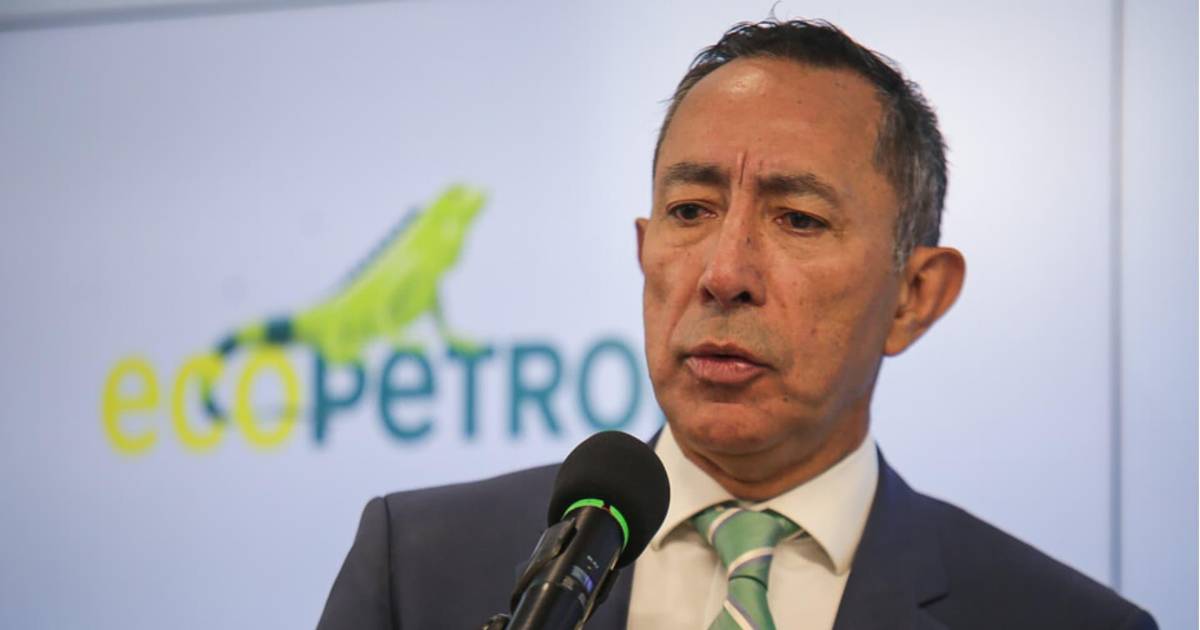
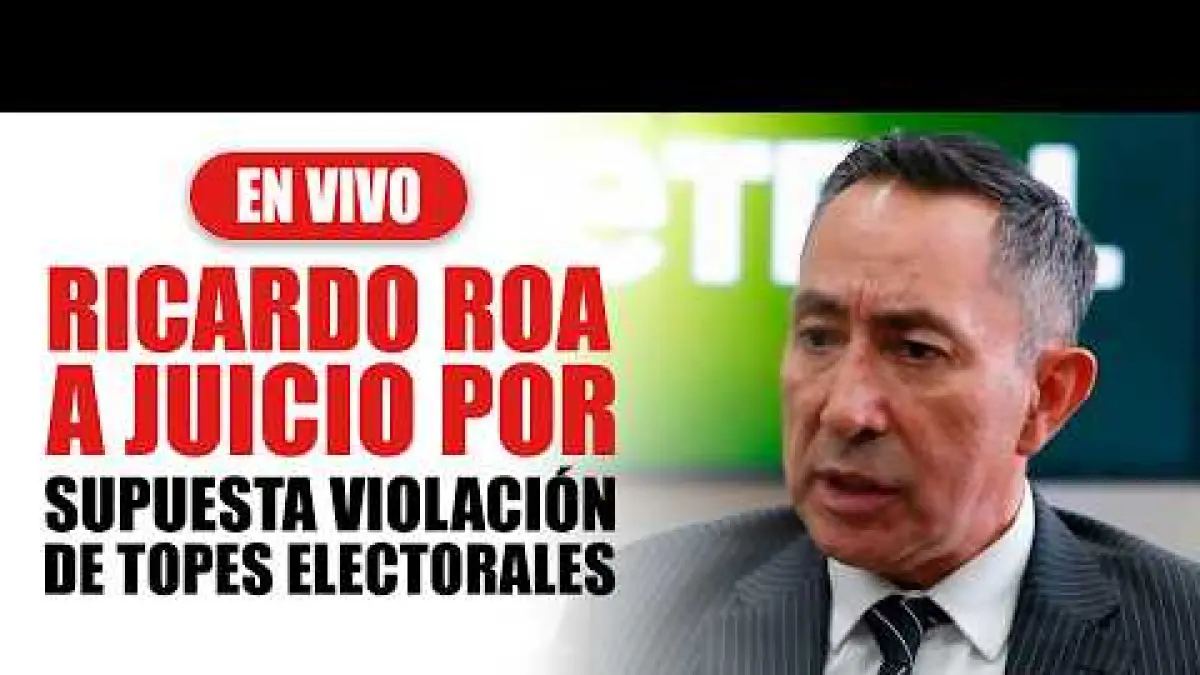
Ricardo Roa Barragán, current president of Ecopetrol and former manager and financial head of Gustavo Petro’s 2022 “Petro Presidente” campaign, has been formally charged by Colombia’s Attorney General’s Office for alleged violations of electoral spending limits in the 2022 presidential election. Both opposition and government-aligned outlets report that prosecutors accuse Roa of allowing the campaign to exceed legal caps and of failing to fully and accurately report expenditures to electoral authorities, covering both the first and second rounds of voting. Figures cited across coverage indicate that spending in the first round allegedly surpassed the legal ceiling by more than 1.3 billion pesos, and that around 1.193 billion pesos in expenses were not reported or only partially reported. All sides agree that this is the first criminal case of this level tied directly to Petro’s winning campaign, that Roa has been summoned to a formal imputation hearing, and that the case could have implications for the legitimacy and oversight of campaign financing in Colombia.
Shared context across outlets emphasizes that Colombian electoral law imposes strict spending caps and reporting requirements on presidential campaigns, with the National Electoral Council and the Prosecutor’s Office responsible for oversight and enforcement. Coverage notes that Petro’s campaign finances had been under prior administrative and investigative scrutiny for possible irregularities and unreported contributions, but that these had not previously led to criminal charges against senior figures. Media on both sides underline Roa’s dual role as a key architect of Petro’s 2022 campaign and as the head of Ecopetrol, highlighting the institutional sensitivity of having the leader of the state oil company facing electoral-crimes accusations. There is broad agreement that the case intersects with wider debates over campaign finance transparency, the reach and timing of prosecutorial power, and possible reforms to improve the traceability and supervision of political funding.
Areas of disagreement
Severity and meaning of the charges. Opposition outlets describe the indictment as evidence of serious and systemic cheating in Petro’s campaign, framing the excess and underreported spending as an illegal advantage that could taint the legitimacy of the 2022 election result. Government-aligned media, while acknowledging the formal charges, tend to present them in more reserved, procedural terms as allegations that must be proven, avoiding language that directly questions Petro’s victory. Opposition reporting often stresses the speed and clarity with which the Prosecutor’s Office acted, reading this as confirmation of the gravity of the evidence, whereas government-aligned coverage downplays dramatic framing and emphasizes due process.
Political implications for Petro and his mandate. Opposition coverage strongly links Roa’s case to President Petro himself, suggesting that if his top campaign operator violated the rules, the president’s mandate is morally and politically weakened, even if legally intact. Government-aligned outlets treat the case as primarily about Roa’s personal legal responsibility, insisting that the institutional validity of Petro’s election remains untouched unless a court finds otherwise and establishes a direct causal impact. While opposition media speculate about potential cascading investigations and broader scandals around the governing coalition, government-aligned reporting focuses on the narrow legal scope of the current indictment.
Characterization of institutions and prosecutorial motives. Opposition sources generally portray the Prosecutor’s Office as finally acting decisively after earlier inertia, presenting the indictment as a long-overdue enforcement of electoral law against those in power. Government-aligned outlets are more likely to suggest, implicitly or explicitly, that prosecutorial timing and communication may be influenced by political tensions with the Petro administration, and therefore frame the process as one that must be watched for potential overreach. In opposition narratives, the prosecutorial move is a corrective to impunity; in government-aligned narratives, it can look like part of an institutional tug-of-war that should not pre-judge guilt.
Impact on Ecopetrol and governance. Opposition media highlight reputational damage to Ecopetrol from having its sitting president under criminal investigation, pressing the idea that Petro placed a politically compromised figure at the helm of a strategic state company. Government-aligned coverage, by contrast, stresses institutional continuity and separates Roa’s judicial situation from Ecopetrol’s operational performance, suggesting that any decisions about his position should wait on legal outcomes. While opposition outlets raise the possibility that the case could destabilize corporate governance and investor confidence, government-aligned sources tend to minimize market risk and treat it as a personal legal issue with limited systemic fallout.
In summary, opposition coverage tends to frame the Roa indictment as proof of deep wrongdoing that delegitimizes Petro’s campaign and exposes broader ethical and institutional failures, while government-aligned coverage tends to treat it as a specific, still-unproven legal case whose political and institutional significance should be kept limited and contingent on judicial findings.