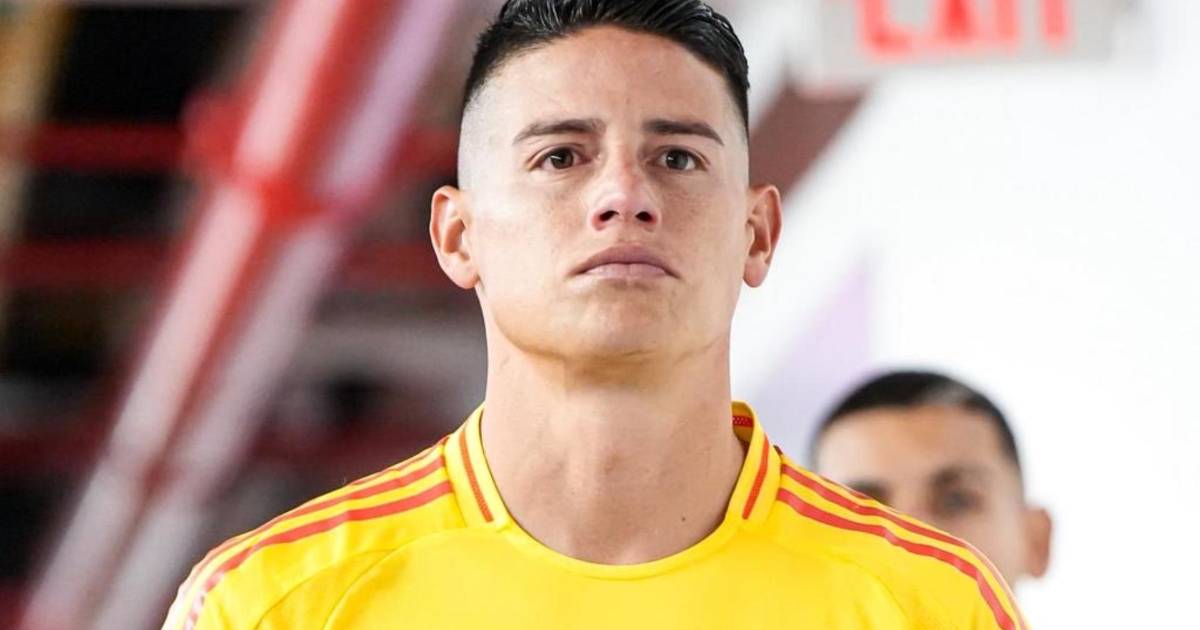
The coverage agrees that Netflix has released the official trailer for a three-episode docuseries about Colombian footballer James Rodríguez, titled “James.” or “JAMES,” directed by Simón Brand and set to premiere on May 21. Both opposition and government-aligned outlets report that the series retraces Rodríguez’s trajectory from his early footballing days through his breakout performance at the 2014 World Cup, his stints with major European clubs, and his return and key role in the Colombian national team, using exclusive footage and testimonials from notable football figures.
Both sides also concur that the docuseries aims to offer an intimate, behind-the-scenes look at Rodríguez’s life beyond the pitch, highlighting his personal doubts, sacrifices, and the pressures of being a national idol. The shared context stresses his symbolic importance for Colombian football, the centrality of the 2014 World Cup to his global recognition, and the idea that the production fits into Netflix’s broader strategy of spotlighting Latin American sports icons through prestige documentary storytelling.
Areas of disagreement
Framing of James’s legacy. Opposition outlets emphasize the docuseries as a reflective moment before what they frame as potentially his last World Cup with Colombia, underlining a sense of closing cycle and unfinished expectations around his career. Government-aligned coverage instead stresses his enduring status as an idol and a national reference point, presenting his story as a continuing source of pride rather than as a career epilogue.
Tone toward controversy and decline. Opposition coverage hints more clearly at the ups and downs of Rodríguez’s club career, implicitly recalling underused seasons, transfers, and criticism that have shaped his public image. Government-aligned sources downplay moments of decline and instead highlight perseverance, sacrifices, and resilience, treating difficulties more as inspirational challenges than as evidence of mismanagement or wasted potential.
Political and symbolic usage. Opposition-aligned media tend to position the documentary as a lens on broader frustrations with how Colombian talent is handled, subtly echoing narratives of systemic mismanagement and volatility that extend beyond football. Government-aligned outlets frame the series largely as a unifying cultural event that showcases Colombia positively on a global platform, aligning Rodríguez’s image with national branding and soft power rather than with institutional critique.
Emphasis on individual vs. institutional narratives. Opposition coverage leans into James’s personal confessions and vulnerabilities to question the structures around him—agents, clubs, and indirectly sporting and national institutions—suggesting that genius has often been poorly supported. Government-aligned coverage foregrounds his individual determination and discipline, portraying him as a self-made figure whose success primarily reflects personal effort and serves as a motivational story sanctioned and amplified by major institutions like Netflix and the national team.
In summary, opposition coverage tends to treat the Netflix docuseries as a bittersweet, introspective look at a star whose story exposes deeper structural and generational anxieties in Colombian football, while government-aligned coverage tends to celebrate it as a polished, uplifting portrait of a national hero that reinforces pride, unity, and Colombia’s positive image abroad.