opposition
Is Anybody Out There? Pentagon Releases Secret UFO Documents
The Pentagon announced Friday the publication of a series of secret documents on UFOs, a topic that excites many Americans, includ...
2 days ago
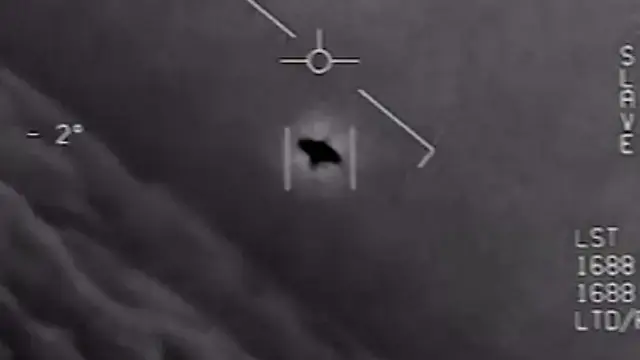
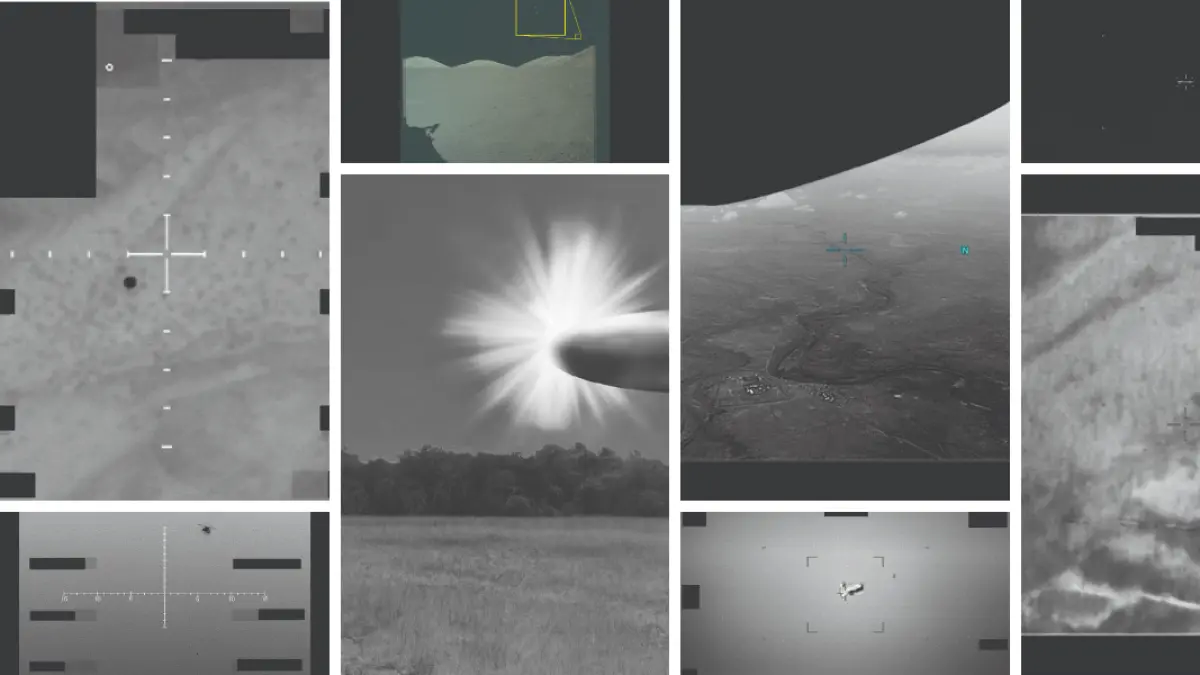
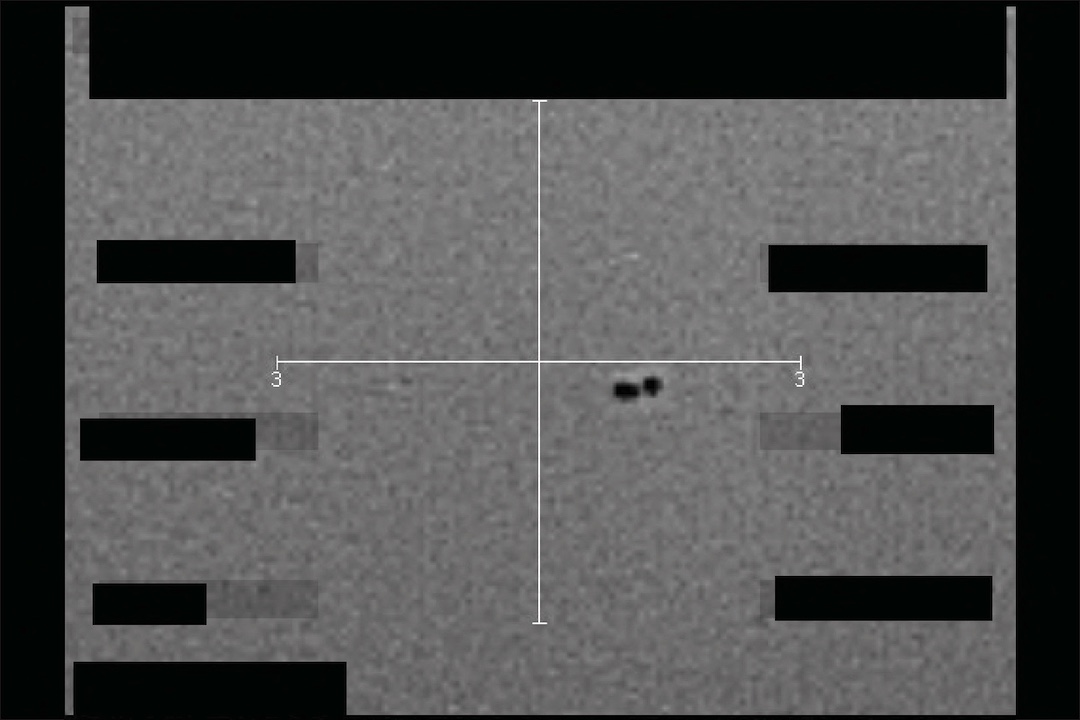
The Pentagon has released more than 160 declassified documents on unidentified flying objects, now officially termed unidentified anomalous phenomena, many of which date back to the 1940s and describe “flying saucers,” unusual aircraft shapes, and strange aerial movements. Both opposition and government‑aligned outlets agree that this release followed a request made during Donald Trump’s presidency, that all documents were vetted through security review before publication, and that the public can now freely access these files as part of a broader transparency drive. They also concur that the newly published material covers both historical Cold War–era sightings and more recent incidents, and that the files include witness reports, internal memoranda, and analytical summaries produced by US defense and intelligence bodies.
Coverage across both camps notes that this disclosure occurs amid heightened public interest in UFOs and in response to long‑standing pressure for greater openness from Congress, the media, and advocacy groups. Both sides acknowledge that the Pentagon and related institutions have rebranded “UFOs” as “UAPs” or “unidentified anomalous phenomena” to standardize terminology and reduce sensationalism, and that a 2024 assessment concluded there is no confirmed evidence of alien technology in the declassified cache, with many cases likely explained by aircraft, balloons, drones, or sensor artifacts. Government bodies such as the Pentagon and the newly formalized transparency frameworks, including initiatives like PURSUE, are portrayed by all outlets as central vehicles for managing, reviewing, and gradually releasing this material to the public.
Significance of the release. Opposition outlets frame the declassification as a dramatic unveiling of long‑suppressed secrets, highlighting the age of some documents and their vivid, even fantastical descriptions to suggest the state has been sitting on potentially explosive information for decades. Government‑aligned coverage instead presents the release as a routine, structured step in an ongoing transparency policy, emphasizing process, legal compliance, and incremental disclosure. While opposition narratives stress how unusual it is for the Pentagon to open its archives in this way, government‑aligned reporting normalizes the move as part of a professional modernization and accountability effort.
Implications for extraterrestrial life. Opposition sources lean into the mystery, drawing attention to colorful eyewitness accounts and allusions to science‑fiction imagery, and invoking past remarks by presidents to keep the possibility of extraterrestrial visitation open as an unresolved question. Government‑aligned outlets foreground the 2024 report’s finding that no alien technology has been identified, stressing prosaic explanations such as misidentified aircraft or atmospheric effects and portraying alien hypotheses as speculative. As a result, opposition coverage tends to leave the door visibly ajar for extraordinary conclusions, while government‑aligned coverage insists that, so far, nothing in the files overturns conventional scientific understanding.
Trust in institutions and motives. Opposition reporting subtly questions why the Pentagon waited so long to disclose these materials, implying that the release may be a selective, politically timed response to public pressure rather than full transparency. It hints that past secrecy and rebranding from “UFO” to more technocratic language were partly attempts to manage public perception and downplay earlier anomalies. Government‑aligned outlets, by contrast, attribute the delay to necessary security vetting and analytical work, presenting the new terminology and initiatives like PURSUE as evidence of institutional reform and a sincere desire to inform citizens without compromising national defense.
Framing of public and political pressure. Opposition sources emphasize the role of presidents, public curiosity, and media campaigns in forcing the Pentagon’s hand, portraying the release as a victory for skeptics of official secrecy and for those who suspect the government knows more than it admits. Government‑aligned coverage acknowledges political requests but stresses internal Pentagon and legislative processes, depicting the move as a proactive measure to improve public confidence and align with transparency laws rather than as a reluctant concession. In this telling, citizen interest is important but ultimately channeled and managed through orderly bureaucratic reforms rather than adversarial confrontation.
In summary, opposition coverage tends to cast the UFO file release as a belated and partial unsealing of long‑guarded mysteries that keeps alive the allure of possible extraterrestrial contact, while government-aligned coverage tends to portray it as a methodical transparency initiative that largely demystifies sightings and reaffirms institutional control over how anomalous phenomena are investigated and explained.