opposition
Is Anybody Out There? Pentagon Releases Secret UFO Documents
The Pentagon announced Friday the publication of a series of secret documents on UFOs, a topic that excites many Americans, includ...
2 days ago
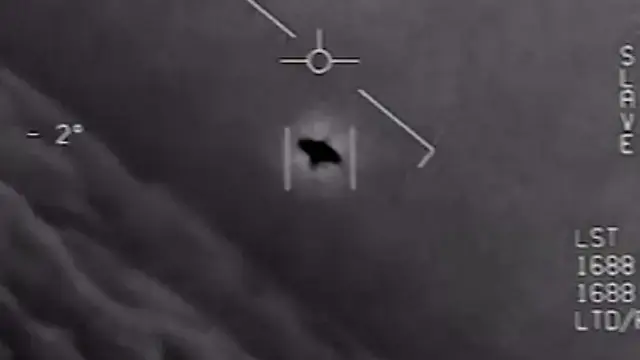
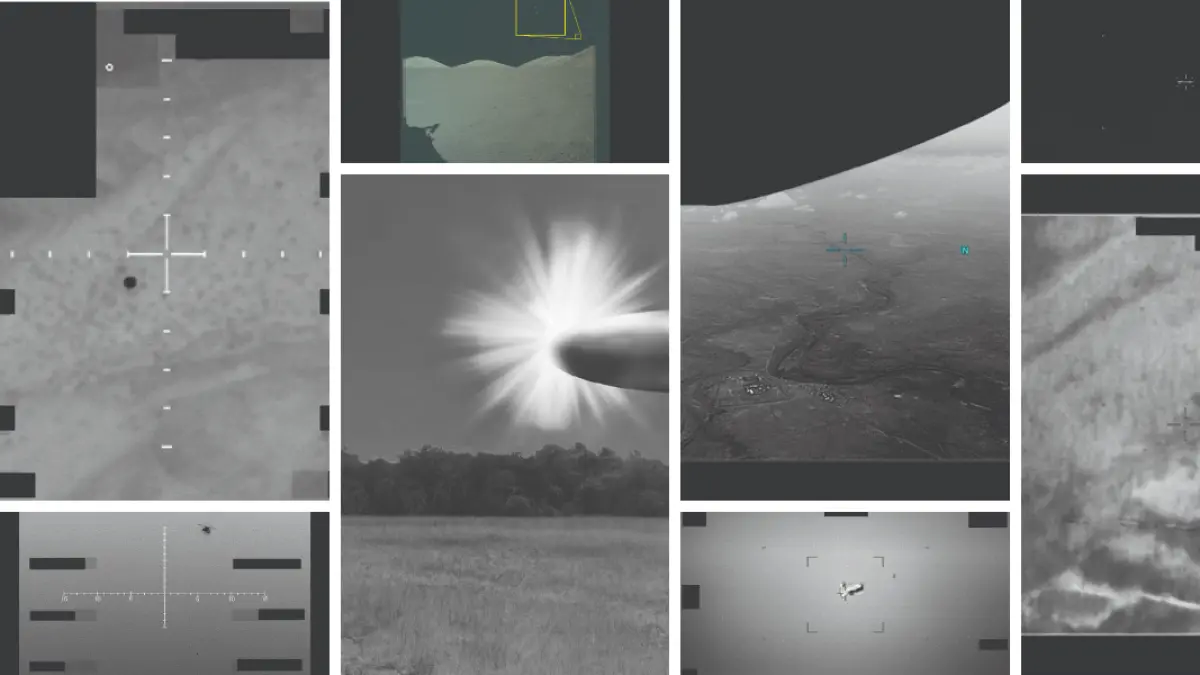
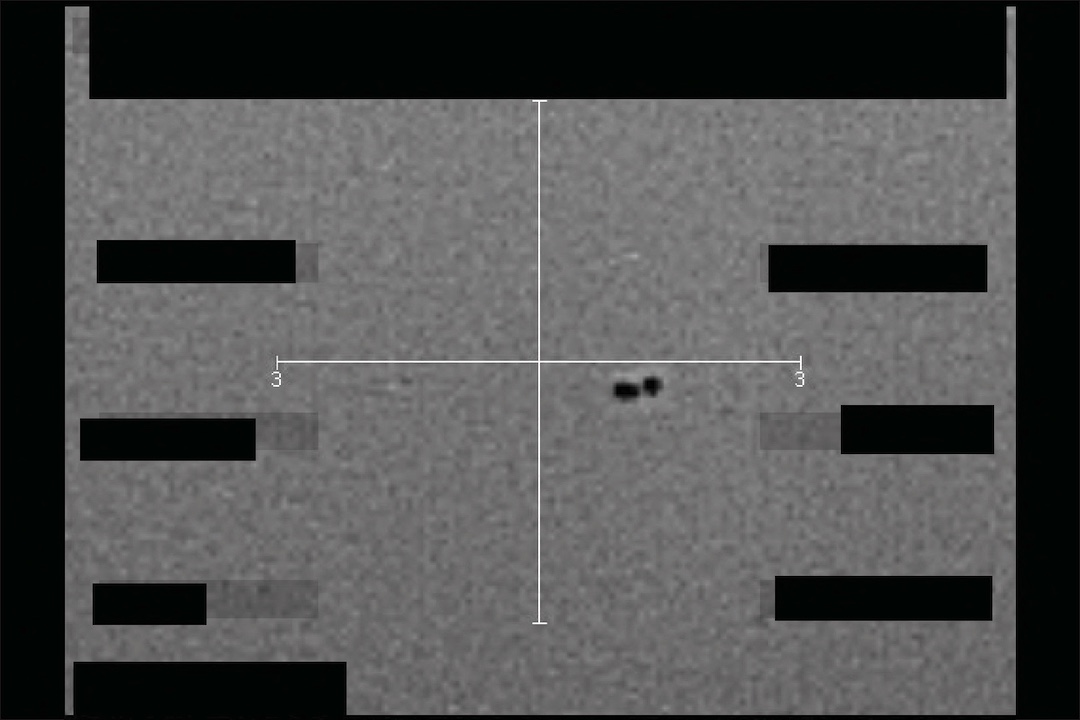
The Pentagon has declassified and released more than 160 official files on UFOs, or what are now formally called unidentified anomalous phenomena, with some documents dating back to the 1940s. Both opposition and government‑aligned outlets agree that this disclosure follows a request made during the Trump presidency, that the files include reports of “flying saucers,” “unidentified aircraft,” and strange aerial phenomena, and that the newly available material has passed through official security review before being made accessible to the public.
Across coverage, there is agreement that these releases are part of a broader institutional push for transparency on unexplained aerial events, now overseen by the Pentagon and associated offices. Both sides reference past presidential comments, including those by Barack Obama and Donald Trump, as part of a long‑running public curiosity about UFOs, and they concur that the latest official assessments—including a 2024 report—state there is no confirmed evidence of alien technology or intelligent extraterrestrial contact in the declassified material, with many cases attributed or likely attributable to conventional causes.
Motives and transparency. Opposition outlets portray the declassification as a reluctant response to mounting public pressure and presidential prodding, suggesting the Pentagon is still holding back crucial information and may be managing perceptions. Government‑aligned coverage frames the move as a proactive step under initiatives like PURSUE, emphasizing a commitment to “total transparency” and institutional reform in how UAP data are handled. Where opposition reports hint that the timing and selectivity of the release may be politically calculated, government‑aligned sources stress methodical security review and responsible disclosure as evidence of good‑faith openness.
Framing of extraterrestrial possibility. Opposition coverage highlights the mystery and speculative elements in the files, invoking pop‑culture comparisons and earlier presidential remarks to keep the question of extraterrestrial life prominently open. Government‑aligned outlets foreground the official 2024 assessment that found no evidence of alien technology, repeatedly underscoring that many sightings likely involve conventional objects or misidentifications. As a result, opposition sources treat the absence of proof as an open and possibly temporary gap in knowledge, while government‑aligned sources present it as a strong indicator that extraordinary claims remain unsubstantiated.
Interpretation of the documents’ significance. Opposition media tend to read the 160‑plus documents as only the visible portion of a much larger and still obscure archive, implying that deeper, potentially more explosive material may remain classified. Government‑aligned outlets instead cast these same documents as a foundational dataset for public scrutiny and scientific analysis, downplaying any suggestion of vast hidden troves. In opposition narratives the release is framed as a crack in a longstanding wall of secrecy, whereas government‑aligned narratives frame it as a milestone in an orderly transparency process.
Characterization of institutional behavior. Opposition sources portray the Pentagon and related agencies as historically secretive and somewhat reactive, invoking decades of unexplained reports to argue that officialdom has often lagged behind citizen witnesses and independent researchers. Government‑aligned coverage describes the same institutions as evolving and reform‑minded, emphasizing standardized investigative procedures, new terminology like “unidentified anomalous phenomena,” and structured programs as evidence of modernization. Where opposition articles stress continuity with past opacity and dismissive attitudes, government‑aligned reports stress change, professionalization, and the normalization of UAP study within existing defense frameworks.
In summary, opposition coverage tends to emphasize lingering secrecy, speculative possibilities, and institutional reluctance, while government-aligned coverage tends to stress controlled transparency, methodological skepticism about alien explanations, and confidence in ongoing official reforms.