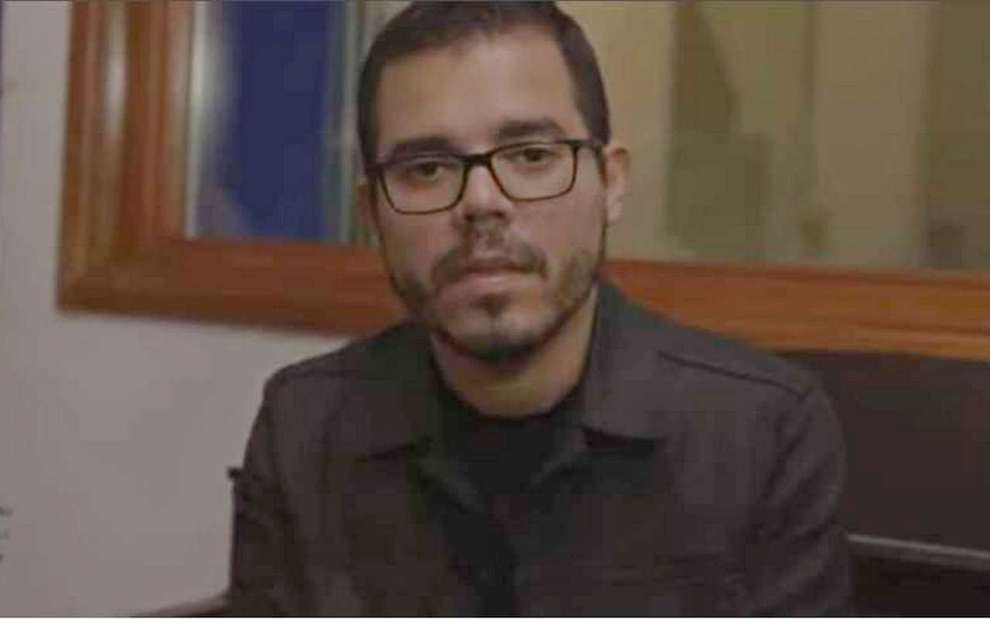
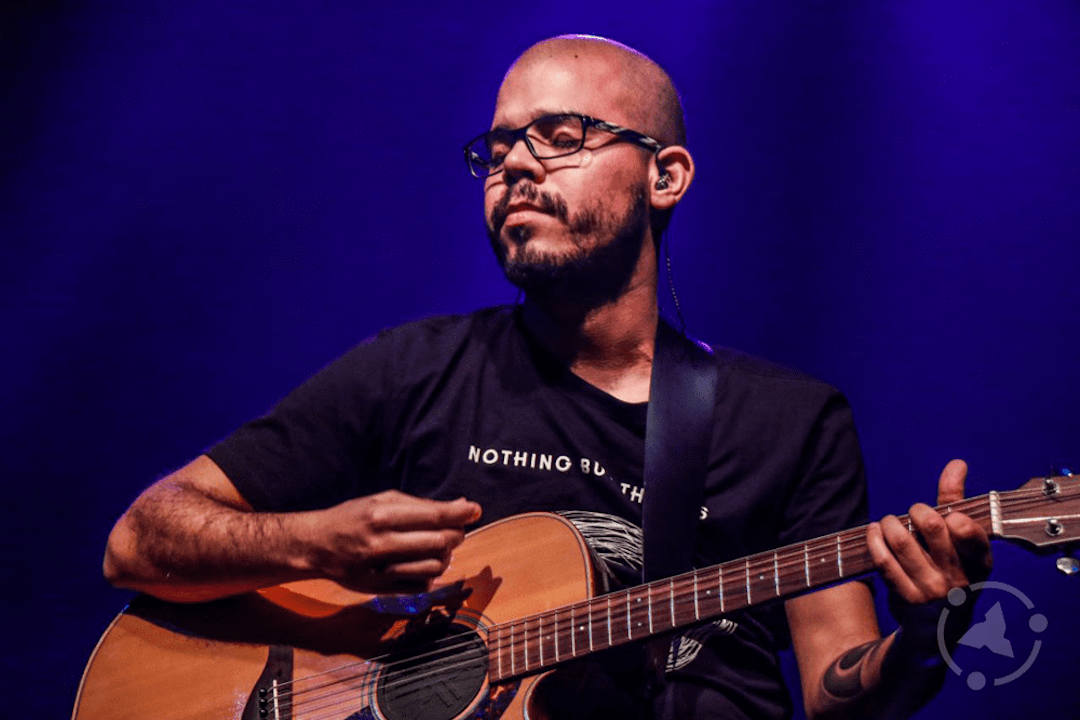
Juan Carlos Ortega Murillo, son of Nicaraguan presidential couple Daniel Ortega and Rosario Murillo, published a poem titled “Inhabitable” on Instagram that portrays a second person who is “sinking,” “destroying everything,” and generating fear, destruction, and decay. Both opposition and government-aligned coverage agree the text appears to be directed at his mother, Rosario Murillo, highlight lines questioning “the value of blood,” and frame it as a rare public expression of internal tension within the ruling family, linked to Juan Carlos’s personal and political estrangement from the presidential inner circle.
Both sides also concur that the poem emerges against a backdrop of longstanding concentration of power by Daniel Ortega and Rosario Murillo, a tightly controlled governing apparatus, and a family-centered regime that normally keeps internal disputes out of public view. They note that the appearance of this poem follows Juan Carlos’s low-profile or absence at key Sandinista events, coincides with renewed public activity by his wife Xiomara Blandino after a period of silence, and comes amid reports that family and political frictions have reduced his influence within state- and party-controlled media and decision-making structures.
Areas of disagreement
Significance of the poem. Opposition outlets portray the text as an open rupture within the Ortega-Murillo clan, suggesting it is a powerful, even historic, act of defiance against an authoritarian matriarch whose decisions are “destroying everything” in the country and within the family. Government-aligned coverage, while acknowledging its critical tone, tends to downplay it as an “enigmatic message” and personal outburst with limited political weight, framing it more as a family drama than a systemic challenge. Opposition sources stress the poem as evidence of cracks in the regime, whereas pro-government narratives present it as a contained episode without broader implications.
Target and meaning. Opposition media strongly assert that the poem is clearly aimed at Rosario Murillo, reading specific phrases as unmistakable political and moral accusations against her leadership and style of governance. Government-aligned reports are more cautious, using speculative language about whom it is “apparently directed” to and emphasizing ambiguity in the verses, suggesting alternative readings as a general expression of disillusionment. While both acknowledge that Murillo is the likely referent, opposition coverage leans into a direct, accusatory interpretation, whereas government-leaning pieces emphasize uncertainty and metaphor.
Political context and blame. Opposition sources embed the poem in a narrative of state repression, dynastic authoritarianism, and internal decay of the Sandinista project, arguing that Juan Carlos’s words mirror broader social grievances against the government’s abuses and concentration of power. Government-aligned outlets, by contrast, largely detach the poem from the wider human-rights and political crisis, treating it as a reflection of Juan Carlos’s personal frustrations, marginalization, and possible marital conflicts rather than of national suffering. The opposition thus uses the poem to reinforce blame on the ruling couple for the country’s deterioration, while government-aligned narratives individualize the problem around Juan Carlos himself.
Status of Juan Carlos within the regime. Opposition coverage emphasizes his recent absence from symbolic Sandinista commemorations and alleged restrictions imposed by Murillo, interpreting these as punitive measures against dissent and proof of an increasingly paranoid inner circle. Government-aligned reporting mentions his reduced influence and distance from decision-making but presents this as a pragmatic internal reconfiguration, possibly related to his handling of family and media matters, rather than a dramatic purge. Opposition outlets describe a sidelined son bravely speaking out against an oppressive mother, while government-friendly sources depict a once-influential figure whose role has naturally diminished amid shifting family dynamics.
In summary, opposition coverage tends to treat the poem as a clear, politically loaded act of rebellion that exposes deep fractures in an authoritarian family-state, while government-aligned coverage tends to frame it as an ambiguous, personal expression from a sidelined son that has limited bearing on the regime’s overall stability.