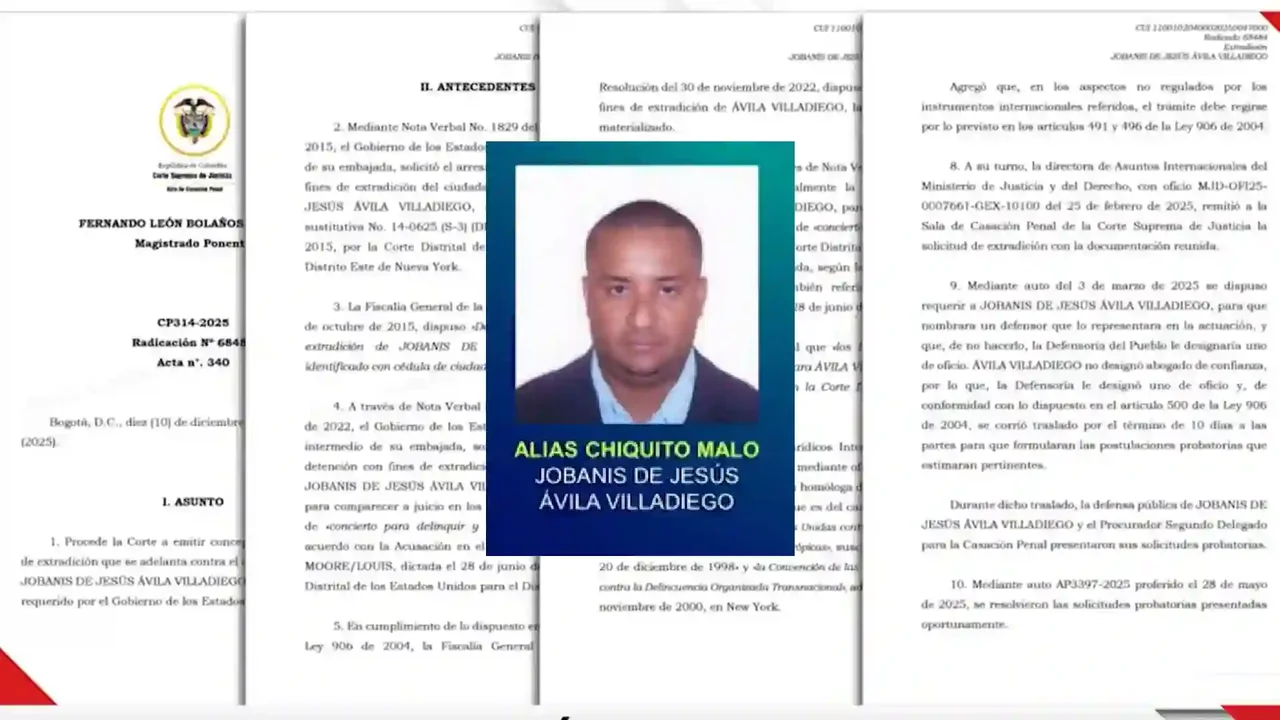
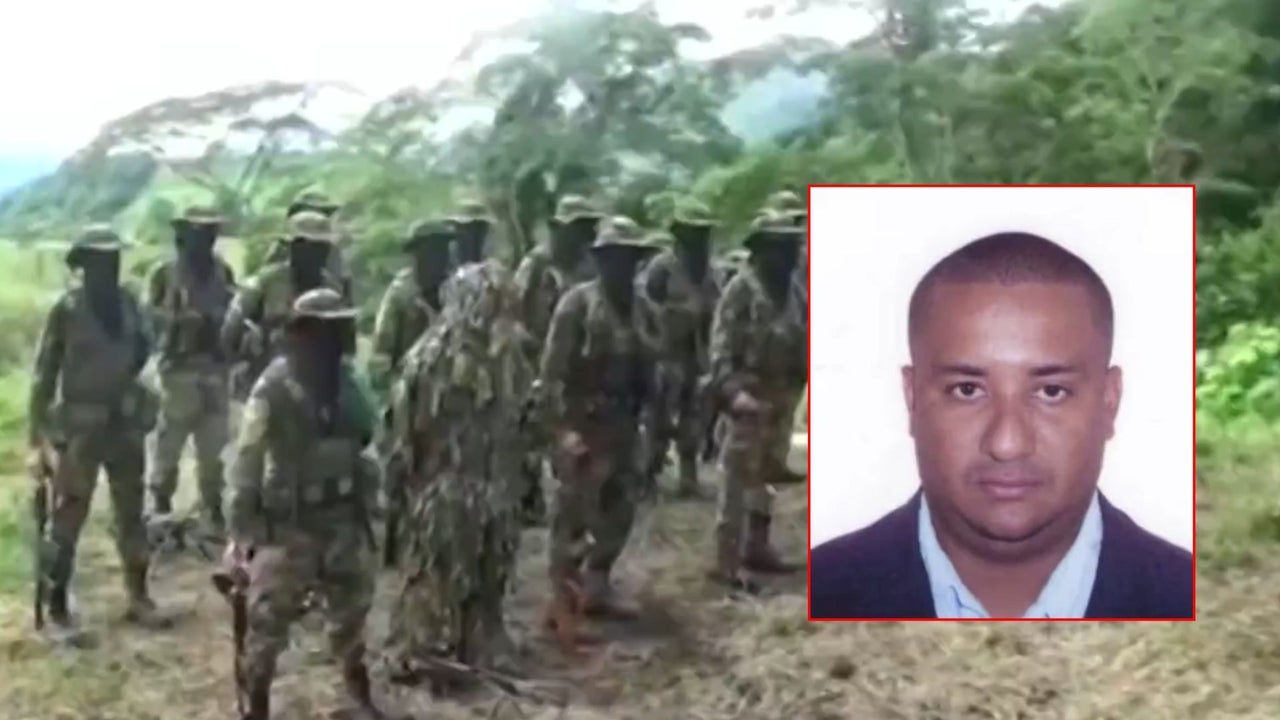
Colombian media from both camps report that President Gustavo Petro formally asked the Attorney General’s Office to suspend arrest warrants for 29 members of the Clan del Golfo, including its top leader Giovanni de Jesús Ávila Villadiego, known as alias Chiquito Malo. They agree that this move is presented by the government as a step to enable or advance peace negotiations with the powerful criminal organization, that the request is not self‑executing, and that the ultimate decision lies with Prosecutor General Luz Adriana Camargo, who must accept or reject it under existing legal procedures.
Coverage also converges on the broader institutional and political context: the measure is framed within Colombia’s long-standing use of negotiated demobilizations and transitional mechanisms to dismantle armed and criminal structures, and it comes late in Petro’s term, with only a few months remaining. Both sides note that the Clan del Golfo has extensive territorial control and is deeply involved in drug trafficking and violence, that Chiquito Malo is sought for extradition by the United States on serious charges, and that any suspension of warrants raises questions about the limits of the peace manager figure, the balance between peace efforts and victims’ rights, and the role of the Prosecutor’s Office as an autonomous check on the executive.
Areas of disagreement
Motives and political timing. Opposition-aligned sources tend to depict Petro’s request as a risky but necessary gambit to open a credible negotiation channel with a powerful armed-criminal structure, downplaying electoral calculations and emphasizing the urgency of reducing violence. Government-aligned outlets instead highlight the late timing of the move, with only about three months left in the administration and upcoming elections, suggesting it is more a political gesture than a realistic peace strategy. They stress the lack of visible progress in prior talks and question whether such a late-stage initiative can be implemented responsibly.
Security and justice implications. Opposition coverage generally frames the suspension of arrest warrants as a reversible, procedural tool that does not erase crimes but can incentivize commanders to come to the table under state oversight. Government-aligned coverage emphasizes the danger of suspending warrants for what they describe as highly dangerous criminals, warning of de facto impunity, weakened deterrence, and potential misuse of the peace manager figure to shield fugitives. While opposition narratives focus on potential gains in security through negotiated de-escalation, government-aligned narratives focus on immediate risks to public safety and to the credibility of the justice system.
Characterization of the Clan del Golfo and Chiquito Malo. Opposition-leaning reports acknowledge the group’s criminal brutality but stress its de facto control over territories, arguing that ignoring its command structure makes peacebuilding and rural security reforms unworkable. Government-aligned outlets dwell more heavily on the group’s status as a major drug-trafficking network whose power has recently expanded, portraying Chiquito Malo as one of Colombia’s most dangerous criminals and a key target for US extradition. From the opposition view these facts justify bold negotiation mechanisms, whereas government-aligned coverage uses the same facts to argue that any leniency is unjustifiable and undermines international commitments.
Institutional balance and legality. Opposition-aligned sources underscore that the President’s request is bounded by law and must be evaluated by the Prosecutor General, portraying the move as operating within Colombia’s institutional framework for peace efforts. Government-aligned media, while also noting that the Prosecutor’s Office has the final say, raise sharper doubts about legal soundness and potential overreach in stretching peace-related tools to purely criminal organizations. They tend to frame the issue as a test of prosecutorial independence and a warning about executive pressure on judicial authorities.
In summary, opposition coverage tends to treat the request as a controversial but lawful instrument aimed at enabling meaningful negotiations with a powerful criminal actor, while government-aligned coverage tends to frame it as a politically timed, legally dubious measure that risks impunity and weakens security and judicial institutions.