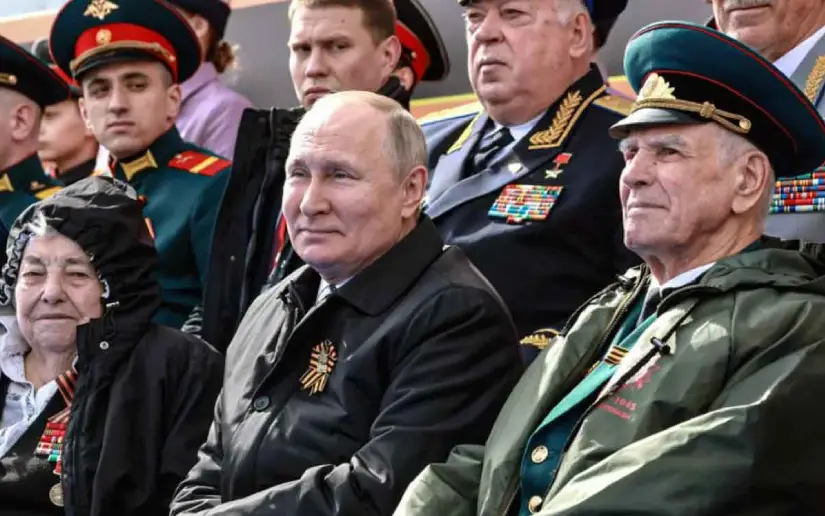
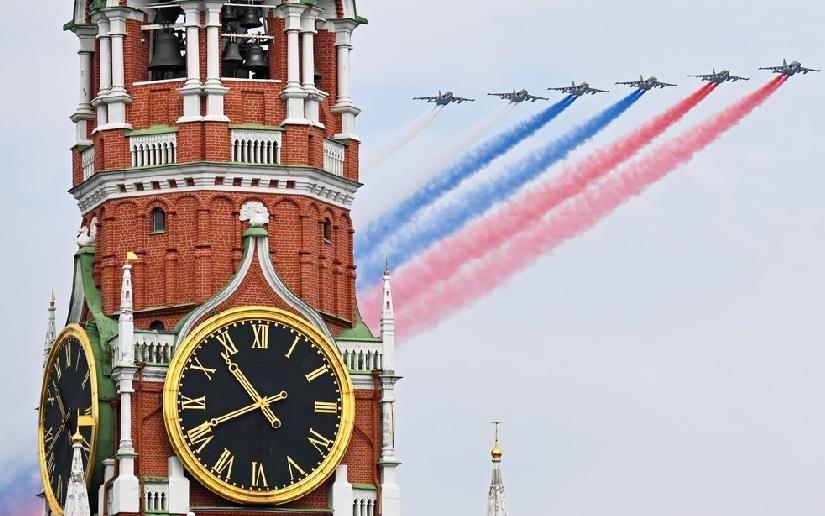
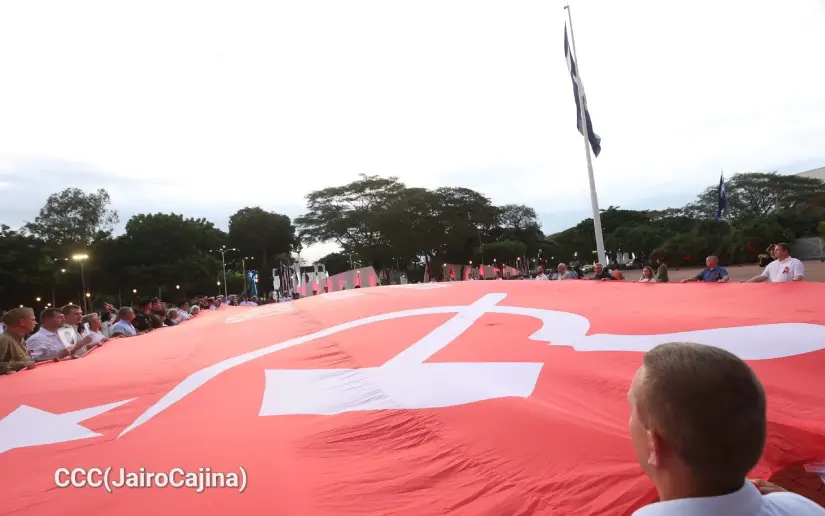
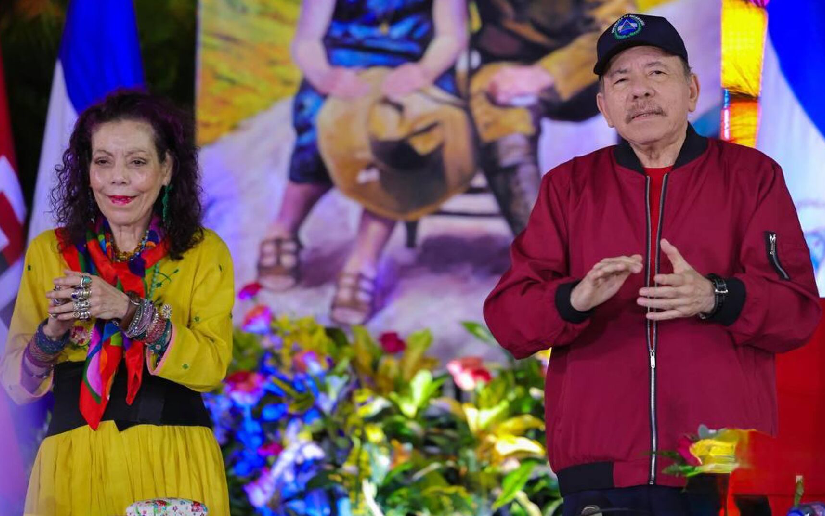
On the 81st anniversary of Victory Day marking the Soviet Union’s defeat of Nazi Germany, Nicaraguan co-presidents Daniel Ortega and Rosario Murillo sent formal congratulations to Russian President Vladimir Putin and the Russian people. Coverage across the spectrum notes that the message praised the courage and sacrifices of millions of Soviet citizens during World War II, affirmed the historic significance of the Great Patriotic War, and confirmed that Nicaragua will host commemorative activities such as a solemn National Assembly session and a march honoring Soviet heroes and the Immortal Regiment.
Both opposition and government-aligned reporting recognize that these gestures occur within the framework of a longstanding political and diplomatic alliance between Managua and Moscow, rooted in Cold War-era ties and deepened in recent years. They agree that Nicaraguan authorities symbolically link World War II antifascism to contemporary rhetoric about defending peace, human rights, and national sovereignty, and that Victory Day provides a recurring stage for reiterating this narrative and affirming Nicaragua’s alignment with Russia on the global stage.
Areas of disagreement
Framing of the Russia relationship. Government-aligned outlets depict Nicaragua’s congratulations as a principled act of solidarity with a historic ally that defeated Nazism and continues to fight fascism in defense of peace and life. Opposition-leaning voices, by contrast, tend to cast the same gestures as evidence of an increasingly asymmetric, politically costly dependence on Moscow that prioritizes ideological loyalty over pragmatic foreign policy. While pro-government media highlight mutual respect and shared historical struggle, opposition coverage is more likely to question whether this alignment isolates Nicaragua internationally and ties it to Russia’s current conflicts.
Use of antifascist rhetoric. Government-aligned coverage treats references to an ongoing battle against fascism and barbarism as a natural extension of World War II memory, applying them broadly to unspecified contemporary threats against humanity and sovereignty. Opposition sources are more inclined to argue that this antifascist vocabulary is instrumentalized to legitimize both Russian actions abroad and Nicaragua’s own authoritarian practices at home, recasting critics as heirs of fascism. Thus, where official media see a moral continuum from 1945 to today, opposition outlets see a politicized and often vague narrative that obscures current human rights concerns.
Domestic political implications. Pro-government reporting presents the commemorations, marches, and solemn sessions as unifying patriotic events that celebrate peace in Nicaragua and express gratitude for past sacrifices. Opposition coverage, when it addresses these events, tends to frame them as regime-orchestrated spectacles designed to reinforce Ortega-Murillo’s legitimacy, distract from domestic crises, and mobilize state-dependent supporters under a militarized, siege-mentality discourse. This leads official media to stress national harmony and spiritual reflection, while critics see political choreography and exclusion of dissenting voices.
Positioning in global conflicts. Government-aligned outlets emphasize Victory Day as a timeless symbol against war and aggression, implicitly aligning Nicaragua with Russia’s narrative of resisting Western hegemony and defending a multipolar order. Opposition-aligned commentary is more likely to note that overt solidarity with Moscow, particularly amid Russia’s contemporary military actions and sanctions, deepens Nicaragua’s estrangement from Western democracies and may carry economic and diplomatic risks. As a result, state-friendly media cast the stance as courageous and principled, whereas opposition voices portray it as short-sighted and ideologically rigid.
In summary, opposition coverage tends to view Nicaragua’s Victory Day congratulations as a politically charged reaffirmation of an isolating and authoritarian-aligned foreign policy, while government-aligned coverage tends to portray the same gestures as a dignified expression of historical gratitude, moral continuity, and sovereign solidarity with a key strategic partner.