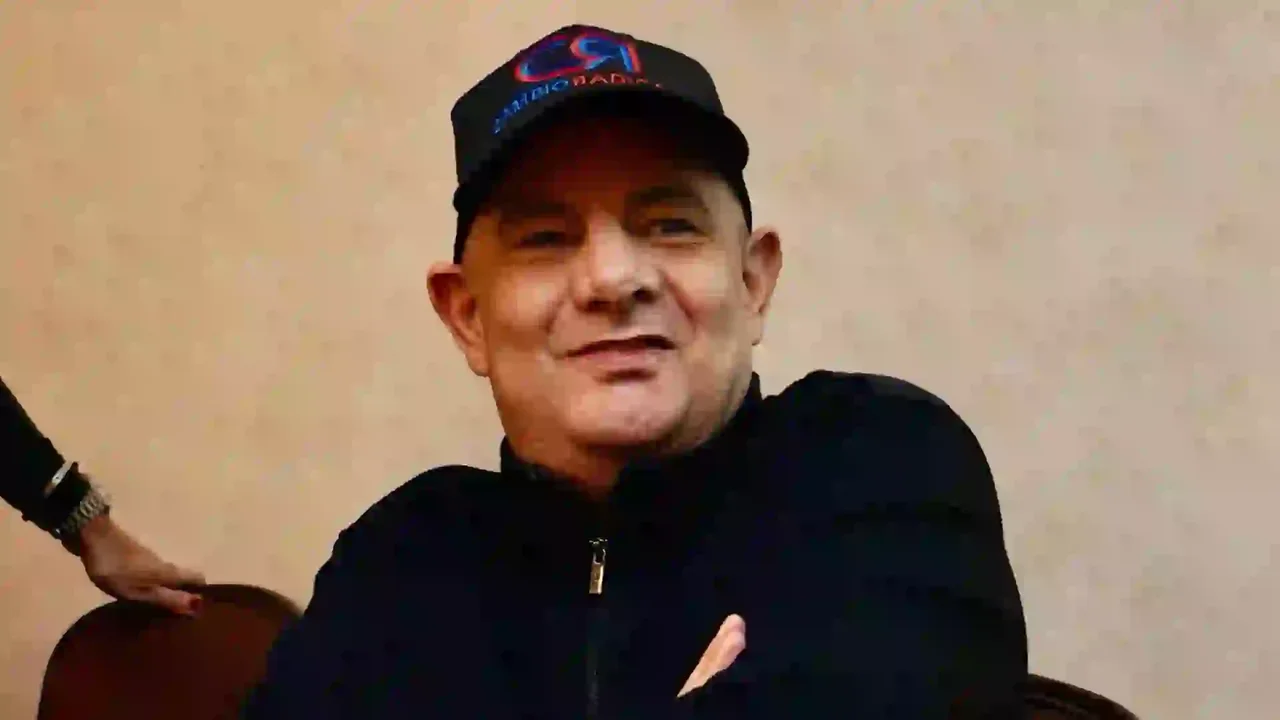
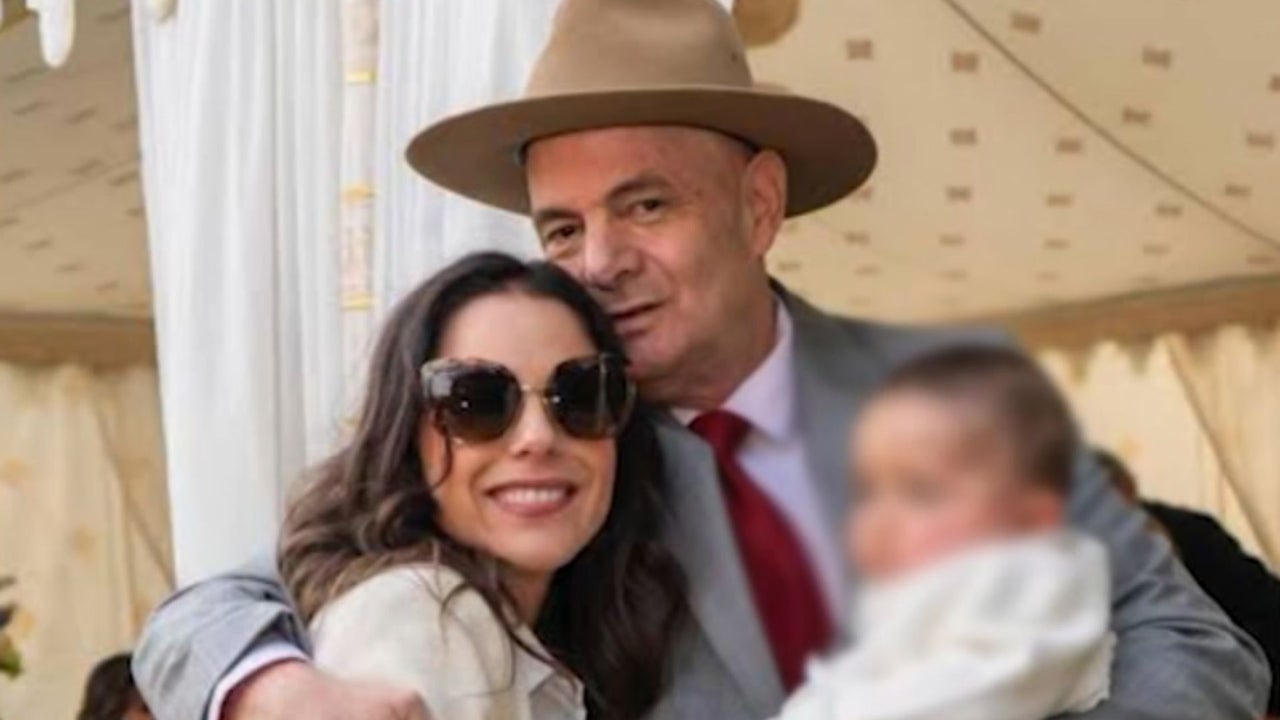
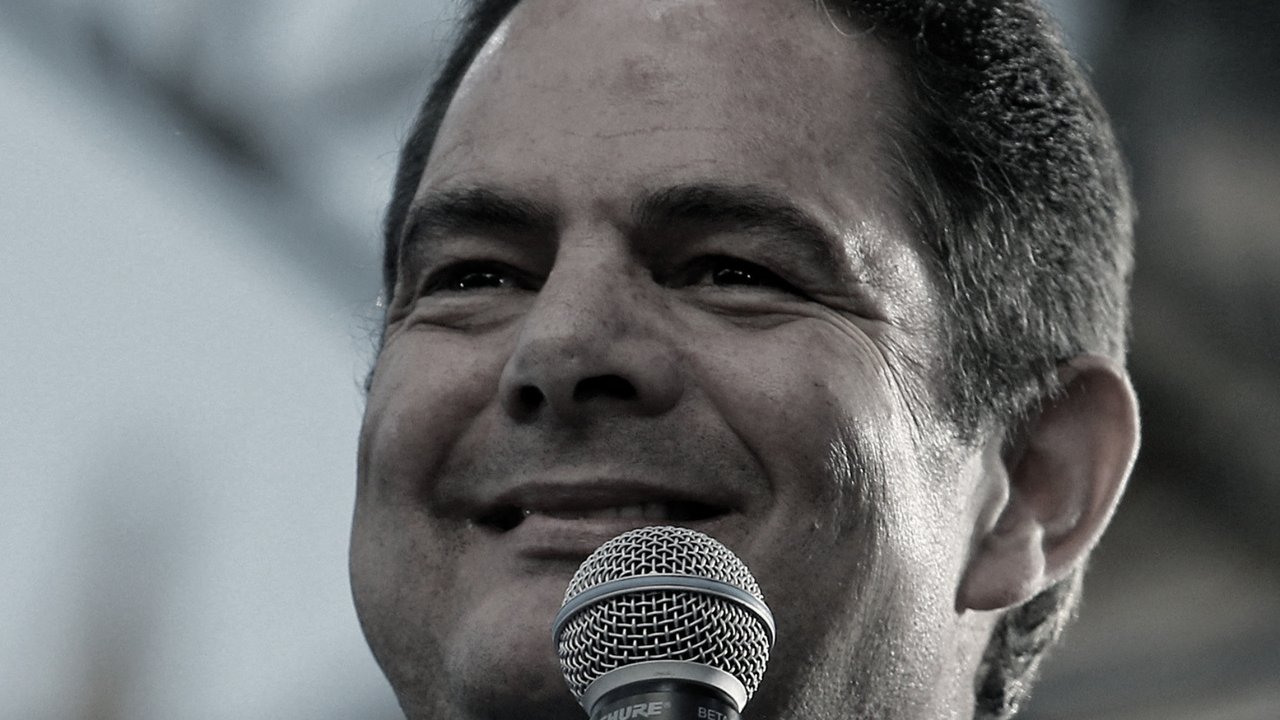
Former Colombian vice president Germán Vargas Lleras died in Bogotá on May 8 at the age of 64, after nearly a decade of serious health problems linked primarily to a benign meningioma, a tumor affecting the membranes surrounding the brain and spinal cord. Both opposition and government‑aligned coverage agree that his condition, first publicly acknowledged around 2016, led to several surgeries and specialized treatments in Colombia and abroad, and was later compounded by additional complications such as appendicitis and a liver cyst, culminating in his death following a prolonged medical struggle.
Across the spectrum, outlets converge on Vargas Lleras’s stature as one of Colombia’s most experienced and influential politicians over the last three decades, highlighting his work as a lawyer, councilman, senator, minister, vice president, and founder of the Cambio Radical party. There is shared emphasis on his central role in national infrastructure and housing programs, his reputation for a direct and combative political style, his survival of multiple assassination attempts and personal security threats, and the broad cross‑party wave of condolences that followed his death, underscoring his significance in Colombia’s contemporary political history.
Areas of disagreement
Cause and characterization of illness. Government‑aligned outlets emphasize a long battle with a benign meningioma and related complications, sometimes referring more broadly to a battle with cancer while stressing the complexity and duration of his condition. Opposition‑aligned sources are more inclined to question the clarity and consistency of the official medical narrative, noting shifting descriptions of his illness and raising the possibility that some details about his health trajectory and treatment may have been politically managed or under‑disclosed.
Political legacy and balance sheet. Government‑aligned coverage tends to portray Vargas Lleras as a statesman whose main legacy lies in infrastructure expansion, housing programs, and technocratic management, with criticism of his record largely muted or absent in the immediate aftermath of his death. Opposition‑aligned outlets more readily balance acknowledgments of his experience and administrative capacity with reminders of controversial episodes involving clientelism, machine politics, and his party’s role in past corruption scandals, framing his legacy as powerful but deeply ambivalent.
Relationship with current governments. Government‑aligned reporting often highlights Vargas Lleras’s institutional roles under previous administrations and depicts him as part of a responsible governing establishment whose contributions transcend partisan disputes, sometimes stressing his moments of cooperation with incumbent authorities. Opposition‑aligned coverage focuses more on his recurrent role as a sharp critic of sitting governments, including the current one, portraying him as a figure of the traditional political class whose clashes with newer political forces symbolize broader tensions between old and new elites.
Public reaction and symbolism. Government‑aligned outlets underscore the breadth of the political mourning—from former presidents to current officeholders—and frame the reaction as a unifying national homage to a key architect of recent public policy. Opposition‑aligned sources are more likely to juxtapose elite tributes with more mixed public sentiments, noting that while many respect his experience, others see his passing as emblematic of the fading influence of traditional party bosses and question whether the official mourning fully reflects grassroots views.
In summary, opposition coverage tends to situate Vargas Lleras’s death within a critical narrative about traditional political elites, questioning aspects of the official medical and political framing and foregrounding controversies around his style of power, while government-aligned coverage tends to present a largely laudatory account that stresses his long public service, policy achievements, and the broad institutional respect expressed after his passing.