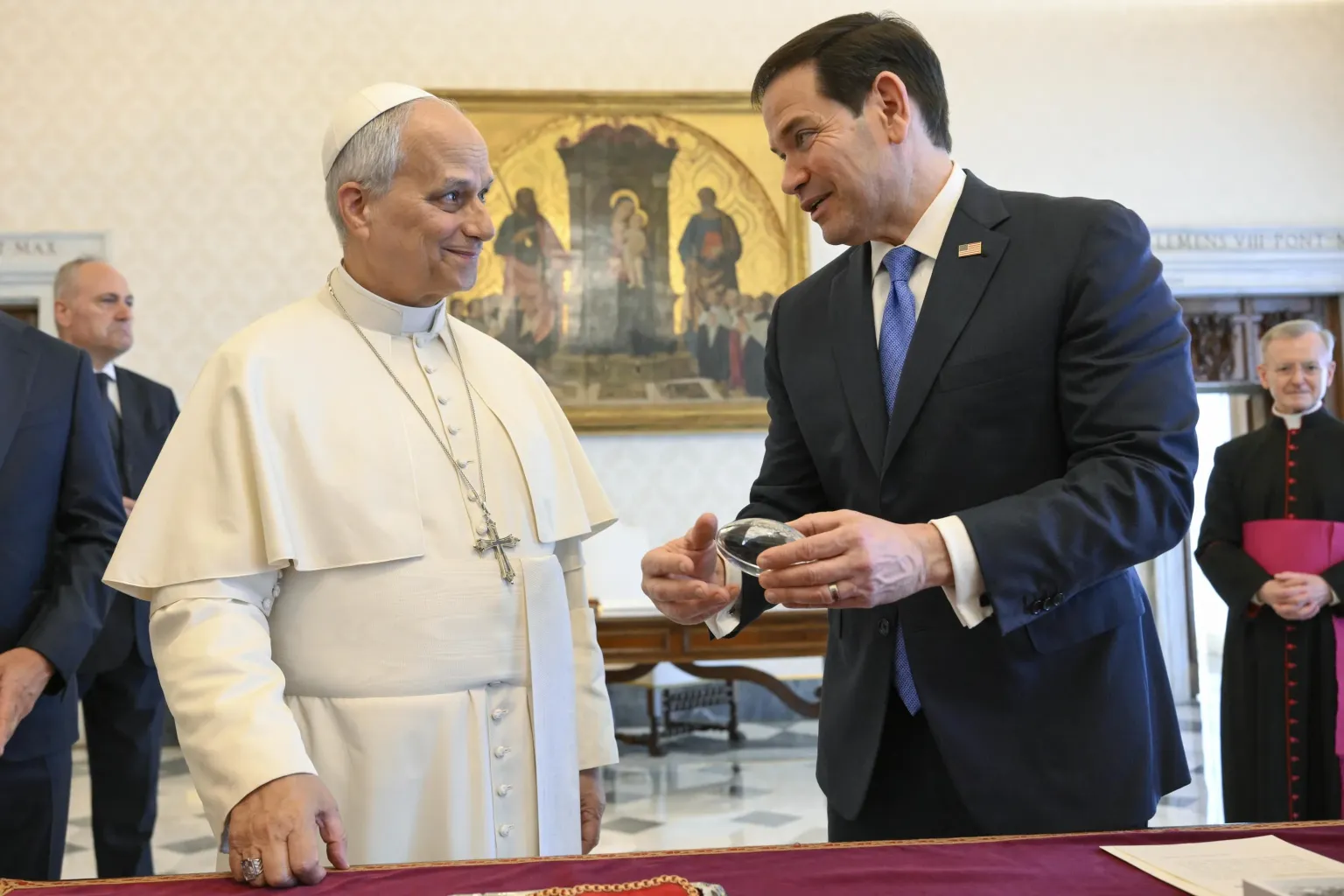
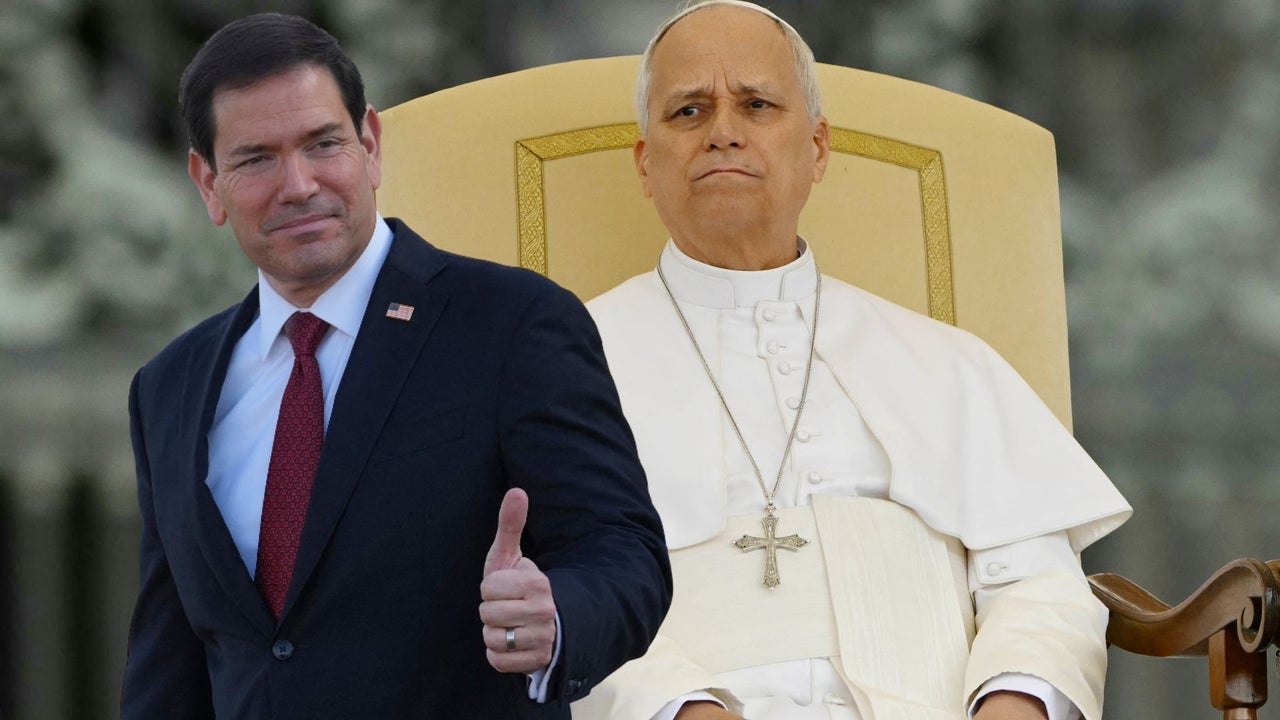
US Secretary of State Marco Rubio met Pope Leo XIV at the Vatican for a roughly three‑quarters‑of‑an‑hour audience intended to underscore a shared commitment to peace, human dignity, and a strong relationship between the United States and the Holy See. Both opposition and government-aligned sources agree that the visit followed verbal attacks by President Donald Trump against the Pope over his opposition to a war with Iran, and that the encounter was framed by both sides as an attempt to reinforce diplomatic ties after this tension. Coverage from both camps notes that Rubio also held talks with Vatican Secretary of State Cardinal Pietro Parolin, where they discussed humanitarian initiatives, religious freedom, and broader international issues including the Middle East.
Across outlets, the meeting is situated within the longstanding institutional relationship between Washington and the Vatican, which has historically involved cooperation on conflict mediation, humanitarian crises, and the defense of religious minorities. Both opposition and government-aligned coverage describe the Holy See as a moral and diplomatic actor often critical of military escalation, especially in the Middle East, and present Rubio’s visit as part of a broader effort to manage fallout from the US administration’s more confrontational stance. There is shared acknowledgment that the talks touch on enduring themes in Vatican–US relations—peace processes, humanitarian corridors, and respect for human dignity—rather than announcing any single new policy or agreement.
Areas of disagreement
Purpose and tone of the visit. Opposition sources portray Rubio’s audience with Pope Leo XIV primarily as damage control after Trump’s attacks, emphasizing the need to repair moral credibility and reassure the Vatican that parts of the US government remain committed to peace. Government-aligned outlets, while mentioning the Trump remarks, frame the visit as a positive, forward-looking reaffirmation of an already solid bilateral relationship. Opposition reporting highlights the reactive nature of the trip, whereas government-aligned coverage stresses continuity, partnership, and shared values more than crisis management.
Emphasis on Trump’s role. Opposition coverage places Trump’s verbal assault on the Pope at center stage, suggesting it created a serious diplomatic rift that Rubio was obliged to address and subtly distance himself from. Government-aligned media refer to Trump’s comments but treat them as background noise rather than a defining rupture, focusing instead on Rubio as the President’s trusted envoy. The former implies that presidential rhetoric has real diplomatic costs, while the latter downplays long-term damage and frames the episode as a momentary irritation now smoothed over.
Substance versus symbolism. Opposition outlets stress substantive themes such as peace, humanitarian initiatives, and religious freedom, implying an underlying tension between these Vatican priorities and the administration’s Iran and Middle East policies. Government-aligned coverage gives greater weight to the symbolism of the meeting and gift exchange—such as the olive wood pen and Rubio’s crystal American football—as evidence of warm personal rapport and normalized relations. Opposition reporting hints that deep policy divergences remain beneath the cordial optics, whereas government-aligned stories suggest the symbolism itself signals substantial alignment.
Assessment of outcomes. Opposition sources tend to frame the outcome as modest, suggesting that, while the visit reassures the Vatican, it does not resolve fundamental disagreements over war and peace. Government-aligned outlets present the meeting as a diplomatic success that consolidates cooperation on international issues, particularly in the Middle East, and restores confidence after Trump’s remarks. Where opposition narratives question how far the administration will actually adjust its behavior in line with Vatican concerns, government-aligned narratives imply that mutual understanding has been effectively reaffirmed.
In summary, opposition coverage tends to cast the visit as necessary repair work after self-inflicted damage by the President and as a reminder of unresolved policy tensions, while government-aligned coverage tends to highlight continuity, cordial symbolism, and a successful reaffirmation of strong Vatican–US ties.