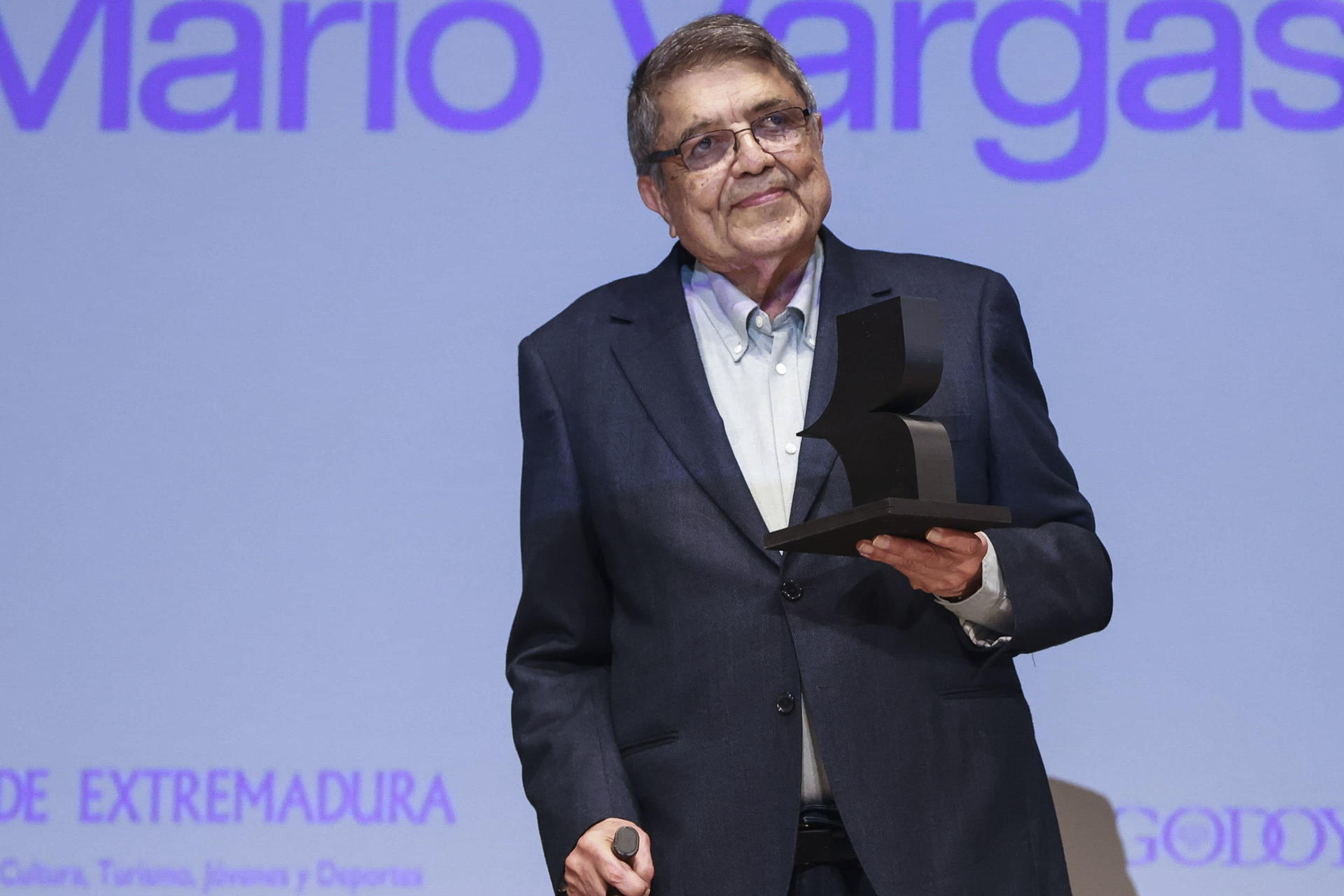
Nicaraguan writer Sergio Ramírez has been formally proposed as a candidate to occupy seat L of the Royal Spanish Academy (RAE), the position left vacant after the departure of Nobel laureate Mario Vargas Llosa. His candidacy, presented and endorsed by three academics, will be decided by a definitive vote scheduled for May 21st in a plenary session of the Academy, where the result will be officially proclaimed.
Coverage agrees that Ramírez is a major figure in Ibero-American letters, highlighted by his Cervantes Prize and long literary trajectory. Outlets also concur that he has lived in Spain since acquiring Spanish nationality in 2018 and that he remains in exile from Nicaragua, making his proposed incorporation into the RAE both a professional milestone and a symbolic recognition within the broader Spanish-speaking literary world.
Areas of disagreement
Significance of the nomination. Opposition-aligned outlets frame the proposal as an important cultural and political validation of Ramírez, emphasizing that a Nicaraguan exile ascending to Vargas Llosa’s former chair underscores his international prestige and moral authority. In the absence of government-aligned coverage, pro-government narratives typically downplay or ignore such recognitions, likely treating them as routine institutional procedures or foreign affairs with limited domestic relevance. This creates a contrast between celebratory, high-profile treatment and relative silence or minimization.
Exile and political context. Opposition outlets explicitly underline that Ramírez remains in exile from Nicaragua, using his RAE candidacy to highlight repression and the broader plight of dissident intellectuals. Government-aligned media, by contrast, tend either to omit this exile context or to frame exiled figures as politically motivated opponents rather than legitimate cultural ambassadors, thereby stripping the nomination of its critical edge toward Nicaraguan authorities.
National image and prestige. For opposition sources, Ramírez’s possible entry into the RAE is portrayed as a point of pride for Nicaraguans that occurs despite, not because of, the current government, suggesting that national cultural prestige survives independent of official endorsement. Government-aligned narratives generally seek to monopolize symbols of national success, so when they do mention figures like Ramírez, they are more likely to present them as detached from present-day politics or as less central to the country’s image than state-approved artists and writers.
Ownership of literary legacy. Opposition coverage tends to situate Ramírez in the continuum of critical, independent Ibero-American literature, alongside figures such as Vargas Llosa, stressing his intellectual autonomy from power. Government-aligned perspectives, when they engage at all, typically resist granting dissident writers the mantle of representing the nation’s literary canon, preferring to reserve that status for authors seen as neutral or sympathetic to the ruling project.
In summary, opposition coverage tends to elevate Ramírez’s RAE candidacy as a culturally and politically significant vindication of an exiled intellectual, while government-aligned coverage tends to ignore, minimize, or depoliticize the event to avoid reinforcing a prominent critic’s international stature.