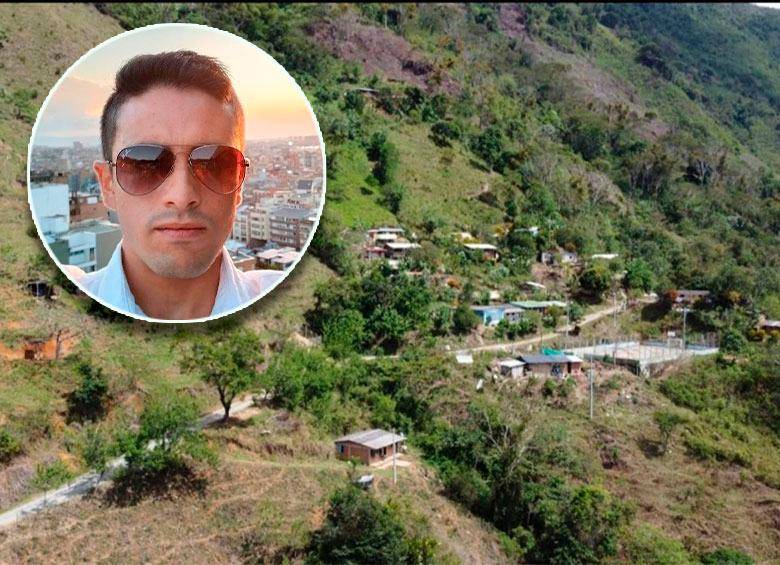
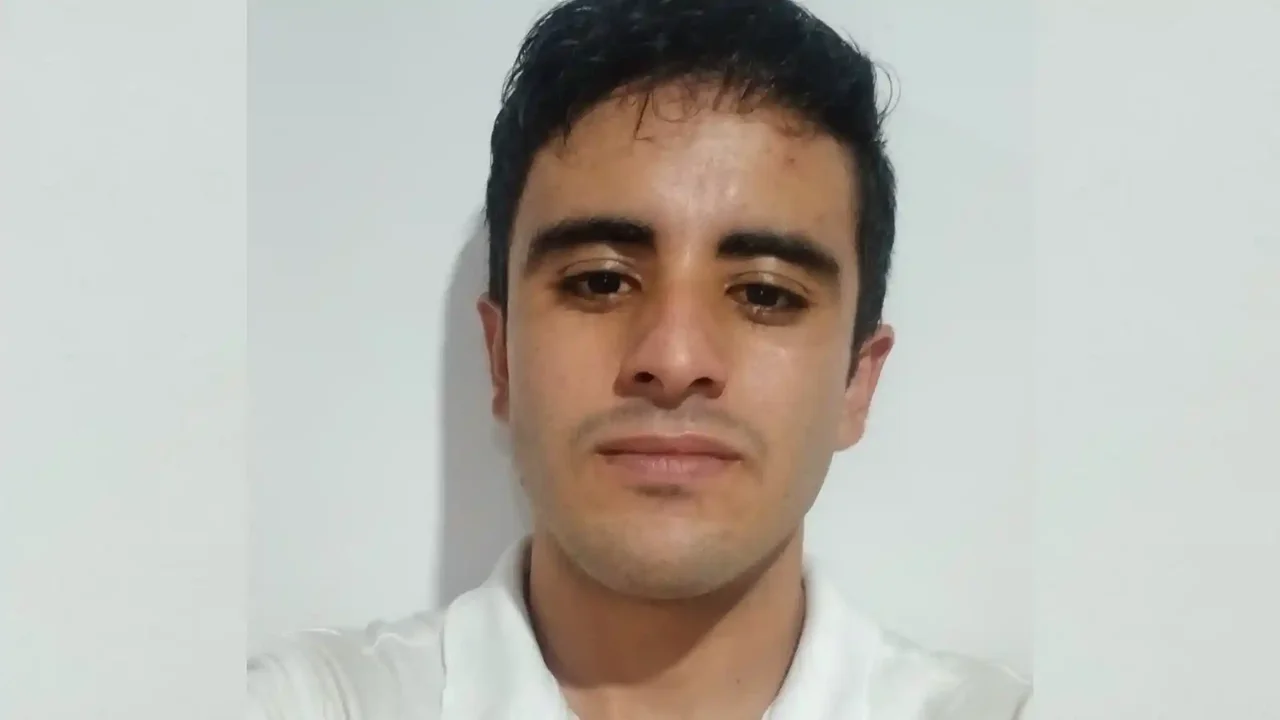
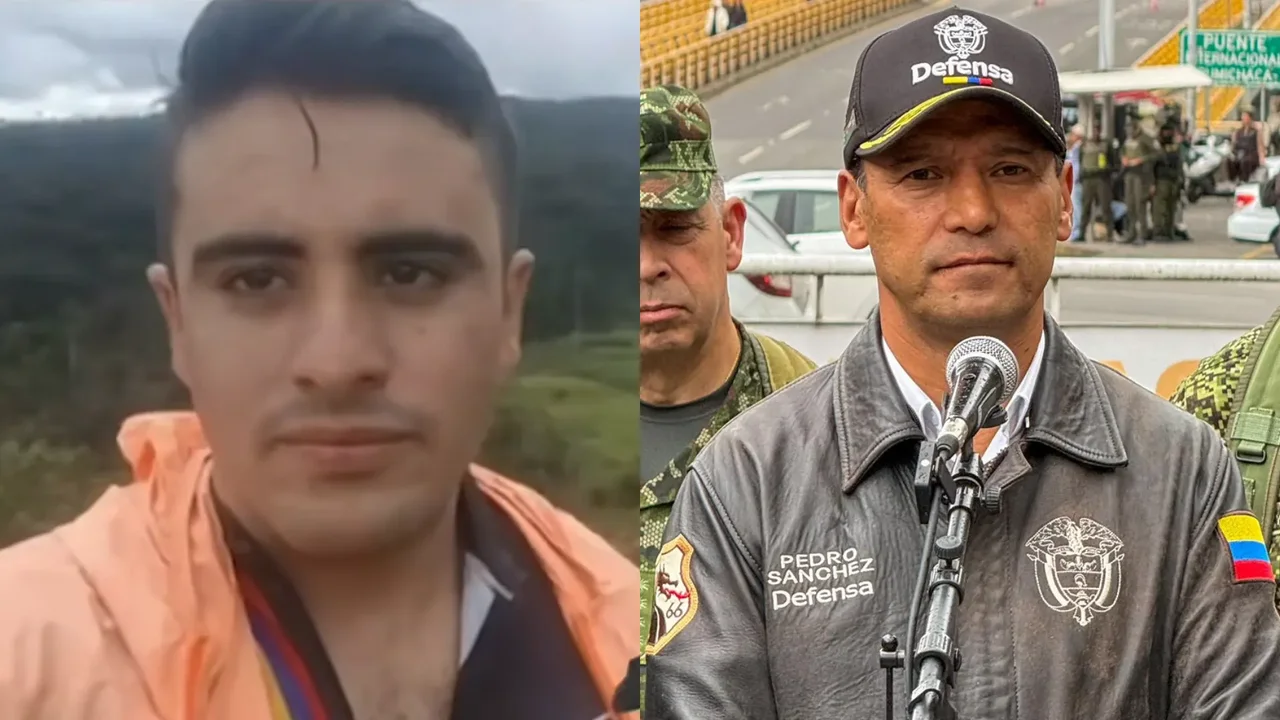
Journalist Mateo Pérez, director of the outlet known as El Confidente (or El Confidente de Yarumal), disappeared around May 5 while reporting in the rural area of Briceño, in northern Antioquia, where he was investigating local violence, armed conflict, and displacement. Both opposition and government-aligned coverage agree that he was allegedly kidnapped by FARC dissidents operating in the zone, that dissident commander Jhon Chala, alias Víctor Chala, is a key suspect, and that authorities have offered a reward of up to 300 million pesos for information leading to those responsible. They also concur that his family is engaged with official and humanitarian channels to locate him, and that the case has become a national story highlighting the dangers journalists face in conflict-affected regions.
Coverage from both sides situates the incident within the broader context of persistent armed activity by FARC dissidents in Antioquia and the limits of state control in rural conflict zones. They describe the involvement of national institutions such as the Ombudsman's Office, the Defense Ministry, and the International Committee of the Red Cross in search and verification efforts, presenting the case as part of a pattern of risks to regional reporters who cover organized crime and displacement. Both perspectives frame Pérez’s disappearance against longstanding debates about implementation of peace accords, the protection of journalists and social leaders, and the need for stronger guarantees and reforms to safeguard press freedom in areas where illegal armed groups retain significant influence.
Areas of disagreement
Status of the journalist and certainty of death. Opposition-aligned outlets tend to treat Pérez as having been murdered, using language like "allegedly murdered" and focusing on efforts to recover his body, implicitly accepting that he is dead based on local and family accounts. Government-aligned coverage, by contrast, highlights official statements from the Defense Minister stressing that there is no formal confirmation of his death and that he remains missing, emphasizing ongoing search operations. While both acknowledge rumors and reports of his killing, opposition sources foreground them as the working assumption, whereas government-aligned sources insist on procedural caution and the need for forensic or institutional verification.
Framing of state response and responsibility. Opposition coverage typically underscores prior warnings about insecurity in the area and suggests that the state failed to provide adequate protection despite known risks to journalists investigating armed groups, implicitly assigning political responsibility for the conditions that enabled the kidnapping. Government-aligned outlets spotlight the rapid mobilization of security forces, the reward announcement, and coordination with oversight bodies as evidence of a serious and active response, downplaying notions of prior negligence. This leads opposition sources to paint a picture of chronic state absence and reactive measures, while government-aligned coverage portrays institutions as engaged and responsive in real time.
Characterization of armed actors and conflict context. Opposition-aligned reporting tends to portray the FARC dissidents as de facto powers in the region whose control is a consequence of incomplete or failed peace implementation, linking Pérez’s case to a broader narrative of resurgent conflict and state weakness. Government-aligned outlets describe the dissidents as criminal groups that are being pursued by the authorities, keeping the focus on law-enforcement efforts rather than systemic political failures. As a result, opposition sources use the case to question broader security policies and peace-process follow-through, while government-aligned coverage narrows the frame to a specific criminal act by identifiable perpetrators.
Role of institutions and international actors. Opposition outlets give notable weight to the role of the International Committee of the Red Cross in helping the family recover Pérez’s body, implying that neutral humanitarian actors are crucial where trust in state structures is limited. Government-aligned coverage instead emphasizes the Ombudsman's Office, the Defense Ministry, and official reward mechanisms, framing the state as the primary and legitimate problem-solver. This contrast leads opposition narratives to stress the need for external or independent mediation in conflict zones, whereas government-aligned narratives stress institutional capacity and sovereignty in managing the crisis.
In summary, opposition coverage tends to assume Pérez has been killed and uses the case to highlight state failures, structural insecurity, and the power of armed groups in neglected regions, while government-aligned coverage tends to maintain formal uncertainty about his death, emphasize institutional efforts and rewards, and frame the incident as a specific criminal act being actively addressed by the authorities.