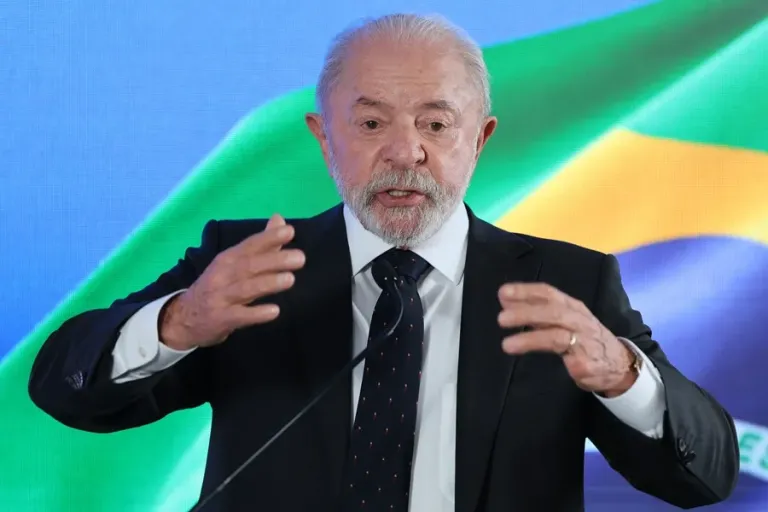
Brazilian President Luiz Inácio Lula da Silva and US President Donald Trump held a White House meeting described by both sides as cordial and longer than initially scheduled, with both leaders saying it went "very well" and marked an important step in bilateral relations. Both opposition and government-aligned outlets agree that the core agenda centered on trade, especially tariffs and US investigations into Brazilian commercial practices, alongside cooperation on international crime and, in some accounts, critical minerals. They concur that representatives from both countries will continue negotiations in the coming months, that recent diplomatic tensions formed the backdrop to the summit, and that no joint press conference was held afterward. Lula is reported across outlets as relaying that Trump assured him the US does not intend to invade Cuba, and as offering Brazil’s help in discussions about the island.
Coverage from both camps situates the encounter within a broader institutional and geopolitical context: a phase of strained US–Brazil relations that both presidents nonetheless claim they want to improve, and the long-standing role of tariffs and trade disputes in shaping the bilateral agenda. Media on both sides acknowledge that Brazil seeks to navigate between maintaining a constructive relationship with Washington and asserting autonomy in regional issues such as Cuba, while the US balances domestic economic concerns with strategic interests in Latin America. There is shared recognition that the meeting fits into established patterns of presidential diplomacy—high-level summits followed by technical talks—and that outcomes will hinge less on the symbolic rhetoric of a "very good" meeting and more on follow-up negotiations among trade and foreign policy institutions.
Areas of disagreement
Tone and significance of the meeting. Opposition outlets tend to portray the encounter as routine diplomacy framed by unresolved disputes, highlighting the absence of a joint press conference and emphasizing underlying tensions that the meeting did not fully resolve. Government-aligned outlets, by contrast, amplify Lula’s characterization of an “important step” and stress the cordial atmosphere and extended duration as evidence of a diplomatic breakthrough. While opposition sources concede that both sides called the meeting positive, they are more guarded about its substantive impact, whereas government-aligned coverage leans into summit symbolism and future promise.
Trade and tariffs focus. Opposition coverage underscores tariffs as a site of friction, linking them to US scrutiny of Brazilian economic practices and suggesting that structural asymmetries may not shift significantly despite upbeat talk. Government-aligned sources emphasize the same tariff agenda as an opportunity, framing the talks as the start of a pathway to better trade terms and deeper economic integration. Where opposition accounts stress risks and unresolved investigations that could constrain Brazil, government-aligned reporting concentrates on the prospect of pragmatic deals and mutual benefits.
Regional geopolitics and Cuba. Opposition outlets give relatively greater weight to Lula’s remarks about Cuba, foregrounding his criticism of the blockade and his claim that Trump does not intend to invade the island, and using this to highlight Brazil’s independent regional posture. Government-aligned outlets either downplay or neutralize this angle, treating the Cuba discussion as a secondary reassurance rather than a central outcome. As a result, opposition narratives frame the meeting partly through Latin American sovereignty and US intervention debates, while government-aligned narratives focus on bilateral cooperation and avoid inflaming regional ideological issues.
Assessment of diplomatic tensions. Opposition reporting tends to stress that the meeting occurred amid ongoing diplomatic strains, implying that underlying disagreements over trade and investigations remain largely intact despite positive rhetoric. Government-aligned coverage acknowledges prior tensions but presents them as being actively managed and partially defused by the leaders’ willingness to engage constructively. Thus, opposition sources lean toward skepticism about how much has truly changed, whereas government-aligned sources depict the summit as a meaningful reset that puts relations on a more stable trajectory.
In summary, opposition coverage tends to treat the Lula–Trump meeting as a cautiously positive but limited event overshadowed by structural trade disputes and regional power asymmetries, while government-aligned coverage tends to cast it as a diplomatic success that strengthens ties, opens economic opportunities, and signals a constructive new phase in US–Brazil relations.