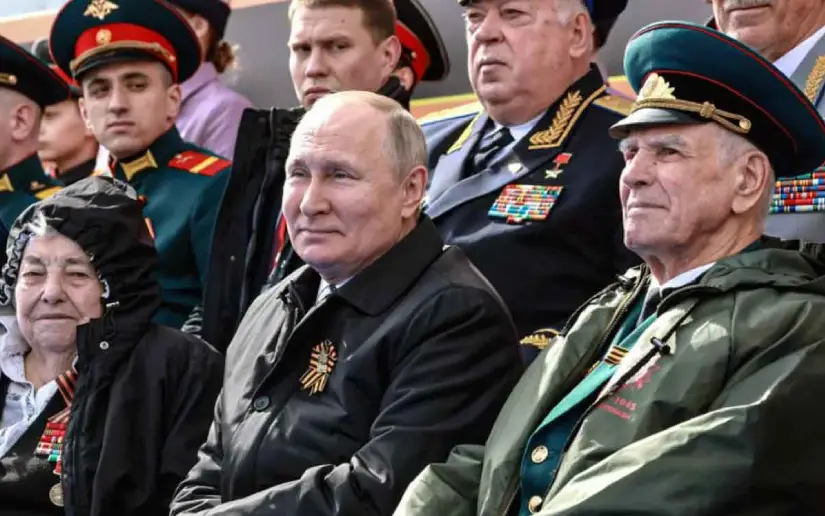
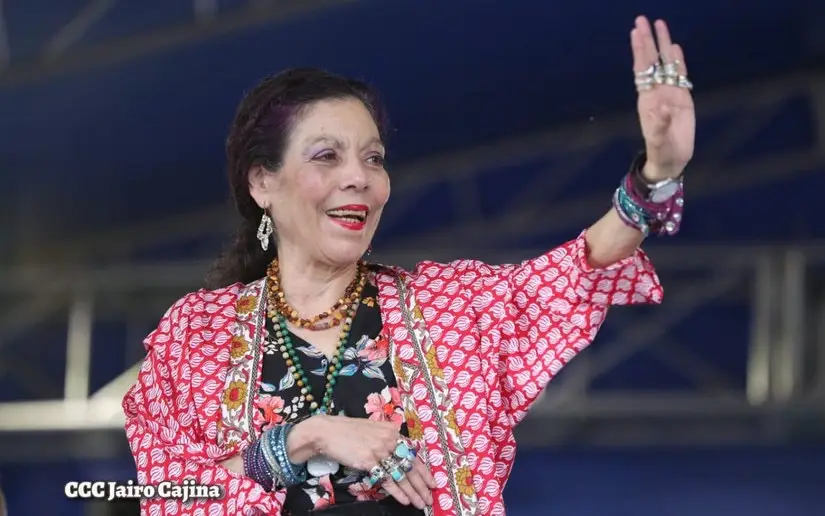
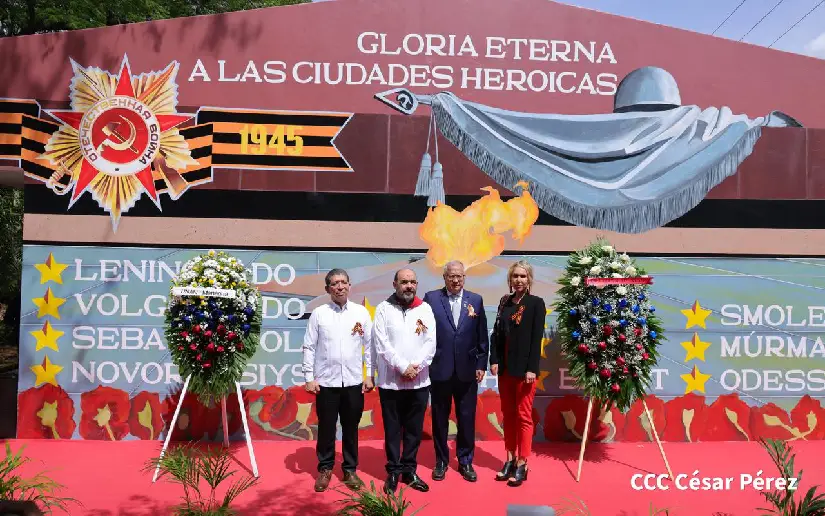
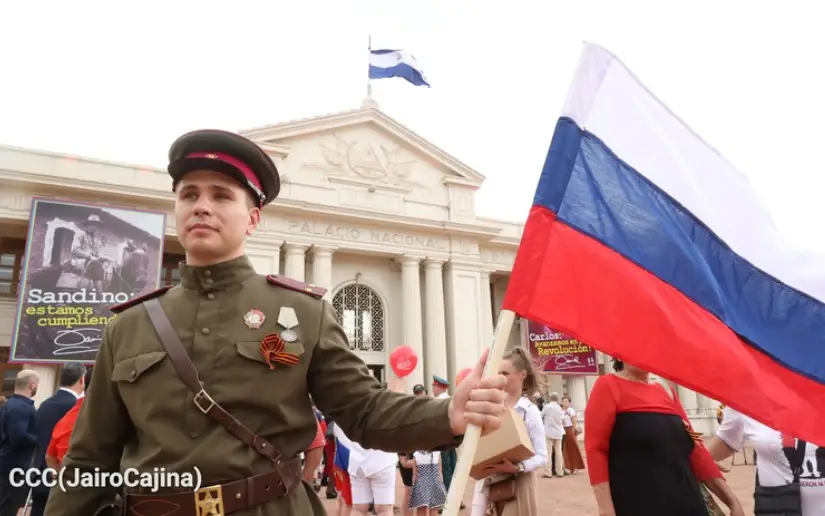
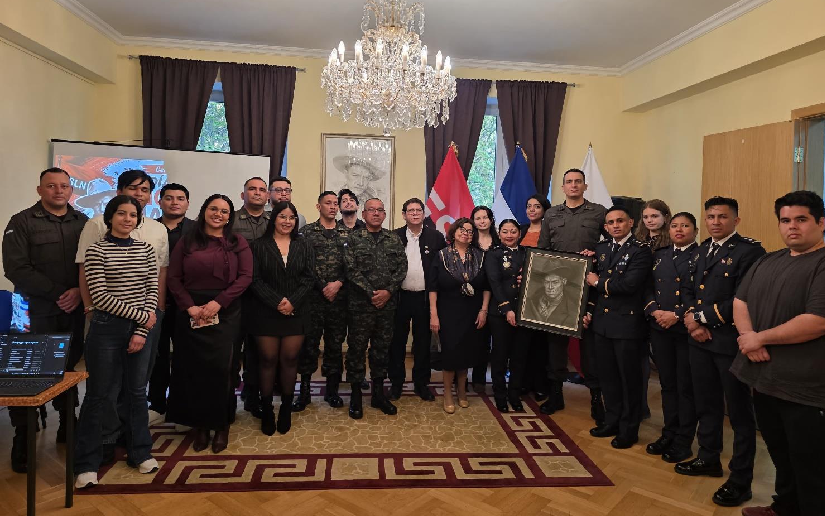
Nicaraguan and international coverage agree that the Nicaraguan government has formally commemorated Russia’s Victory Day, marking the defeat of Nazi Germany in World War II with official ceremonies and public events in early May. Reports converge on the active role of Vice President and First Lady Rosario Murillo, who sent a message of solidarity to Russian President Vladimir Putin, praised the sacrifices of millions of Soviet citizens, and framed the anniversary as a shared struggle against fascism. Both perspectives note that commemorative activities involve Nicaraguan institutions and Russian diplomatic representatives, including ceremonies at UNAN-Managua, tree-planting and floral tributes, exhibitions of posters and documentaries about the Great Patriotic War, and a special session of the National Assembly, as well as cultural programming like film screenings and live broadcasts of the Victory Parade from Moscow’s Red Square.
Across the spectrum, coverage situates these commemorations within a broader framework of Nicaragua–Russia relations and institutional cooperation, acknowledging that the Nicaraguan state and the Russian Embassy coordinate many of the events. There is agreement that the government uses the occasion to underscore themes of peace, sovereignty, anti-fascism, and historical memory, and that references are made to Nicaragua’s own historical struggles, especially the Sandinista legacy and figures like Augusto C. Sandino. Sources also concur that the commemorations are accompanied by mention of domestic development initiatives in infrastructure, housing, education, and health, presented as part of a larger narrative of national progress and dignity linked symbolically to the wartime victory being honored.
Areas of disagreement
Framing of the Russia alliance. Government-aligned outlets depict Nicaragua’s participation in Victory Day as a principled, sovereign alignment with a historic ally against fascism and imperialism, highlighting messages of gratitude to Russia and shared sacrifice. Opposition-aligned sources, by contrast, tend to frame the same events as evidence of Managua’s deepening political dependence on Moscow, emphasizing geopolitical calculations rather than values-based solidarity. While official media stress mutual respect and a multipolar order, critical outlets are more likely to suggest that the relationship isolates Nicaragua from Western democracies and ties it to an authoritarian bloc.
Use of historical memory. Government-aligned coverage celebrates the invocation of World War II and Sandinista history as a legitimate educational effort, reinforcing patriotism and anti-fascist values among youth through ceremonies, lectures, and cultural activities. Opposition outlets more often argue that these commemorations instrumentalize foreign and domestic history to bolster the current leadership’s legitimacy, fusing Soviet victory and Sandinista narratives into a personalized cult around the ruling couple. For pro-government media, the linkage between the Great Patriotic War and Nicaraguan sovereignty is organic and inspirational, whereas critics see it as a selective and propagandistic use of memory that sidelines alternative historical perspectives.
Domestic context and development narrative. Government-aligned sources pair Victory Day coverage with accounts of infrastructure, housing, education, and health projects, presenting a coherent storyline of a country advancing in peace thanks to stable leadership and international allies like Russia. Opposition-aligned reporting typically questions this optimistic picture, either by downplaying or challenging claims of broad-based development and pointing to persistent poverty, migration, and governance problems. Where official media read the commemorations as proof of a responsible government delivering both dignity and material progress, critical media tend to treat them as symbolic showcases that distract from unresolved domestic crises.
Democracy, rights, and international image. Government-friendly outlets emphasize discourse around peace, human rights, and the fight against fascism, suggesting that Nicaragua and Russia stand together against aggression and neo-Nazism on the global stage. Opposition media, however, frequently juxtapose these celebrations with concerns over democratic backsliding, repression of dissent, and international sanctions facing both governments, arguing that the rhetoric of peace masks authoritarian practices at home. For official narratives, the commemorations enhance Nicaragua’s international prestige and moral standing, while critics contend they reinforce an image of alignment with repressive regimes and deepen the country’s diplomatic isolation from liberal democracies.
In summary, opposition coverage tends to interpret Nicaragua’s Victory Day commemorations as politically instrumental, geopolitically risky, and disconnected from unresolved domestic problems, while government-aligned coverage tends to present them as uplifting expressions of historical solidarity, national dignity, and peaceful development backed by a valued strategic ally.