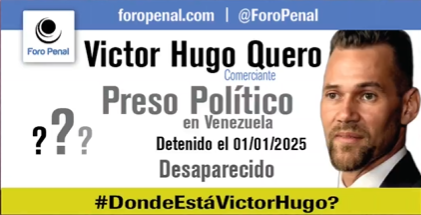
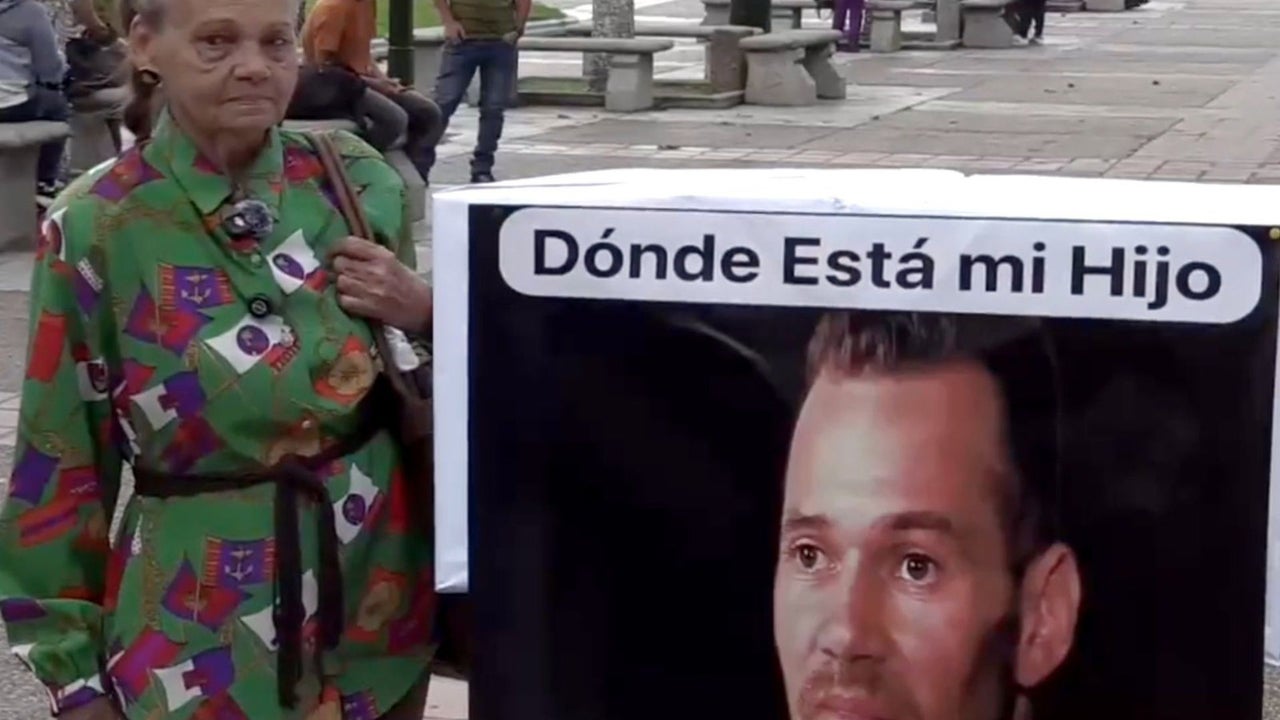
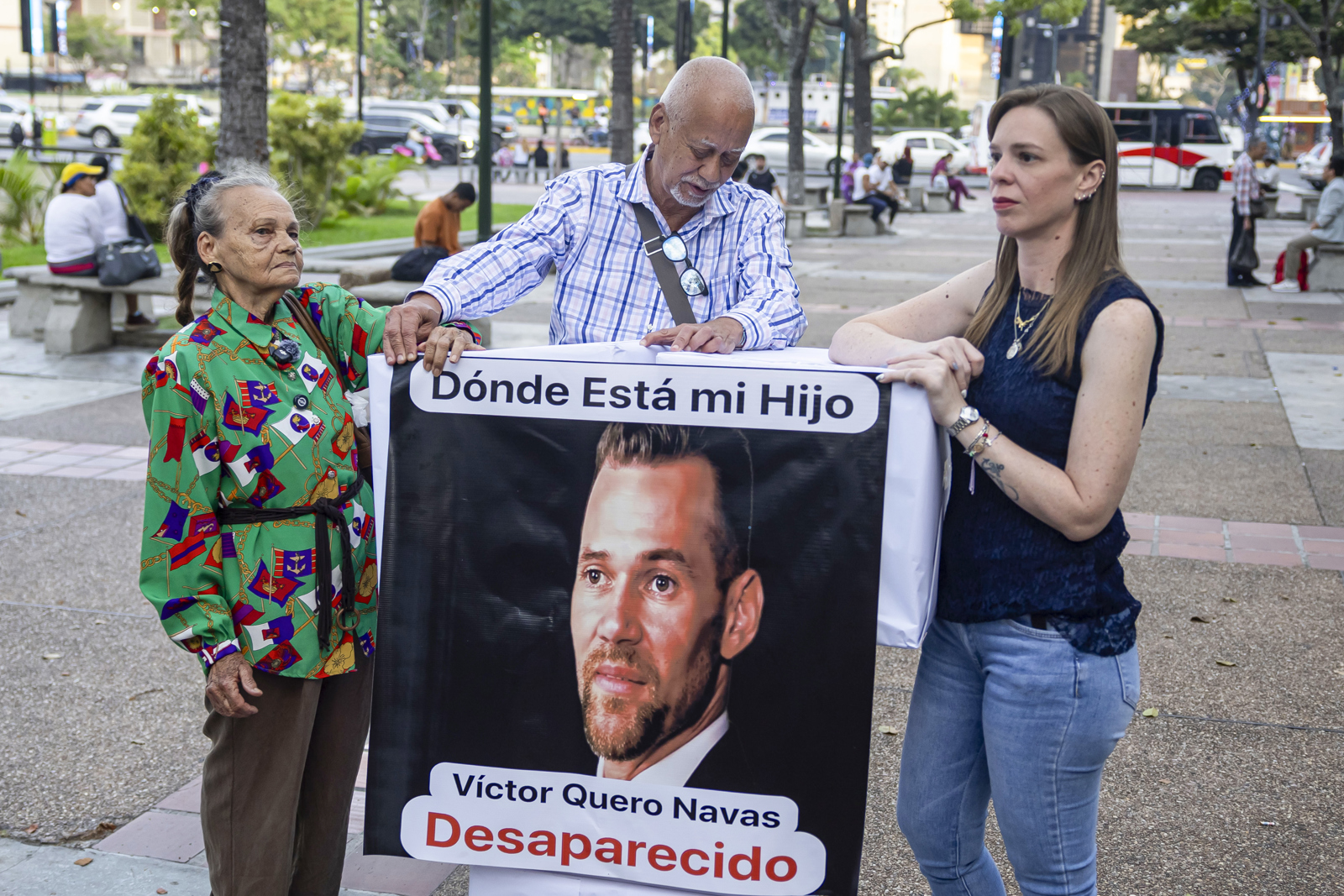
Venezuelan and international coverage converges on several basic facts about the case of Víctor Hugo Quero Navas. All sides report that he was detained in early January 2025 and held at the El Rodeo I prison complex near Caracas as a political prisoner. The Ministry of Penitentiary Services has now officially confirmed that Quero died in state custody on July 24, 2025, reportedly after being transferred from prison to a hospital, with respiratory failure cited as the medical cause of death and his body subsequently buried by the state. There is broad agreement that his relatives, especially his 84‑year‑old mother Carmen Teresa Navas, spent months or more than a year seeking information on his whereabouts as authorities failed to provide a clear answer, and that confirmation of his death only came publicly in May 2026, nearly ten months after the official date of death.
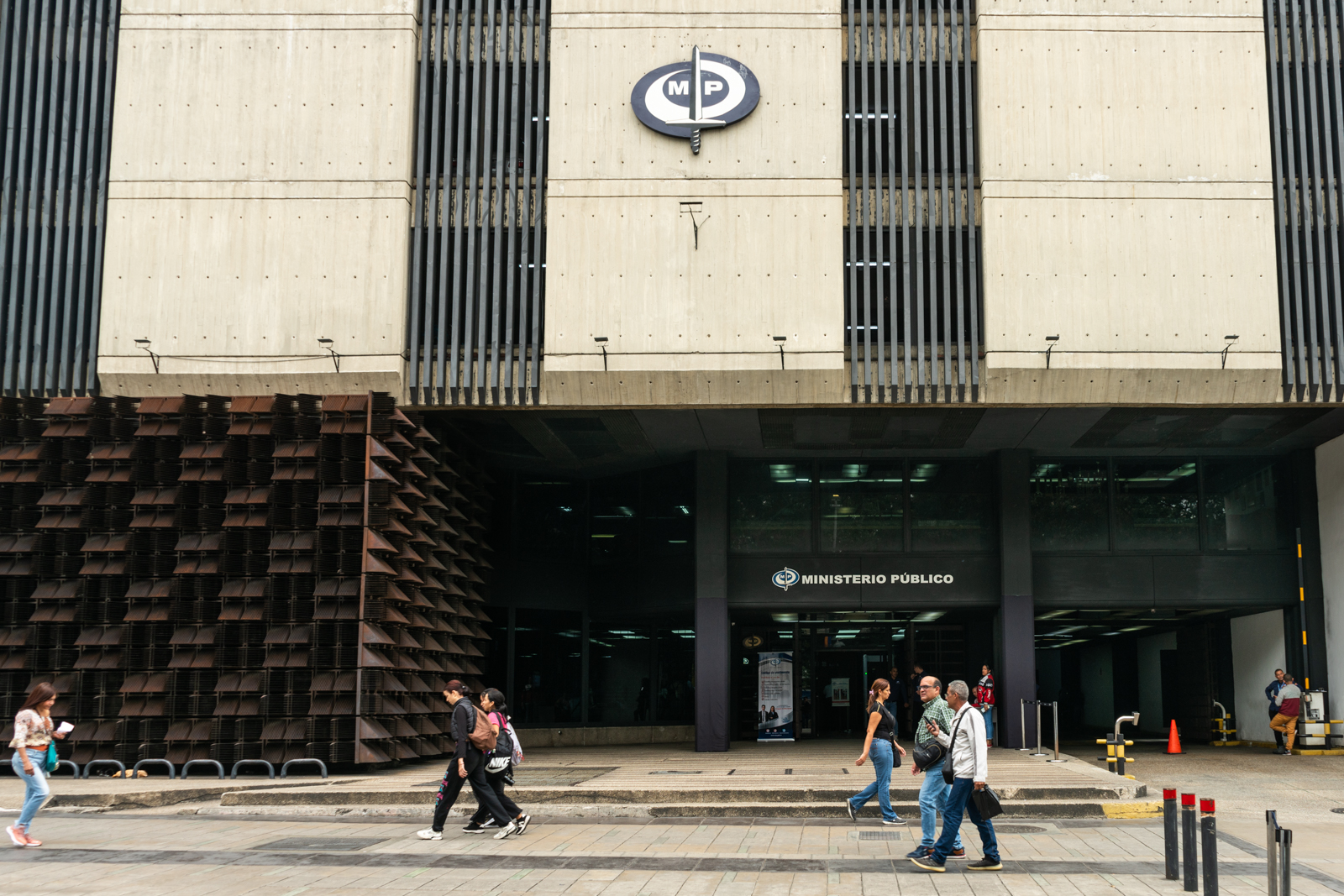
Across both opposition and government‑aligned narratives, there is recognition that the case involves serious questions about institutional performance, particularly within the penitentiary system, the Public Ministry, and the Ombudsman's Office. Coverage on both sides notes that the Ombudsman's Office expressed regret, offered condolences, and formally called for an exhaustive, independent and transparent investigation to clarify the circumstances and determine responsibilities. Reports also concur that the Public Ministry has opened a criminal investigation, and that human rights organizations and legal specialists are invoking existing legal powers of the Ombudsman's Office and constitutional duties of the state toward detainees. Both perspectives situate the incident within a broader context of calls for institutional reform, stronger human rights guarantees, and clearer protocols for notifying families and reporting deaths or disappearances in custody.
Areas of disagreement
Responsibility and blame. Opposition‑aligned sources frame Quero’s death as a state crime or at minimum the direct result of systemic abuse, emphasizing that the Venezuelan state had constitutional custody over his life and concealed his fate from his family. Government‑aligned outlets, while acknowledging institutional failings and procedural irregularities, tend to portray it as an individual tragedy tied to health complications, stressing that an investigation has been opened to identify specific officials who may be responsible. Opposition coverage amplifies statements from parties like Primero Justicia and Copei that accuse the “regime” as a whole, whereas government‑aligned narratives are more likely to compartmentalize responsibility to specific agencies or unnamed functionaries rather than the political leadership.
Characterization of the disappearance. Opposition sources often describe the period during which Quero’s whereabouts were denied or obscured as a forced disappearance, stressing that his mother was systematically misled in courts and prisons and that the state only acknowledged his death after prolonged public pressure. Government‑aligned coverage, while noting the long gap, tends to avoid the term “forced disappearance” and instead speaks of bureaucratic opacity, institutional contradictions or failures in record‑keeping and communication. For the opposition, the burial without family notification exemplifies an intentional policy of concealment, whereas government‑leaning narratives more cautiously describe this as a grave irregularity to be clarified by ongoing inquiries.
Nature of official responses and reforms. Opposition‑aligned media highlight official statements as insufficient and cosmetic, underscoring demands by figures such as Delsa Solórzano and Edmundo González for full disclosure of medical records, prison logs and investigative files, and for broader accountability over political persecution. Government‑aligned outlets give more prominence to the Ombudsman’s and Public Ministry’s announcements, presenting the opening of a criminal investigation and calls for institutional reconstruction as evidence that the system can self‑correct. The opposition frames these moves as reactive, driven by NGO pressure and international scrutiny, while government‑aligned coverage tends to depict them as proactive steps within existing legal frameworks to strengthen human rights protections.
Broader political framing. Opposition sources place Quero’s death squarely within a narrative of systematic repression of political opponents, linking it to patterns of torture, denial of amnesty and prior cases of deaths in custody to argue that the regime uses the justice and prison systems as tools of persecution. Government‑aligned media are more likely to treat the case as one serious incident among broader governance challenges, mentioning it alongside other national news and focusing on technical legal debates about the powers of the Ombudsman and prosecutors rather than on the political character of his detention. For the opposition, Quero’s story is a symbol of a broader authoritarian dynamic, whereas government‑aligned coverage emphasizes institutional debate, legal procedure and incremental reform over regime‑level condemnation.
In summary, opposition coverage tends to frame Víctor Hugo Quero’s death as a deliberate state crime and emblematic of systematic political repression and enforced disappearances, while government-aligned coverage tends to stress procedural failures, health causes, and the responsiveness of institutions through investigations and promised reforms.