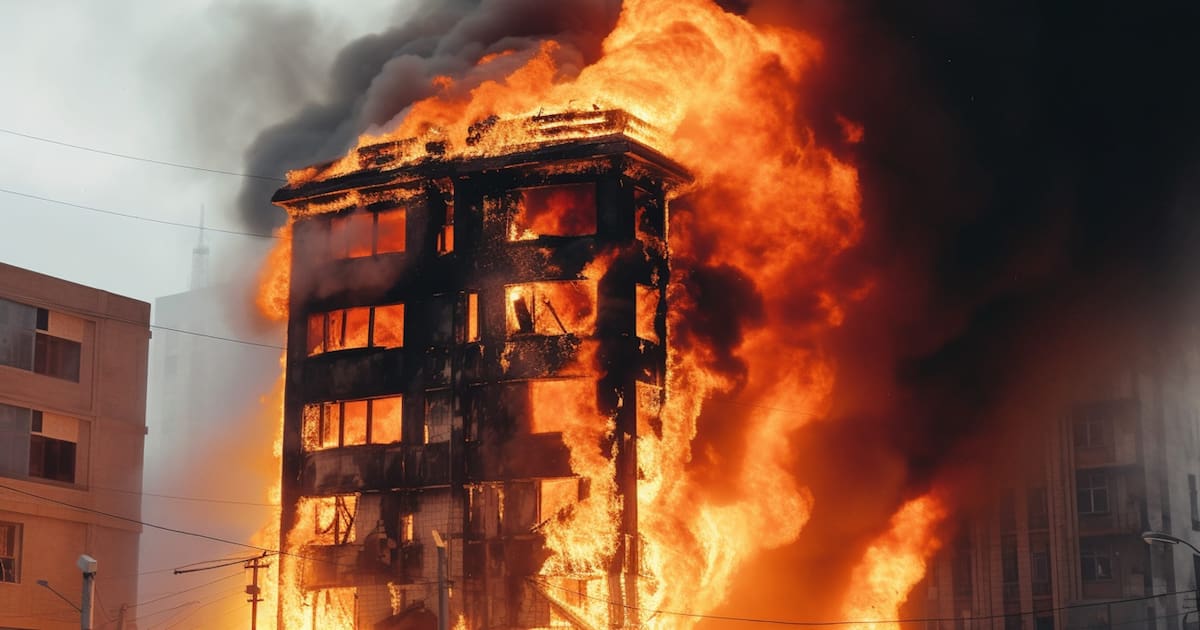
Journalist Yolaine Díaz, a 48-year-old Dominican reporter, and her 73-year-old mother, Ana Mirtha Lantigua, died in a multi-alarm fire in a residential apartment building in the Inwood neighborhood of northern Manhattan. Both opposition and government-aligned coverage agree that the blaze started on the first floor of the building, spread rapidly through the structure, and trapped Díaz and her mother as they tried to escape, contributing to a total of three fatalities, at least 14 injured residents, and the evacuation or displacement of around 100 people from the building.
Across outlets there is consensus that the incident has triggered an official investigation into the origin of the fire and whether safety regulations were properly followed. Reports converge on the notion that authorities are examining possible building code breaches, fire safety conditions, and the performance of emergency response, while simultaneously highlighting Díaz’s profile as a well-known Dominican journalist living in New York and the broader immigrant community’s shock and grief over the tragedy.
Areas of disagreement
Responsibility and blame. Opposition-aligned outlets emphasize potential building code violations and suggest that negligent landlords and weak enforcement by city authorities may have contributed to the severity of the fire, framing it as a preventable tragedy. In the absence of explicit government-aligned articles, such coverage would be more likely to stress regulatory failures and systemic oversight problems. Government-aligned narratives, by contrast, typically highlight the ongoing investigation, avoid assigning premature blame, and underscore that official agencies are following established procedures.
Institutional performance. Opposition coverage tends to question whether fire inspections, housing regulators, and municipal agencies adequately monitored the building before the incident, using the case to illustrate broader claims of underfunded or politicized oversight. Government-aligned reporting would more likely foreground the rapid deployment of firefighters, emergency medical teams, and social services for displaced residents, portraying institutional performance as largely effective despite the tragic loss of life. This framing downplays structural criticism and instead focuses on operational responsiveness.
Political and social framing. Opposition sources are inclined to connect the fire to broader themes such as inequality in immigrant-heavy neighborhoods, precarious housing conditions, and what they describe as government indifference toward low- and middle-income tenants. Government-aligned outlets would be more apt to frame it as an unfortunate but isolated incident, stressing community solidarity, official expressions of condolence, and individual heroism rather than systemic political failures.
Future reforms and accountability. Opposition reporting often uses such events to call for stricter building code enforcement, independent investigations, and political accountability for regulators and elected officials overseeing housing and safety. Government-aligned coverage, in contrast, tends to emphasize that existing laws are robust, that any needed adjustments will be handled technocratically after the investigation, and that authorities are already taking appropriate steps without the need for adversarial scrutiny or major structural changes.
In summary, opposition coverage tends to treat the fire as a symptom of deeper regulatory and political failings demanding accountability and reform, while government-aligned coverage tends to frame it as a tragic but exceptional event best addressed through orderly investigations and affirmation of existing institutions.