government-aligned
Petro Fuels Clash Between Government and District Over Regiotram del Norte: 'Bogotá Didn't Want to Go'
Gustavo Petro, President of Colombia Photo: Courtesy Minsalud
5 days ago
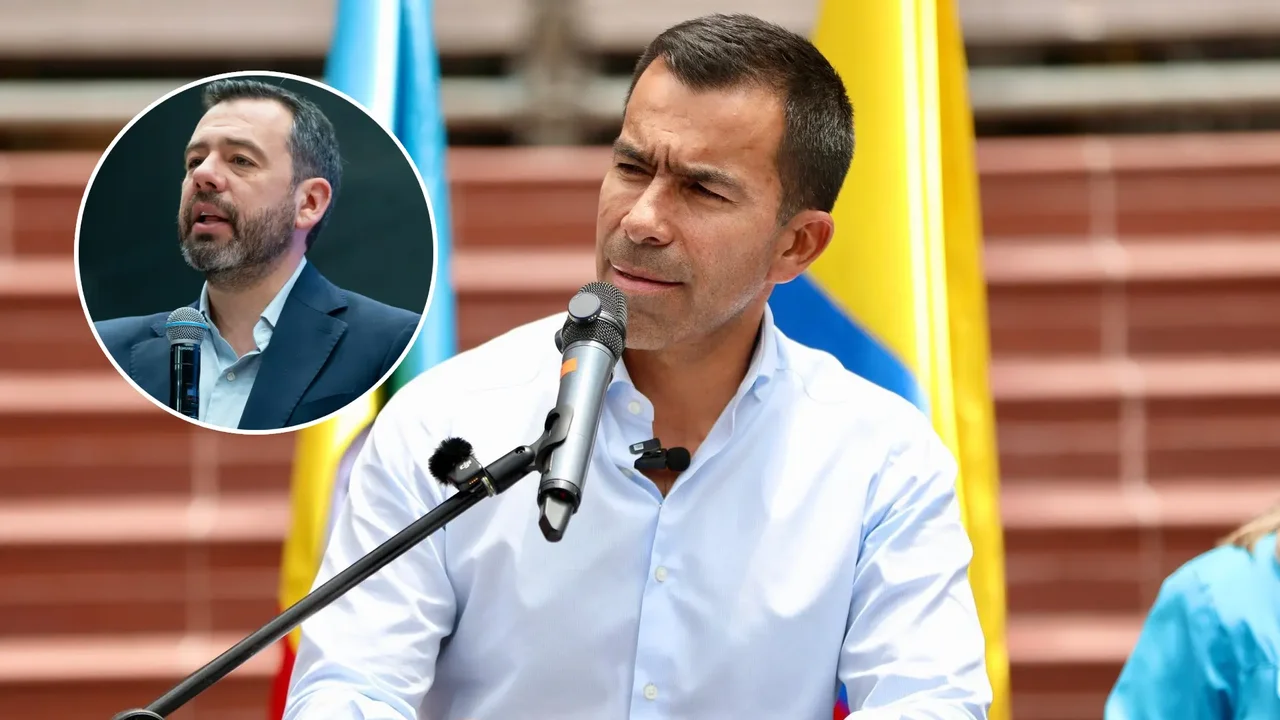
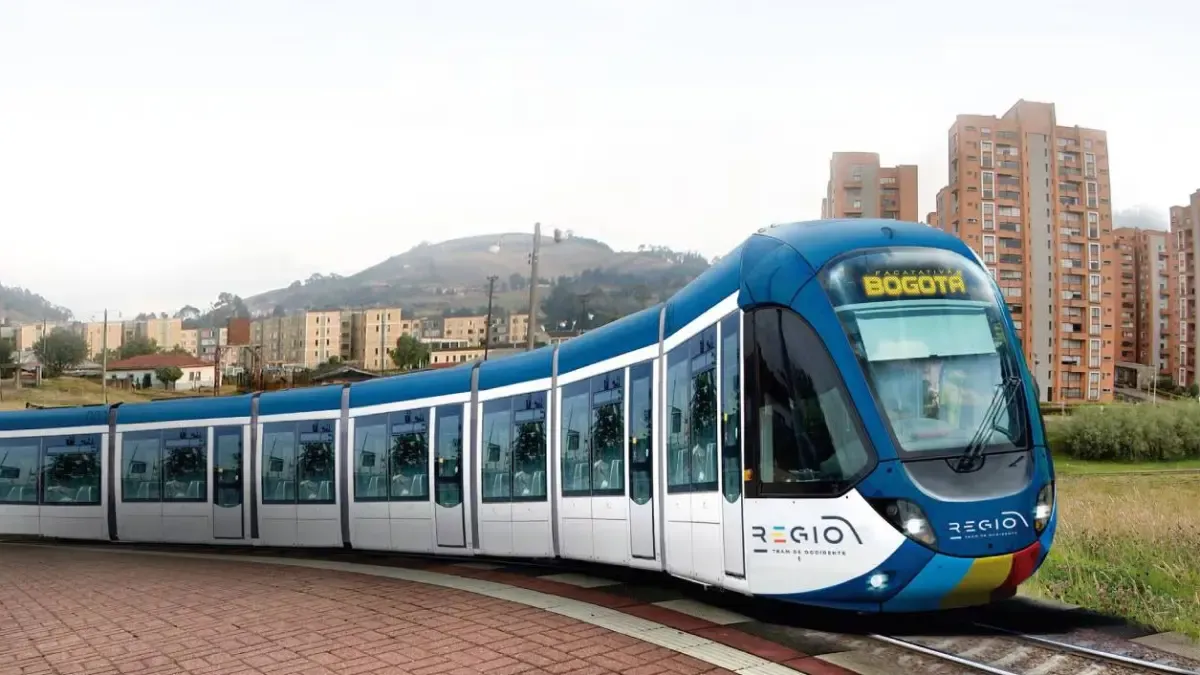
Regiotram del Norte is a planned 49‑kilometer, 100% electric regional rail system intended to connect Bogotá with municipalities such as Chía, Cajicá, and Zipaquirá, with projected operation around 2034. Recent coverage agrees that a new fiscal framework and Conpes 4190 modified the co‑financing scheme so that the Nation will now cover about 81.6% of the project’s cost and Bogotá will not appear as a co‑financing entity. Both sides report that this change followed months of technical discussions among the national government, the Governorate of Cundinamarca, and Bogotá’s Mayor’s Office, and that it has sparked a public clash among President Gustavo Petro, Bogotá mayor Carlos Fernando Galán, and Cundinamarca governor Jorge Emilio Rey over what was agreed and when.
Across outlets, there is also shared context that Regiotram del Norte is framed as a strategic mobility and climate project, expected to cut travel times by up to about an hour, reduce CO₂ emissions by tens of thousands of tons annually, and strengthen regional competitiveness. Media on both sides highlight that Colombia’s National Development Plan already prioritized this corridor, that the project has been technically structured for several years with Bogotá’s participation, and that the current dispute arises amid complex institutional coordination among the national government, Bogotá’s district administration, and the Cundinamarca departmental government. There is broad agreement that disagreements over urban integration, intersections, and funding for local access infrastructure are central technical issues, even if the political interpretation of those issues differs.
Responsibility and blame. Opposition‑aligned sources tend to say that the national government unilaterally pushed Bogotá out of the co‑financing scheme and is now blaming the city to avoid accountability for delays or design flaws. Government‑aligned outlets emphasize Petro’s claim that Bogotá “didn’t want to go,” portraying the district as having withdrawn itself by overloading the project with new conditions. While opposition narratives frame Galán’s surprise as evidence that the Conpes was sprung on the city, government‑aligned reporting underscores that Bogotá had participated for years and suggests the mayor moved the goalposts late in the process.
Nature of Bogotá’s objections. Opposition coverage generally characterizes Bogotá’s technical concerns—about elevated sections, unresolved intersections, and insufficient funding for pedestrians and cyclists—as legitimate urban‑integration requirements that were ignored in a rush to secure a political win. Government‑aligned reporting, by contrast, tends to present these same objections as late, expansive demands that complicate a project whose earlier observations from Bogotá had already been addressed. Opposition‑leaning narratives highlight the risk and safety dimensions of the city’s requests, while government‑aligned outlets stress project continuity and argue that insisting on full integration at this stage is a pretext for distancing the district financially.
Interpretation of the Conpes change. Opposition‑oriented outlets portray Conpes 4190 as a top‑down reconfiguration that sidelines Bogotá, increases overall fiscal and execution risk, and concentrates decision‑making in the hands of the national government and Cundinamarca. Government‑aligned media frame the same Conpes as a pragmatic solution that saves the project by allowing the Nation to assume Bogotá’s share and keep the timeline on track. Where opposition narratives see the exclusion of the district as institutional weakening of Bogotá’s role in regional planning, government‑aligned narratives present it as proof of national commitment in the face of what they describe as the city’s reluctance or indecision.
Political motivations. Opposition coverage often implies that Petro and the Cundinamarca governor are politicizing Regiotram del Norte to box in Galán, casting the clash as part of a broader struggle over Bogotá’s autonomy and the capital’s transport model. Government‑aligned outlets tend instead to suggest that Galán is using technical arguments to shield himself from the political cost of co‑financing and to maintain flexibility for his own transport priorities in Bogotá. While opposition narratives stress institutional respect and due process that they say were breached, government‑aligned narratives emphasize leadership and decisiveness by the central government against what they describe as obstruction or hesitation by the district.
In summary, opposition coverage tends to depict Bogotá as unfairly sidelined by a unilateral national decision and to treat the city’s technical conditions as necessary safeguards, while government-aligned coverage tends to present the district as having effectively opted out through escalating demands and to cast the national government’s assumption of costs as an act of responsibility that prevents the project from stalling.