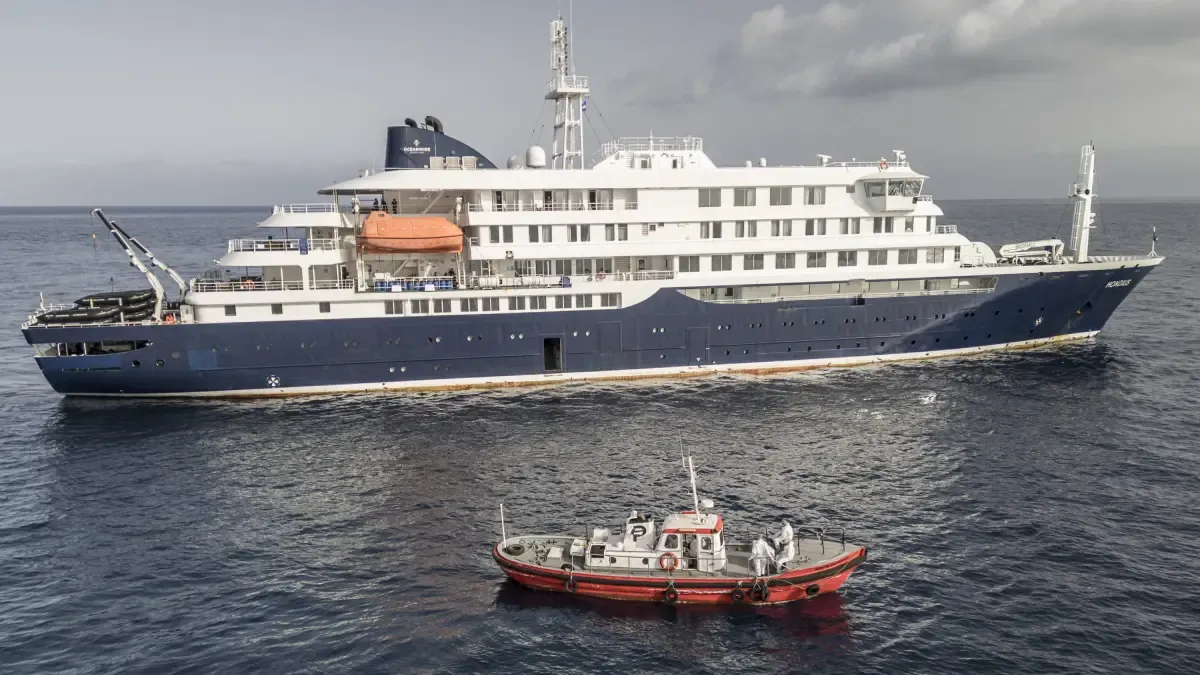
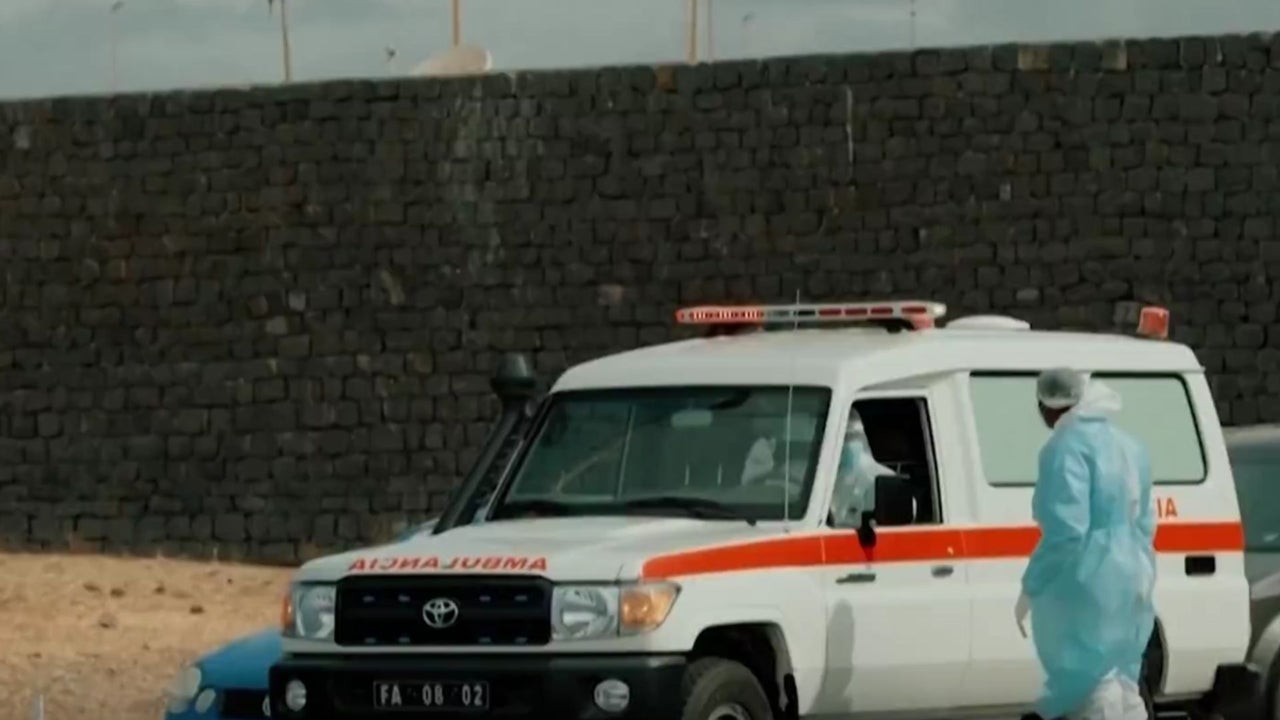
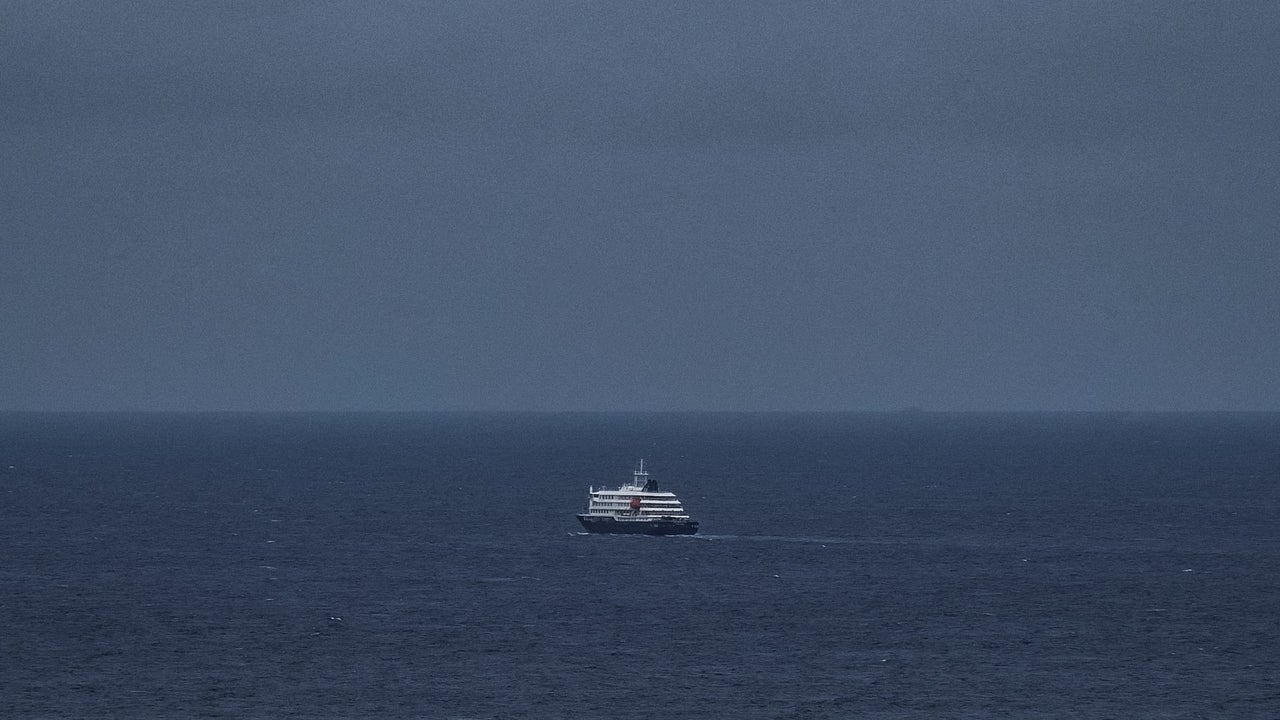
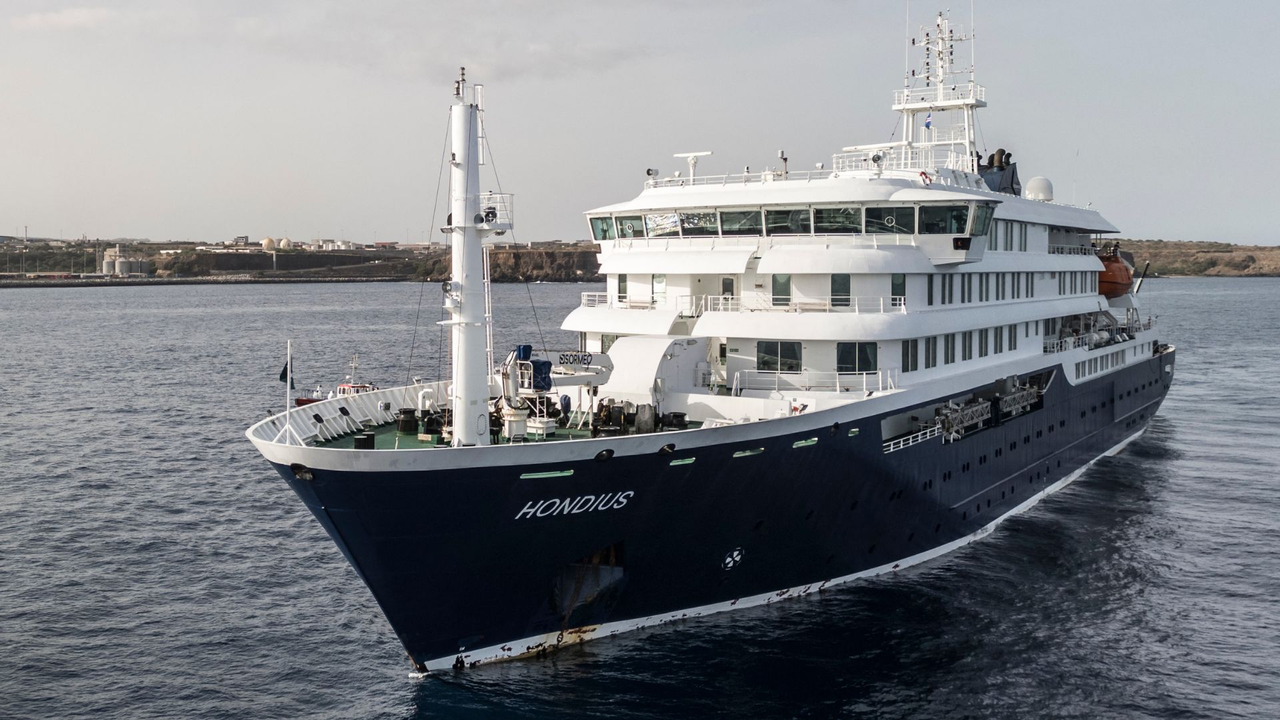
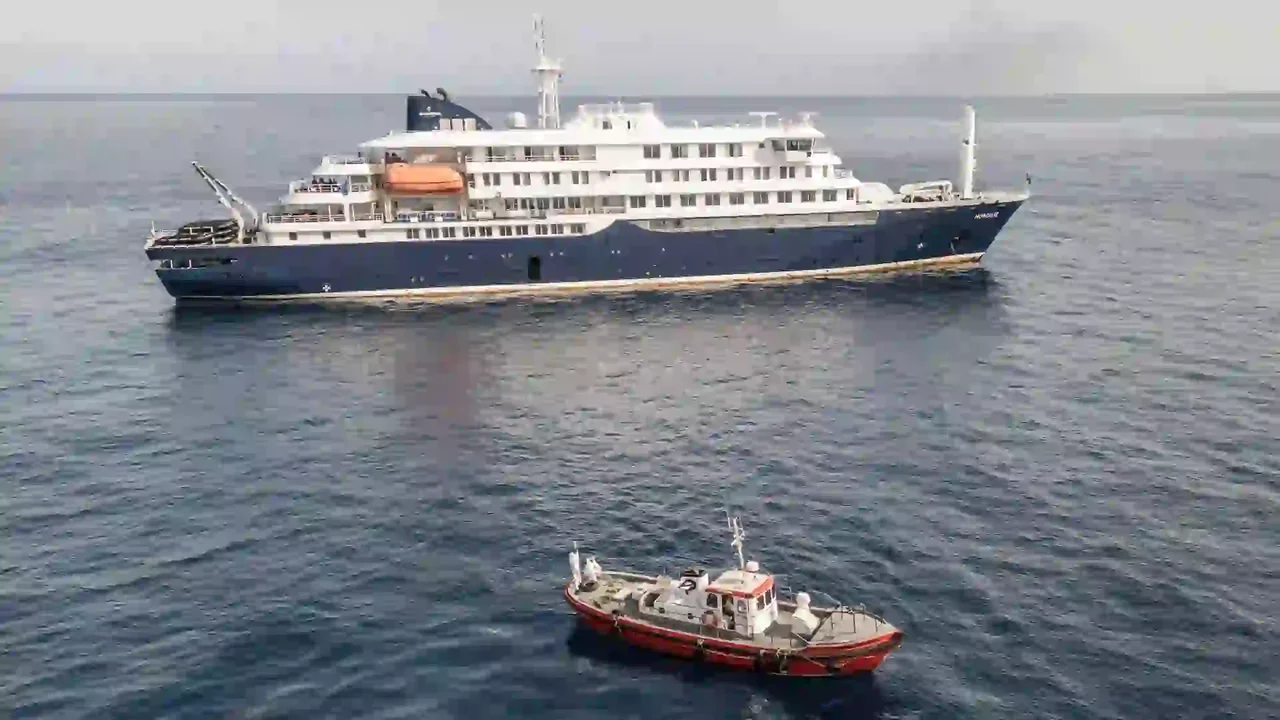
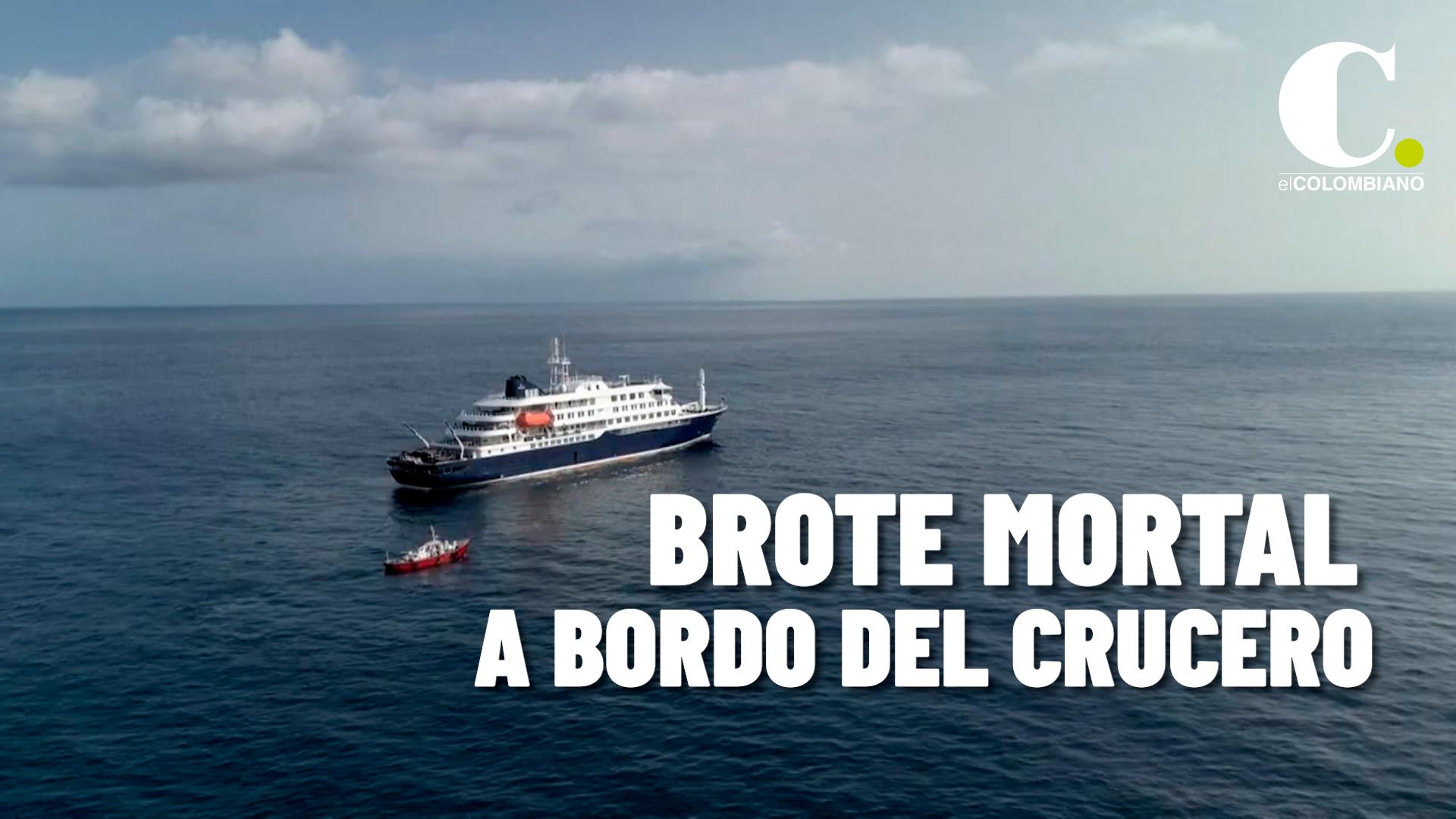
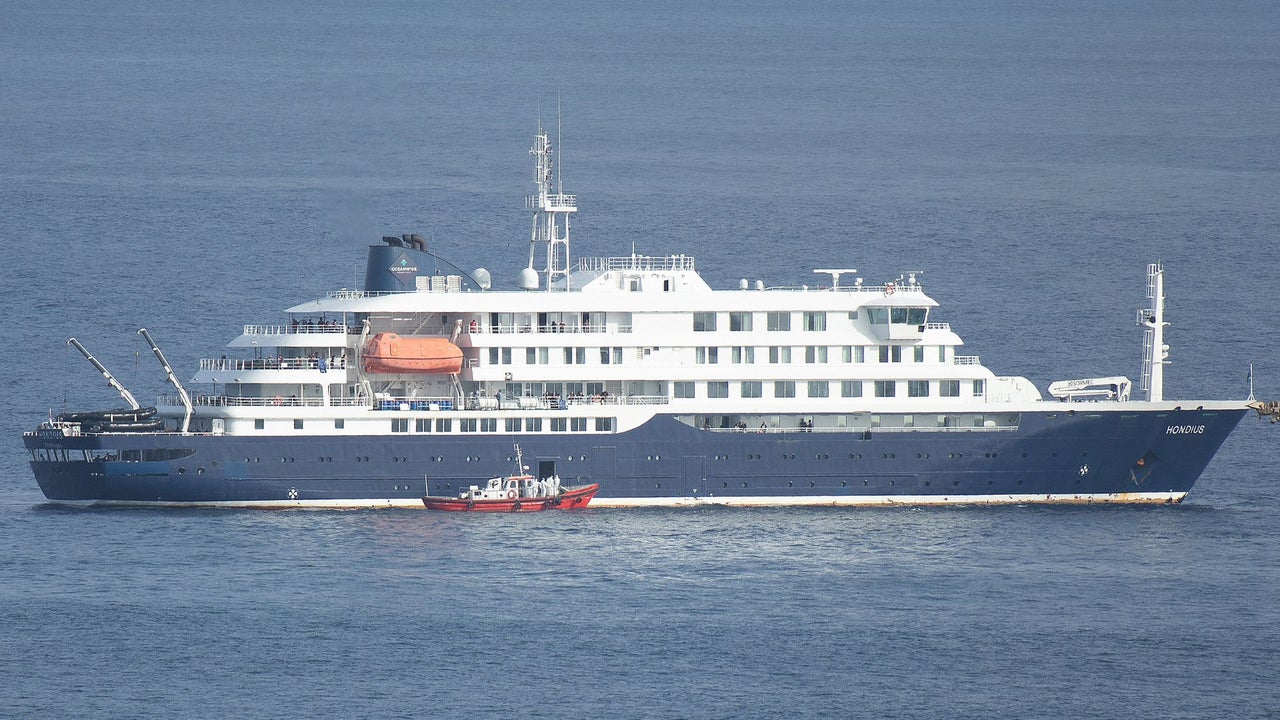
The opposition and government-aligned outlets agree that the MV Hondius cruise ship, operated by Oceanwide Expeditions, has experienced a hantavirus outbreak linked to the Andes strain, a variant capable of limited human-to-human transmission. Both sides report three deaths among passengers and a total of around seven confirmed or suspected cases, with two to three cases laboratory-confirmed, and acknowledge that the ship has been immobilized or quarantined off Cape Verde while arrangements are made for it to continue to the Canary Islands, particularly Tenerife. They concur that three infected or suspected patients, including at least one Dutch national and other European passengers or crew, are being medically evacuated to the Netherlands using specialized air ambulances, and that the World Health Organization is coordinating aspects of the response, including evacuation logistics and discussions with European authorities, especially Spain and the EU. Coverage on both sides notes that several passengers traveled in South America before boarding, that at least one deceased passenger was later understood to have been infected before embarkation, and that a probable secondary case in France—linked to air travel with an infected passenger—marks spread beyond the ship.
Both opposition and government-aligned media agree that the Andes strain is unusual compared with other hantaviruses because it can be transmitted person-to-person in rare circumstances, generally requiring very close contact, and that it carries a high case-fatality rate, often cited around 40% in severe cases. They highlight that hantaviruses are typically rodent-borne, lack specific vaccines or curative treatments, and are managed primarily through supportive care and intensive monitoring, prompting heightened international vigilance even though the number of cases remains low. Both sides reference WHO experts and national health authorities as central actors in risk assessment, contact tracing, and surveillance, emphasizing that current evidence does not suggest a scenario comparable to the early phase of COVID-19 and that global risk is considered low despite the serious nature of individual infections. They situate the incident within broader hantavirus patterns, such as recurring but usually localized cases in South America and periodic upticks in Argentina, and stress that the closed, cruise-ship environment and international itineraries have turned an otherwise geographically limited zoonotic disease into a matter of global health coordination and travel policy.
Areas of disagreement
Risk framing and global threat. Opposition outlets tend to emphasize the "global alert" dimension, highlighting the first suspected secondary case in Europe and the Andes strain’s high mortality to suggest that authorities may be underplaying a potentially serious emerging threat. Government-aligned coverage, while not denying severity, repeatedly foregrounds WHO assurances that the global risk is low and explicitly contrasts the situation with COVID-19 to calm fears. Opposition narratives spotlight the rare human-to-human transmission and cruise-ship setting as red flags for wider spread, whereas government-aligned stories frame these as manageable risks within established infectious-disease protocols.
Responsibility and blame. Opposition-aligned media focus on ruling out specific localities—such as Ushuaia or Cape Verde—as the source, underscoring that authorities there complied with health protocols and that infections likely originated before boarding or off-ship, thus implicitly questioning cruise operator practices and early international coordination. Government-aligned outlets place less emphasis on exonerating ports and instead stress cooperative actions by Spain, the EU, and WHO, casting the response as a coordinated, lawful, and humanitarian effort rather than a failure of any given state. Opposition pieces also highlight political friction, for example between Spanish regional and central governments over receiving the ship, while government-friendly reports cast Spain’s agreement to host the vessel and manage patients as evidence of responsible state leadership.
Transparency, communication, and preparedness. Opposition reporting stresses gaps in early information, including confusion among passengers and delays in recognizing and declaring the onboard outbreak, suggesting systemic weaknesses in cruise-industry protocols and cross-border alert systems. Government-aligned coverage acknowledges passenger confusion but situates it as part of an evolving and complex clinical picture, emphasizing that once the Andes virus was identified, authorities moved quickly with evacuations, quarantine, and international coordination. While opposition outlets connect the episode to broader concerns about underprepared institutions and contested decision-making, government-aligned stories portray the same timeline as proof that existing surveillance and emergency mechanisms are functioning as intended.
Broader political and public-health context. Opposition sources integrate the outbreak into narratives of wider governmental mismanagement, referencing tensions within Spain and highlighting rising hantavirus case counts in countries like Argentina to argue that structural vulnerabilities are being downplayed. Government-aligned media, by contrast, use those same epidemiological figures to argue that current patterns remain within expected ranges and point to historical outbreaks like Epuyén to show this is not an unprecedented failure but a known, monitored risk. Opposition coverage tends to imply that international agencies and national governments are reactive and politically constrained, whereas government-friendly outlets foreground institutional expertise and procedural normalcy, stressing that no emergency committee or extraordinary reform is currently warranted.
In summary, opposition coverage tends to frame the MV Hondius incident as a politically charged global alert that exposes gaps in transparency, preparedness, and intergovernmental coordination, while government-aligned coverage tends to present it as a serious but contained health event managed through established international mechanisms, with low systemic risk and largely responsible state action.