government-aligned
Countdown to EXPOPYME 2026
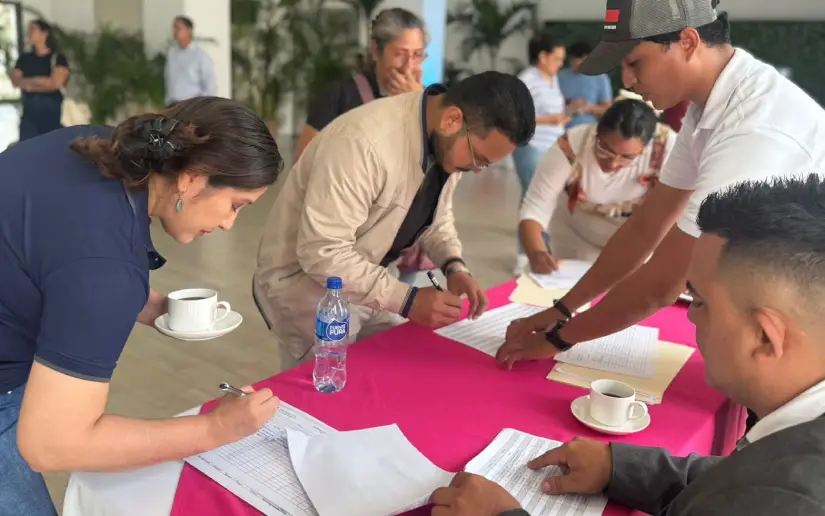
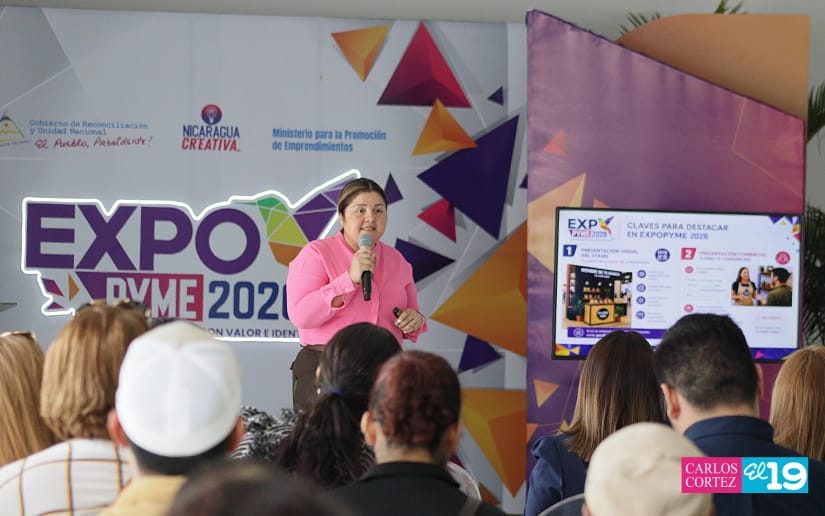
The Ministry for the Promotion of Entrepreneurships is moving forward with enthusiasm and commitment in the preparations for the 8th Edition of EXPOPYME 2026.
5 days ago
Preparations are underway for the eighth edition of EXPOPYME 2026 in Nicaragua, scheduled to take place from May 15 to 17 and bringing together more than 130 national businesses. The event, themed “Transforming with Value and Identity,” will showcase small and medium enterprises from sectors such as textiles, crafts, and gastronomy, and will be held with the participation of Managua business leaders and exhibitors like Joyería Gaviota, who expect increased visibility and commercial opportunities.
Across coverage, EXPOPYME is framed as a platform to promote national production, encourage commercial exchange, and strengthen the economy of Nicaraguan families through SME growth and business linkages. The fair is also linked to seasonal consumer demand, including Mother's Day shopping, and is described as involving coordination among government institutions and private-sector actors to support entrepreneurship, knowledge exchange, and value-added production under a unifying national-identity theme.
Characterization of the event. Government-aligned outlets portray EXPOPYME 2026 as a flagship, well-organized national showcase that embodies the theme of value and identity and demonstrates institutional commitment to small businesses, while opposition sources are likely to describe it more skeptically as a highly publicized trade fair whose scale and impact may not match official rhetoric. Pro-government narratives emphasize the number of exhibitors, the diversity of sectors, and the festive elements such as gastronomy and Mother's Day shopping, whereas critical outlets tend to question whether such events truly transform production models or mostly serve as political spectacle. Where government media stress optimism among brands like Joyería Gaviota and highlight positive expectations, opposition coverage typically foregrounds doubts about long-term benefits and inclusiveness.
Economic impact and beneficiaries. Government-aligned coverage underscores EXPOPYME as a concrete mechanism to strengthen family economies, open markets, and generate new business linkages for SMEs across the country, presenting it as part of a broader strategy to support entrepreneurship. Opposition media, in contrast, often argue that these benefits are concentrated among politically connected or already-established micro and small businesses, raising concerns that informal sellers and independent entrepreneurs remain excluded. While official narratives highlight job creation and export potential, opposition narratives stress structural obstacles such as limited credit, high input costs, and constrained purchasing power, suggesting that a three-day expo cannot offset deeper economic pressures.
Role of the state and institutions. Government-aligned outlets describe the Ministry for the Promotion of Entrepreneurships and other state bodies as proactive facilitators, emphasizing coordinated planning, training, and institutional backing that allegedly make EXPOPYME possible. Opposition sources tend to frame the same institutional presence as top-down control, arguing that participation often depends on political loyalty or bureaucratic filters, and that independent business chambers or critical associations have little real voice in the event’s design. Thus, where pro-government media present the state as an enabling partner for SMEs, critical media question whether the institutional framework is genuinely supportive or primarily oriented toward legitimizing the current administration.
Narrative about the broader business climate. Government-aligned reporting integrates EXPOPYME into a story of economic recovery and resilience, suggesting that such fairs signal confidence among Managua business leaders and a stable environment for investment and entrepreneurship. Opposition outlets, by contrast, typically situate the expo within a more negative macroeconomic and political context, pointing to issues like limited foreign investment, regulatory uncertainty, and broader governance concerns that they say constrain real SME growth. As official coverage uses EXPOPYME to symbolize national progress and social cohesion, opposition narratives often argue that isolated showcase events cannot mask underlying institutional and rights-related problems affecting the private sector.
In summary, opposition coverage tends to question the depth, inclusiveness, and broader economic significance of EXPOPYME 2026 and to situate it within a critical view of Nicaragua’s business and political climate, while government-aligned coverage tends to present the expo as a successful, inclusive, and emblematic initiative of state-supported entrepreneurship that strengthens family economies and national identity.