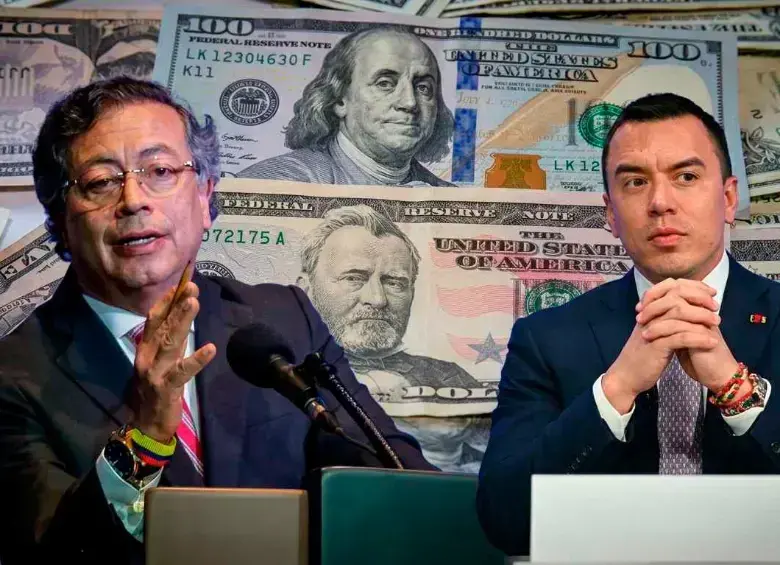
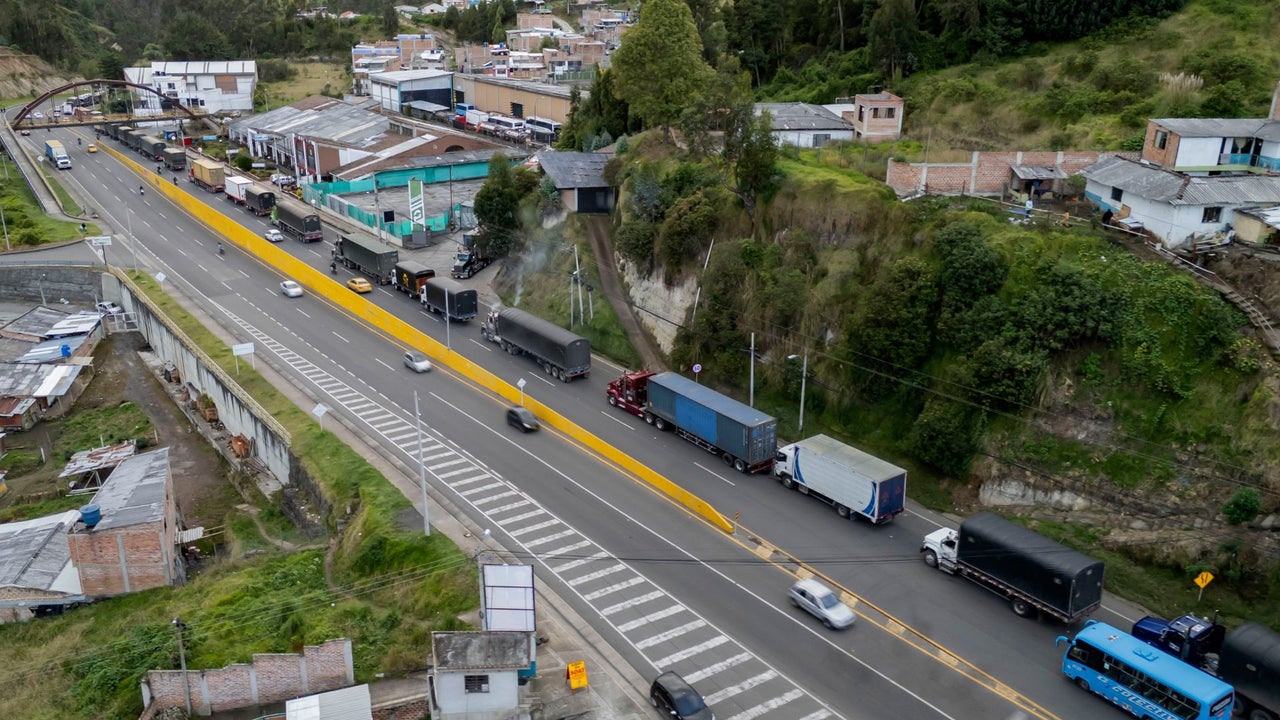
Ecuador and Colombia are reported by both opposition and government‑aligned outlets to be in the process of de‑escalating a tariff conflict through a decision by Ecuador to reduce its "security tax" on Colombian imports from 100% to 75%. Both sides agree that this measure is framed by Quito as a step toward reviving bilateral trade, encouraging joint security initiatives along the shared border, and easing the economic strain on border communities that have suffered from disrupted commerce during the tariff escalation.
Coverage from both camps also concurs that the "security tax" was introduced and then raised earlier in 2026 in response to Ecuador’s stated security concerns related to cross‑border criminality, including drug trafficking and illegal mining. They similarly describe the move as part of a broader attempt to restore or improve diplomatic relations and border cooperation, with the expectation that the tariff adjustment could pave the way for more structured security coordination and a more stable institutional framework for trade between the two countries.
Areas of disagreement
Motives and credit. Opposition‑aligned sources emphasize domestic political actors in Colombia, such as Paloma Valencia, claiming that pressure from the Colombian opposition and diplomatic outreach forced Ecuador to ease the measure, casting the reduction as a response to Colombian political firmness. Government‑aligned outlets instead present the decision as a sovereign, technocratic adjustment by Ecuador driven by its own security assessments and economic logic, downplaying or ignoring claims that Colombian politicians directly influenced the outcome.
Framing of security narrative. Opposition coverage tends to question the original justification for the steep tariff hikes, suggesting that Ecuador’s security rationale was overstated or intertwined with ideological and political clashes between the two governments and used as a pretext that harmed legitimate trade. Government‑aligned media largely accept and reiterate Ecuador’s narrative that the tax was a necessary response to Colombian non‑cooperation against criminal groups, portraying the reduction as a calibrated, good‑faith move contingent on improved collaboration.
Impact and responsibility for the crisis. Opposition outlets underscore the negative economic impact on border towns and traditional trade flows, attributing the worst distortions to Ecuador’s unilateral escalation and characterizing Colombia’s reciprocal measures as reluctant and defensive. Government‑aligned reports, while acknowledging economic harm, stress Colombia’s role in triggering the crisis by failing to adequately combat cross‑border crime, presenting Ecuador’s tariff as a pressure mechanism rather than the primary cause of the disruption.
Prospects for normalization. Opposition reporting strikes a more cautious tone about the future, implying that a 75% tax still represents a heavy barrier and that true normalization requires further reductions and clearer guarantees of stable, non‑ideological relations. Government‑aligned coverage is more optimistic, treating the step from 100% to 75% as a meaningful de‑escalation that opens the door to broader security agreements and a gradual return to pre‑crisis trade conditions if Colombia responds constructively.
In summary, opposition coverage tends to frame the tariff reduction as a partial and politically pressured retreat by Ecuador that still leaves trade heavily burdened, while government-aligned coverage tends to depict it as a responsible, sovereign adjustment that rewards or incentivizes better bilateral security cooperation.