government-aligned
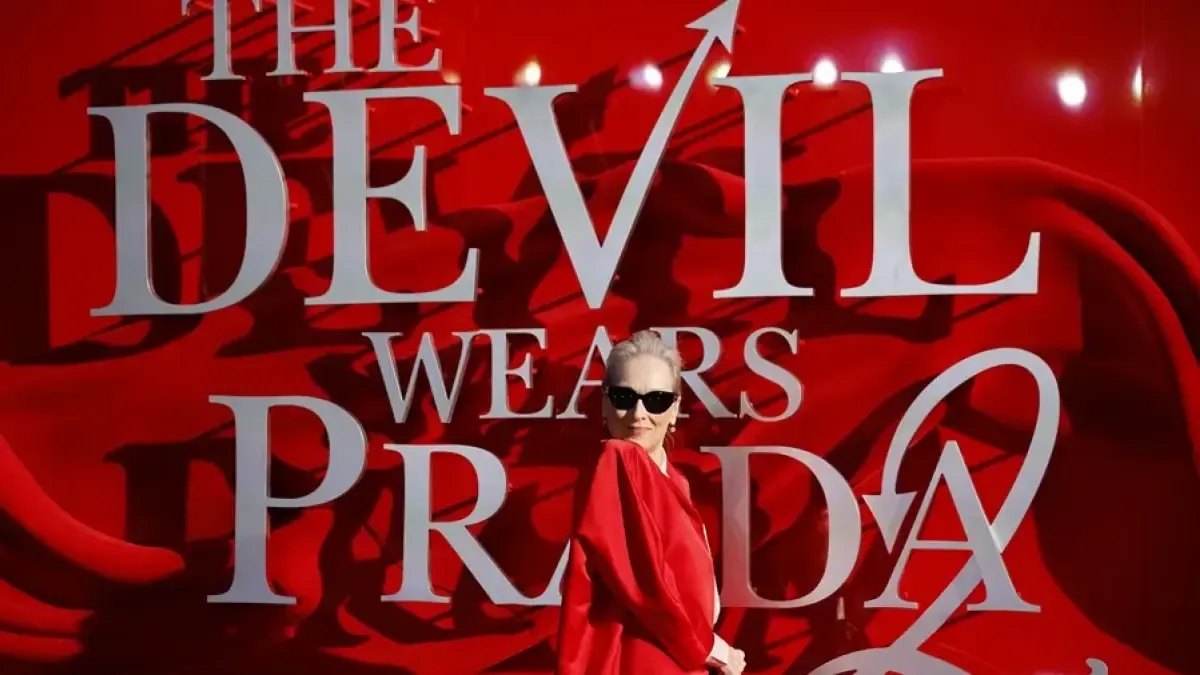
'The Devil Wears Prada 2' Dominates Box Office with US$233 Million Global Premiere
American actress Meryl Streep at the premiere of 'The Devil Wears Prada 2' in London on April 22. Photo: EFE
6 days ago
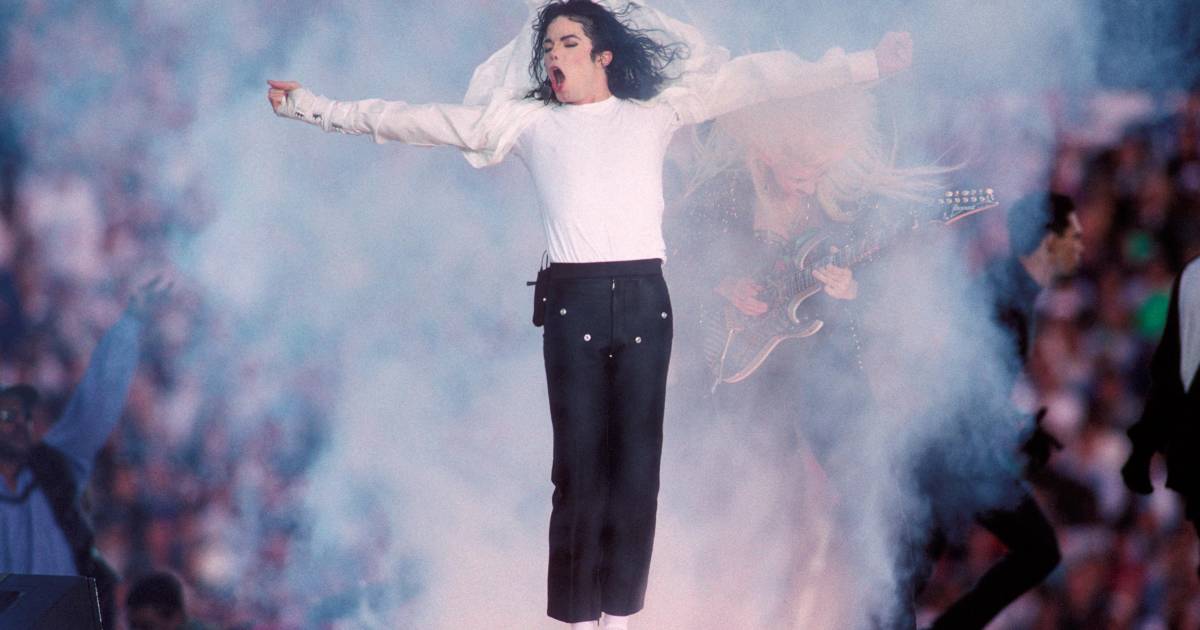
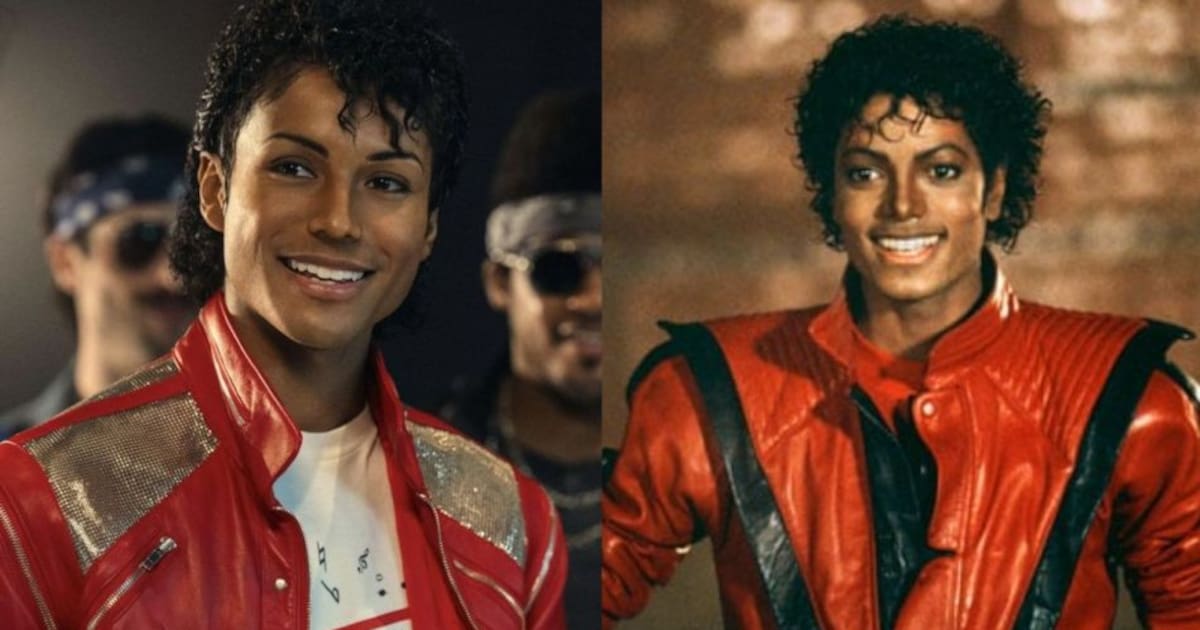
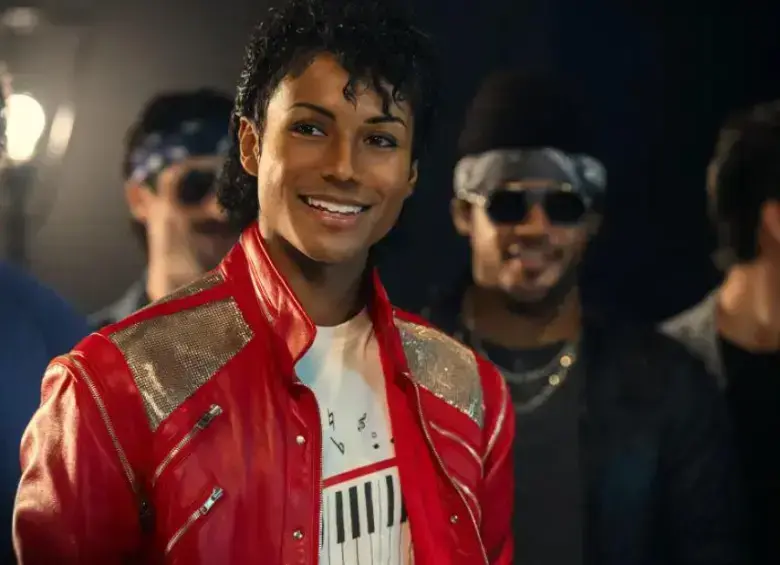
The biopic 'Michael', centered on the life and career of Michael Jackson, has become a major box-office success, with opposition-aligned outlets highlighting that it grossed around $217 million in its first week worldwide, marking the strongest opening ever for a musical biopic. These sources note that the film stars Jaafar Jackson as his uncle, offers a lavish musical and visual recreation of Jackson’s performances, and closes with an explicit narrative cue implying that the story could continue, which, combined with the strong receipts, has prompted Lionsgate executives to publicly discuss the likelihood of a sequel and early-stage planning, albeit with some scheduling constraints for key creative figures.
Opposition-aligned coverage also agrees that the film is catalyzing a renewed wave of interest in Michael Jackson’s catalog, citing sharp jumps in streaming numbers—in Colombia, a 70% increase in streams, an 88% rise in playlist additions, and a notably young profile of new listeners, most under 34, while globally more than a dozen songs, including 'Billie Jean' and 'Beat It', have re-entered Spotify charts decades after release. Both sides’ coverage situates this within a broader cycle of nostalgia-driven franchises and legacy-artist projects, where successful films or sequels reinvigorate intellectual properties, with studios and distributors quick to explore follow-ups and cross-media synergies when initial audience response and revenue milestones are strong.
Framing of success. Opposition-aligned outlets frame 'Michael' as a standout box-office and cultural event, emphasizing its record-breaking opening for a musical biopic and the surge in streaming as evidence of powerful audience engagement across generations. Government-aligned coverage, by contrast, downplays 'Michael' by stressing that 'The Devil Wears Prada 2' rapidly overtook it, presenting the latter’s US$233 million global premiere as the more significant benchmark of market dominance and franchise strength.
Cultural impact versus market hierarchy. Opposition sources stress the film’s role in “rebirthing” Michael Jackson’s cultural presence, describing a renewed artistic appreciation, emotional resonance, and discovery of his work by younger listeners as the key legacy of the biopic’s success and rationale for a sequel. Government-aligned reporting instead foregrounds the market hierarchy in which 'Michael' briefly held first place but was quickly overshadowed, using box-office rankings and international chart-topping for 'The Devil Wears Prada 2' to argue that other franchises wield equal or greater cultural relevance and commercial pull.
Narrative focus on controversy. Opposition-aligned coverage notes that the film’s handling of long-standing accusations against Jackson is controversial but treats this mainly as a background critique to an otherwise celebratory portrayal focused on artistry, personal struggle, and family dynamics, with the possibility of a sequel seen as a way to further humanize and artistically contextualize his life. Government-aligned sources, while not detailing the accusations, implicitly shift attention away from this debate by not engaging with the film’s content at all and instead reframing the conversation around the cleaner, less contested nostalgia of a fashion-comedy sequel that can be marketed without such reputational risks.
Strategic implications for studios. Opposition outlets portray Lionsgate’s readiness to consider a 'Michael' sequel as a bold bet on a music-biopic model that can continue to generate both box-office and catalog streaming gains, even if scheduling and controversy pose challenges. Government-aligned coverage uses the comparison with 'The Devil Wears Prada 2' to imply that studios may see more predictable, globally scalable returns in established narrative franchises than in polarizing artist biopics, subtly suggesting that future investment may tilt toward IP like fashion comedies with proven cross-market appeal rather than contested musical icons.
In summary, opposition coverage tends to elevate 'Michael' as a defining commercial and cultural success that justifies sequel planning and signals a broad revival of interest in Jackson’s work, while government-aligned coverage tends to reposition that success as transient and secondary to the superior box-office clout and safer nostalgia appeal of competing franchise sequels like 'The Devil Wears Prada 2'.