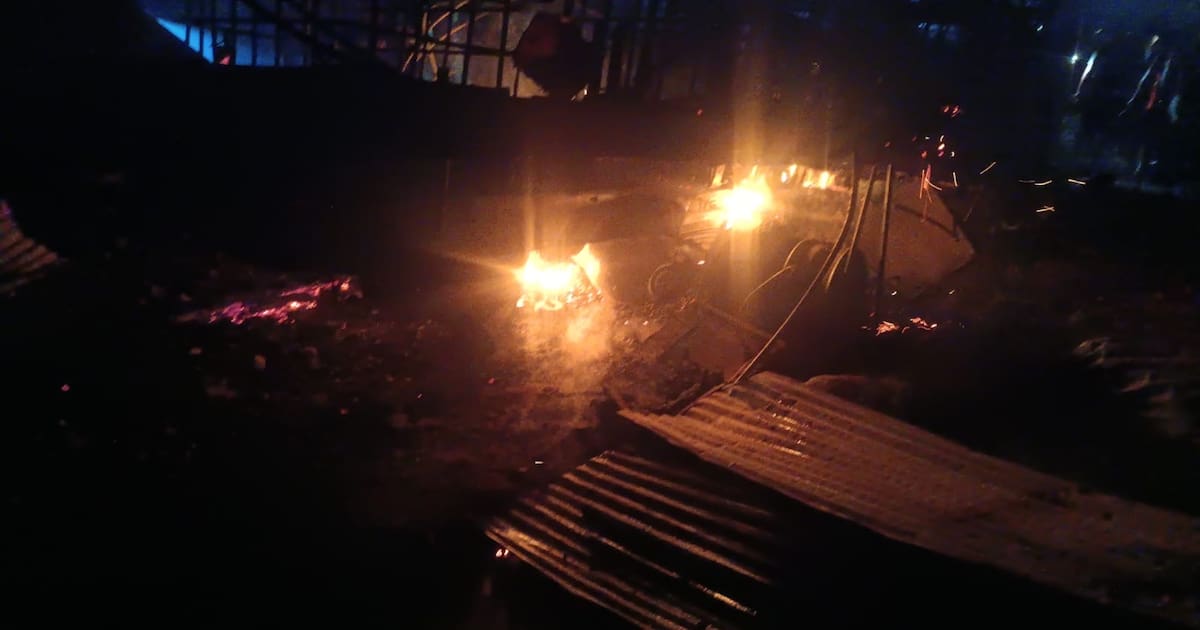
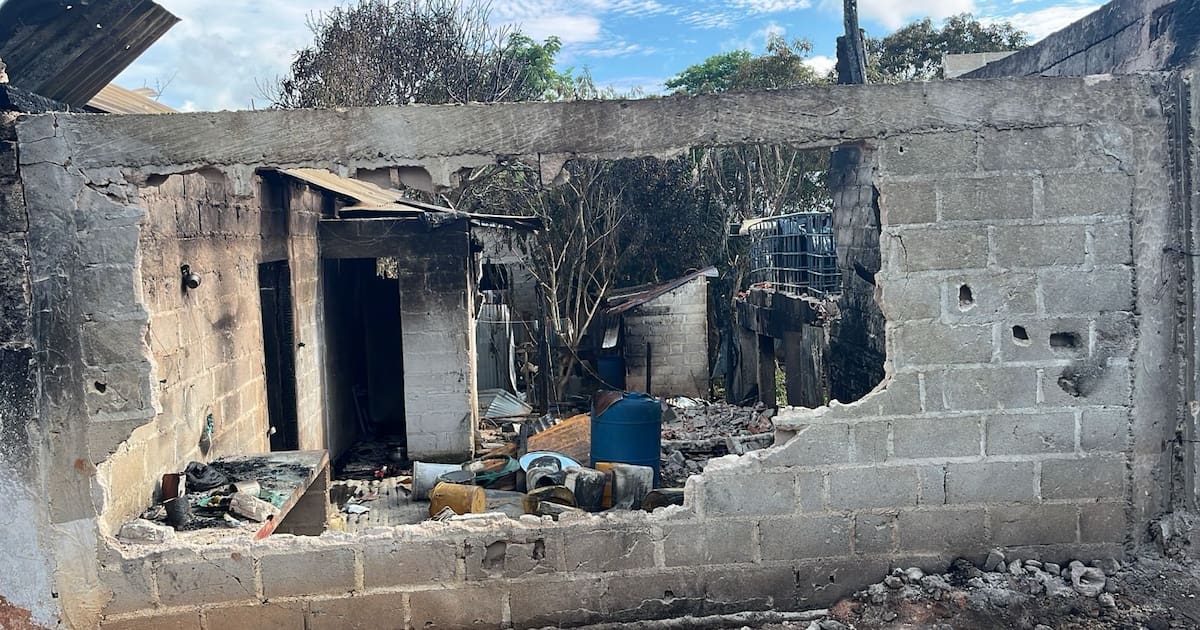
A fire in the corregimiento of Puerto Rico, in the municipality of Tiquisio, Bolívar, broke out on May 2 in the 11 de Noviembre neighborhood and rapidly spread through a cluster of nearby homes. Opposition-aligned sources agree that between seven and eight houses were destroyed or heavily damaged, a vehicle was consumed by the flames, and at least two people were injured, with roughly 15 families directly affected. These outlets concur that the local community had to respond immediately to the blaze because there is no stationed fire department in the area, and that the emergency overwhelmed residents as they tried to contain the fire while awaiting additional help. All coverage notes that local and departmental authorities later arrived on the scene to assess the damage and begin organizing assistance for those left homeless.
Across reported accounts, the fire is framed as a public emergency tied to structural vulnerabilities in Puerto Rico–Tiquisio, including limited emergency infrastructure and precarious housing conditions. There is agreement that authorities at the municipal and departmental levels have promised aid—such as humanitarian assistance, temporary shelter, and support for rebuilding—to the families who lost their homes, and that the condition of the two injured people is being monitored by health services. Coverage converges on the idea that the event exposes longstanding gaps in risk management, electrical safety, and fuel handling in rural Bolívar, and that institutional reforms or investments in basic services like fire protection and safer energy systems are necessary to prevent similar disasters. All sides also emphasize the solidarity of neighbors and local community networks, which were the first line of response before formal emergency systems could be activated.
Areas of disagreement
Origin and technical cause. Opposition-aligned outlets differ among themselves on what exactly triggered the fire, with one report attributing it to a power surge in the neighborhood’s electrical system and another emphasizing the explosion of a fuel truck as the immediate source. In the absence of clear government-aligned reporting, opposition narratives suggest that official versions are incomplete or evolving, implying that authorities have not provided a definitive, transparent technical explanation. Government-aligned coverage, where referenced indirectly, is portrayed by opposition sources as more cautious, focusing on ongoing investigations rather than assigning specific blame to electricity infrastructure or fuel transport operations.
Responsibility and state capacity. Opposition-aligned coverage underscores the lack of a local fire department as evidence of chronic state neglect in Tiquisio and rural Bolívar, using the incident to question the government’s investment in basic emergency services. These outlets stress that residents had to improvise the initial response, portraying this as a systemic failure rather than an isolated shortcoming. Government-aligned narratives, as described by opposition sources, are said to emphasize the rapid activation of official relief mechanisms and the later arrival of authorities, framing the response as adequate under challenging rural conditions rather than as proof of deep institutional weakness.
Political framing of aid. Opposition outlets acknowledge that the governor and local authorities have pledged humanitarian assistance, but they often frame these promises as reactive and insufficient, highlighting the scale of loss for the 15 affected families and the need for longer-term solutions. They question whether aid will be delivered in full and on time, sometimes hinting that past emergencies in similar areas have led to unfulfilled commitments. Government-aligned messaging, in contrast as reported by these sources, is described as foregrounding the speed and generosity of official aid announcements, portraying the assistance as evidence of a responsive administration rather than a damage-control exercise.
Broader policy implications. Opposition-oriented reports connect the fire to larger debates about rural inequality, infrastructure deficits, and energy safety, arguing the incident reflects structural policy failures at departmental and national levels. They tend to press for reforms such as establishing a permanent fire service, upgrading electrical networks, and enforcing stricter controls on fuel transport in populated areas. Government-aligned perspectives, as characterized by opposition outlets, are seen as more inclined to treat the event as a tragic but exceptional emergency, focusing on localized mitigation and short-term support rather than sweeping structural reforms that might imply deeper governmental responsibility.
In summary, opposition coverage tends to emphasize structural neglect, conflicting accounts of the fire’s cause, and skepticism about the sufficiency and follow-through of official aid, while government-aligned coverage tends to stress institutional responsiveness, ongoing investigations, and the adequacy of immediate relief within the constraints of a remote rural setting.