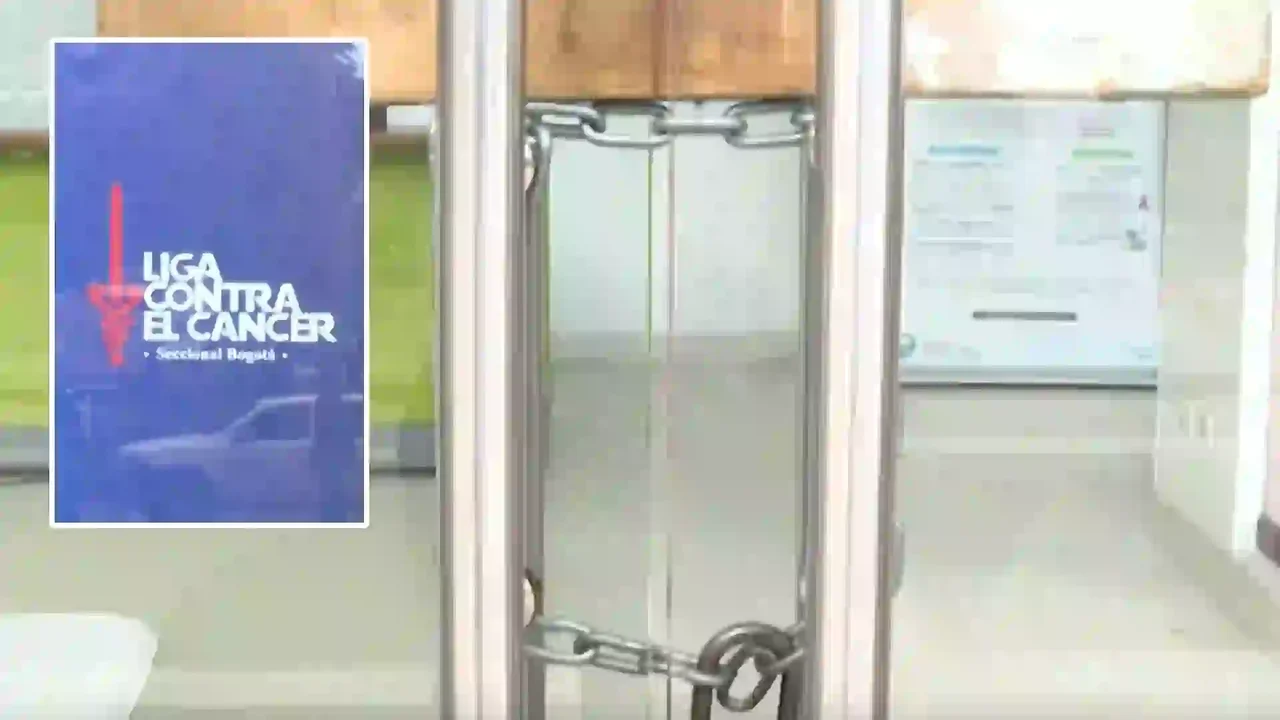
The coverage agrees that the Bogotá section of the Colombian League Against Cancer has temporarily suspended services, and that the Cancerological Institute of Nariño has also halted operations, both citing serious financial difficulties due to large unpaid debts from EPS health insurers. Both sides report that these closures have disrupted access to oncology diagnostics and treatments, including chemotherapy, affecting thousands of cancer patients in Bogotá—around 4,000 per month according to some reports—and an undetermined but significant number in Pasto and the Nariño region, with other regional League sections in the country still operating normally.
Both opposition and government-aligned outlets frame the suspensions as symptomatic of a broader healthcare financing and liquidity crisis in Colombia’s health system, in which provider institutions accumulate mounting arrears because EPS entities delay or fail to pay for services rendered. They concur that the immediate cause is the unsustainable level of debts owed to these cancer centers, that the situation threatens institutional stability and continuity of care, and that the episode occurs amid ongoing debates about structural reforms to the health model, EPS oversight, and how to ensure timely payment flows to high‑complexity service providers.
Areas of disagreement
Responsibility and blame. Opposition-aligned sources emphasize chronic mismanagement and delayed payments across the EPS model as evidence of deeper structural failure, implicitly blaming both current and past governments for not enforcing timely payment and for allowing a liquidity crisis to fester. Government-aligned coverage, while acknowledging EPS debts, tends to present the problem as an inherited, systemic flaw of the existing insurance-centered scheme rather than a failure of current authorities, stressing that the crisis exposes the limits of the old model the government seeks to reform. Opposition outlets cast the closures as a direct consequence of policy uncertainty and administrative chaos under the current administration, whereas government-leaning reports more often depict them as a symptom of long-accumulated distortions that reform is intended to fix.
Framing of the health system crisis. Opposition reporting typically portrays the suspended services as part of a nationwide collapse in provider liquidity, suggesting that cancer patients are the latest victims of a deteriorating system pushed closer to breakdown by recent government decisions and reform proposals. Government-aligned outlets also call it a systemic crisis but frame it as a revelation of how unsustainable the current EPS-centered financing has become, using the case to justify an urgent transformation of payment mechanisms and state stewardship. The former stresses imminent risk and erosion of confidence in the health system’s reliability, while the latter stresses an opportunity to overhaul a model portrayed as structurally unfair to providers and patients.
Role of reforms and government response. Opposition-oriented media tend to question the government’s preparedness and responsiveness, highlighting delays in concrete rescue measures for affected institutions and suggesting that reform debates have distracted from short-term fixes to guarantee payments and continuity of care. Government-aligned coverage more often links the crisis to the need for the administration’s proposed health reform, arguing that stronger state control, direct payments, or new financing schemes would prevent such debt accumulation and protect high-complexity centers. Whereas opposition sources focus on the absence or inadequacy of immediate government action, pro-government accounts stress long-term structural solutions and place less emphasis on short-term governmental culpability.
Impact narrative and tone. Opposition coverage usually underscores patient stories and the shock of being left without chemotherapy, using the closures as a stark symbol of a system on the brink and warning of a worsening humanitarian dimension if current policies persist. Government-aligned articles also highlight the suffering of patients but integrate these accounts into a narrative that prioritizes diagnosing the model’s failures and rallying support for systemic reform. In opposition narratives, the tone leans toward alarm and accountability demands, whereas in government-aligned narratives, the tone is more diagnostic and reformist, stressing that addressing debts and protecting institutions is inseparable from transforming the health architecture itself.
In summary, opposition coverage tends to treat the suspensions as proof of a collapsing health system aggravated by current policy and insufficient government response, while government-aligned coverage tends to frame them as the predictable outcome of a long-broken EPS model that validates the administration’s push for far-reaching health reform.