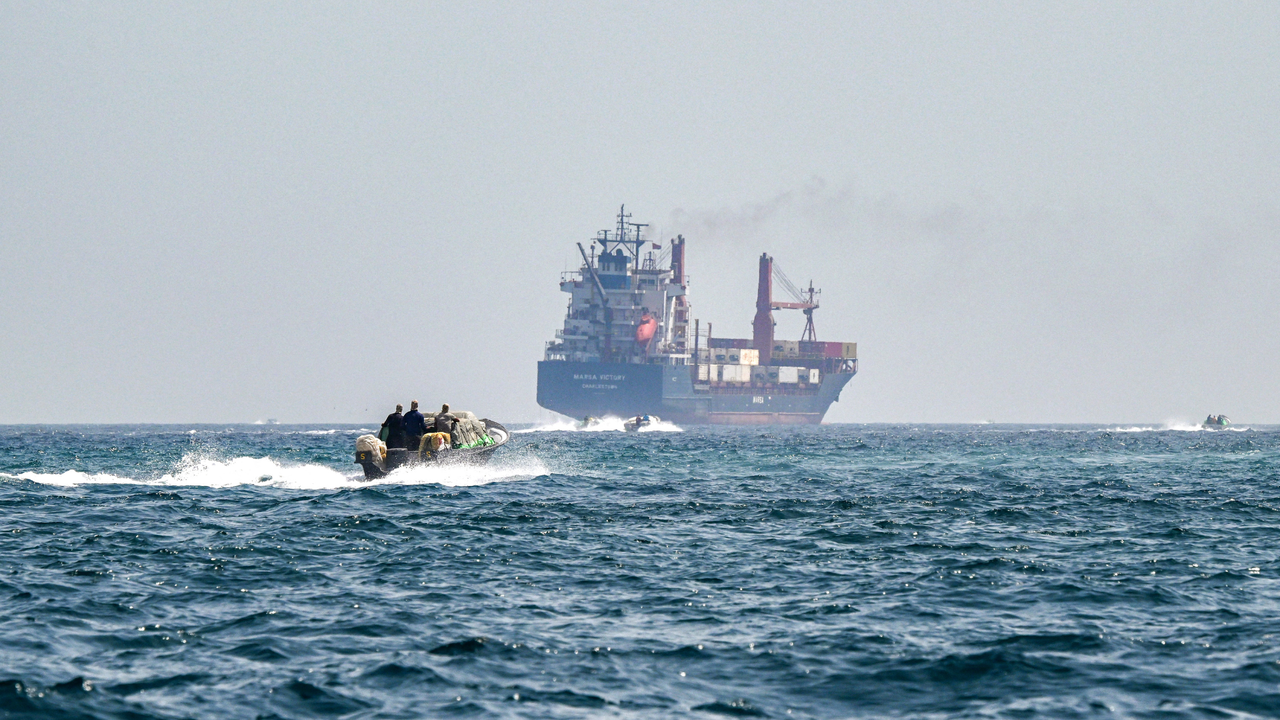
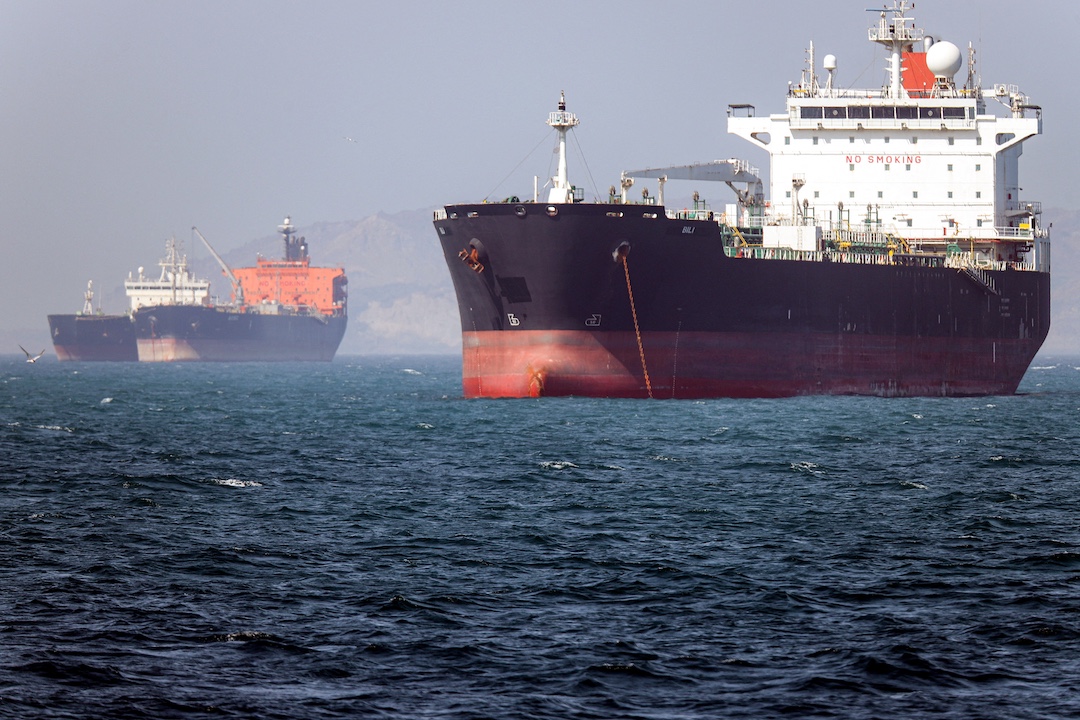
Project Liberty, a newly launched US naval operation in and around the Strait of Hormuz, is described across outlets as an escort and protection mission for commercial vessels that have been impeded amid escalating US–Iran tensions. Reports concur that US missile destroyers have entered the Persian Gulf to support this operation, that Iran has fired missiles, rockets, drones, or warning shots in the vicinity of US ships, and that the US claims to have destroyed six or more Iranian speedboats and intercepted missiles and drones, with Iran denying that any of its vessels were hit. Coverage also agrees that Iran has at least partially restricted traffic through the Strait, that there have been Iranian attacks or claimed attacks reaching as far as an industrial zone in the United Arab Emirates, and that these incidents have sharply pushed up global oil prices, with Brent crude trading above $114 a barrel and West Texas Intermediate rising above $107. All sides note that public threats by US leaders, including explicit warnings of overwhelming retaliation if US vessels are attacked, have intensified the sense of crisis around Project Liberty and the broader US deployment in the region.
Across both opposition and government-aligned reporting, the Strait of Hormuz is framed as a critical global chokepoint through which a large share of the world’s seaborne oil exports pass, making any disruption there a direct threat to global energy markets and economic stability. Outlets broadly situate Project Liberty within a longer pattern of US–Iran confrontation that includes naval incidents, sanctions, and proxy conflicts, and they acknowledge the simultaneous presence of diplomatic channels and regional truces that risk unraveling under current pressures. There is shared recognition that European governments and Gulf states, particularly the UAE, are drawn into the crisis through security guarantees, basing arrangements, and energy dependence, and are now re-evaluating their posture in response to US pressure and Iranian actions. Both sides also agree that mutual accusations, contested battlefield claims, and stalled diplomacy heighten the danger of miscalculation, with even limited clashes around the Strait having outsized consequences for regional security and international markets.
Areas of disagreement
Nature and purpose of Project Liberty. Opposition-aligned sources tend to portray Project Liberty as an aggressive US show of force that risks provoking wider war and potentially serves domestic political or electoral motives in Washington, emphasizing the operation’s offensive posture and the naval blockade on Iranian ports. Government-aligned outlets frame the operation as a defensive escort mission aimed at freeing or protecting commercial ships blocked by Iranian actions and ensuring freedom of navigation in a vital waterway, highlighting rules-of-engagement language and the claim that US ships have only responded to Iranian provocations. Opposition pieces are more likely to question whether any ships are truly “trapped” or whether the threat has been exaggerated, whereas government-aligned pieces accept US and Gulf officials’ accounts as the operational baseline.
Responsibility and blame. Opposition coverage generally assigns primary responsibility for the escalation to the US, arguing that the large-scale deployment of forces, harsh presidential rhetoric, and threats to “erase” Iran created the conditions for confrontation and undermined previous regional de-escalation. Government-aligned coverage instead places blame squarely on Iran for partially closing the Strait, firing missiles and drones near US ships, and attacking UAE territory, presenting US moves as reluctant but necessary responses to persistent Iranian aggression. While opposition sources acknowledge Iranian hardline behavior, they often frame it as reactive and tied to sanctions and US pressure, whereas government-aligned outlets characterize Iran as the initiator of destabilizing acts that justify robust countermeasures.
Credibility of military claims and casualties. Opposition outlets typically cast doubt on US battlefield claims, questioning whether six Iranian boats were truly destroyed, whether any commercial ships have actually been escorted through the Strait, and whether official statements underplay near-misses or damage to US assets. Government-aligned media present Pentagon and allied briefings as authoritative, repeating the claims of destroyed Iranian vessels and intercepted missiles and drones while highlighting US denials that its ships were hit. Opposition reports more frequently foreground Iran’s denials and alternative narratives about warning shots and deterrence, while government-aligned pieces treat Iranian statements as propagandistic or self-serving.
Regional and economic consequences. Opposition reporting often emphasizes the risks that Project Liberty and US-led escalation pose to the regional truce architecture, warning that a larger conflict could engulf Gulf states and further destabilize already fragile economies across the Middle East. Government-aligned coverage underscores instead the danger Iran poses to global energy supplies and Gulf allies, using the spike in oil prices to argue that firm action and deterrence are required to keep sea lanes open and reassure markets. Opposition sources are likelier to call for urgent de-escalation and renewed diplomacy to avoid long-term damage to energy security, whereas government-aligned outlets frame strong military posture as a prerequisite for any meaningful negotiations or sustainable stability.
In summary, opposition coverage tends to question US motives, highlight the risks of militarization, and cast doubt on official battlefield narratives, while government-aligned coverage tends to accept US and allied claims, emphasize Iranian culpability, and present Project Liberty as a necessary operation to protect shipping and regional security.