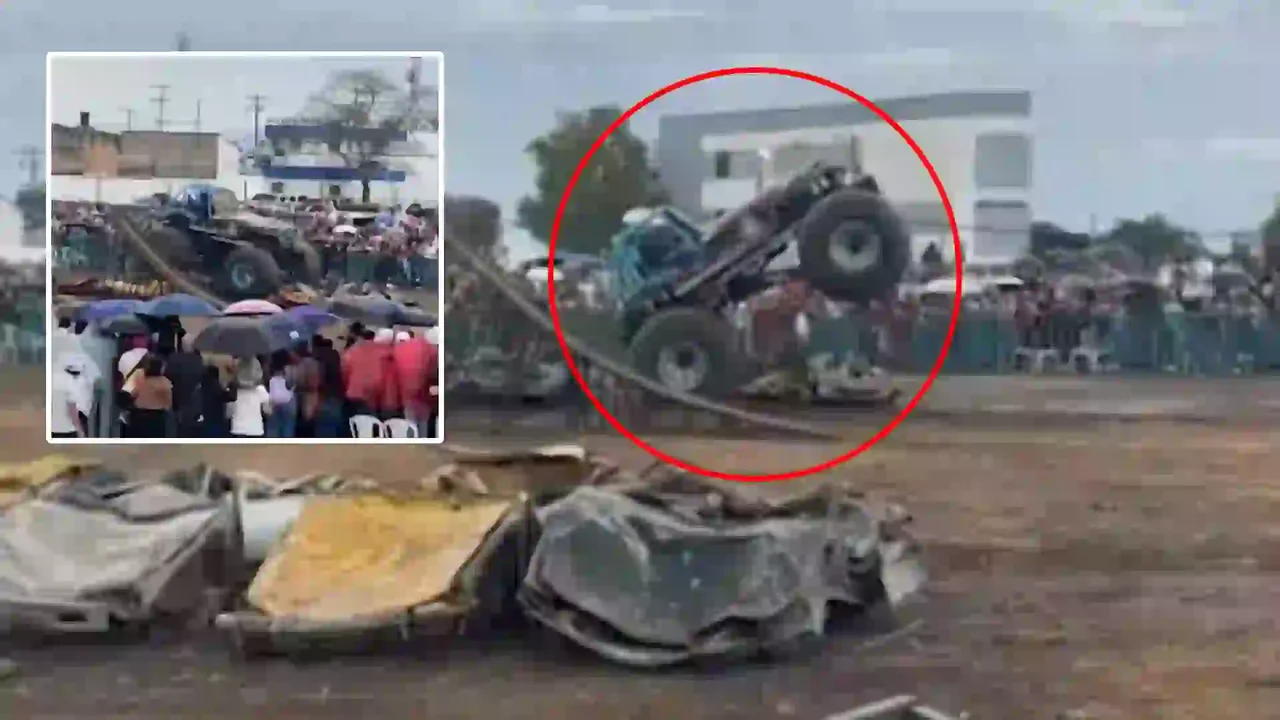
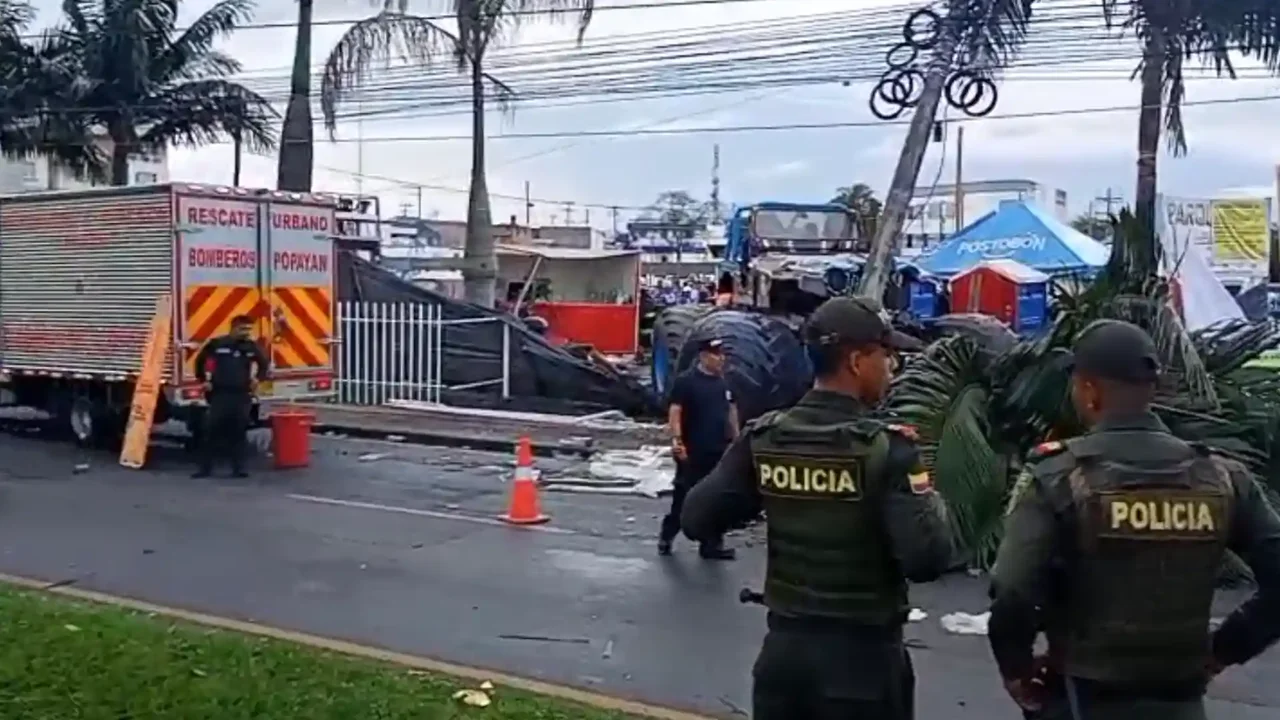
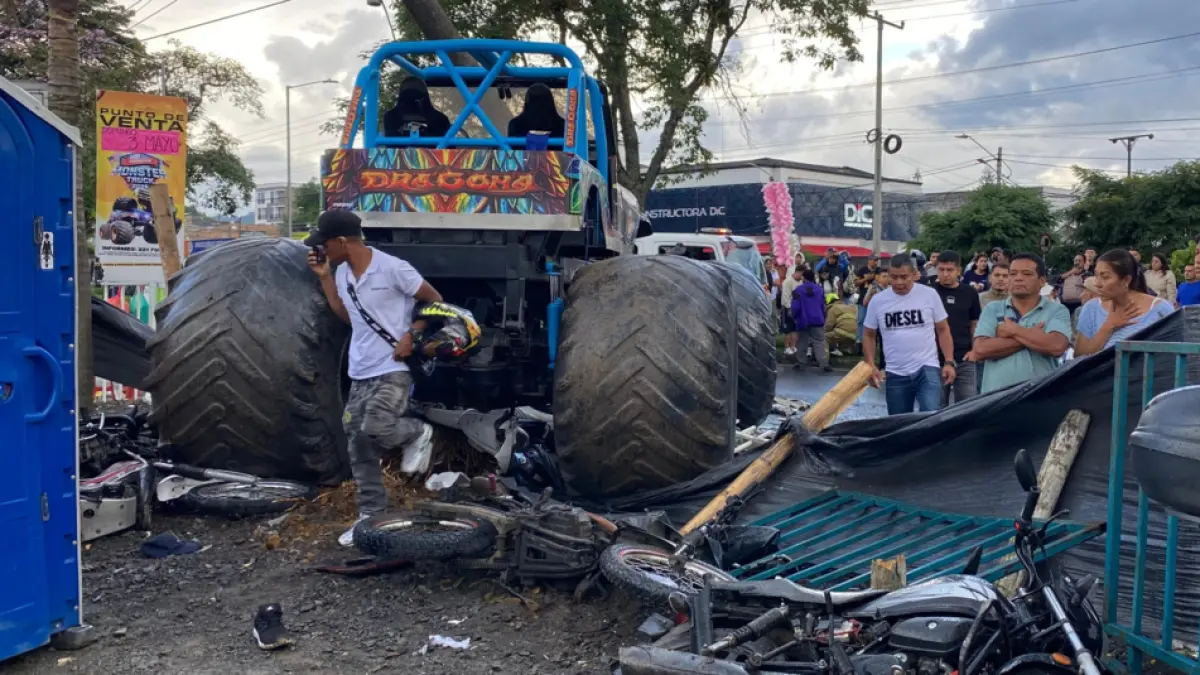
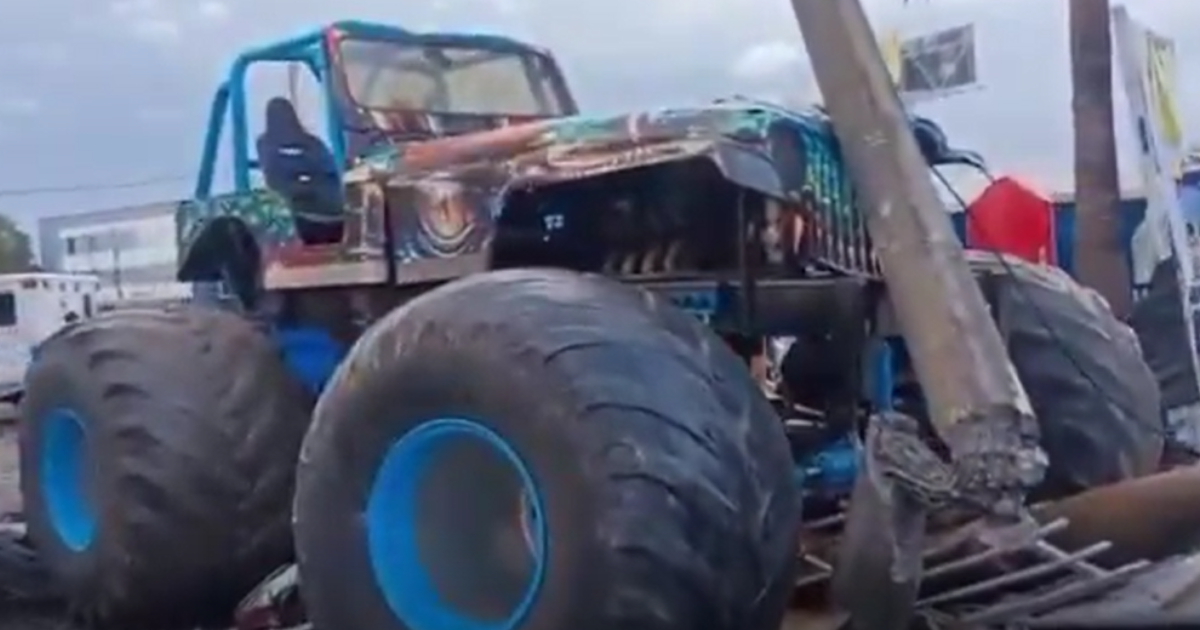
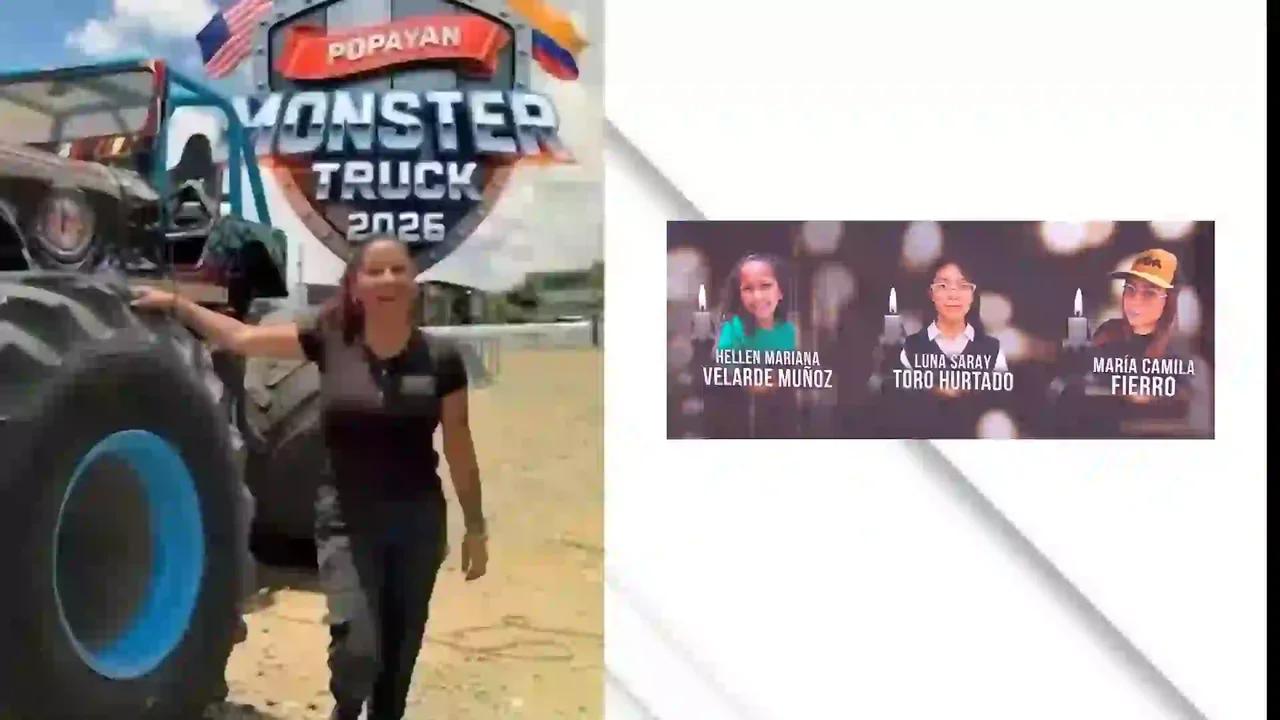
A monster truck exhibition in Popayán, Cauca, turned into a deadly accident when the vehicle known as “La Dragona” lost control after a jump or obstacle and plowed into the stands, killing three people and injuring dozens. Both opposition and government-aligned outlets agree that at least one minor and two adults died, that more than 20 people were hurt—with some reports citing about 30, 38, or even over 50 injured—and that emergency services, prosecutors, and judicial authorities responded immediately to secure the area, treat victims, and begin a formal investigation. Coverage converges on the basic sequence of events: a high-risk show with Monster Trucks, a sudden loss of control apparently linked to a possible mechanical failure, spectators struck at close range, and chaotic scenes of panic and rescue in the arena.
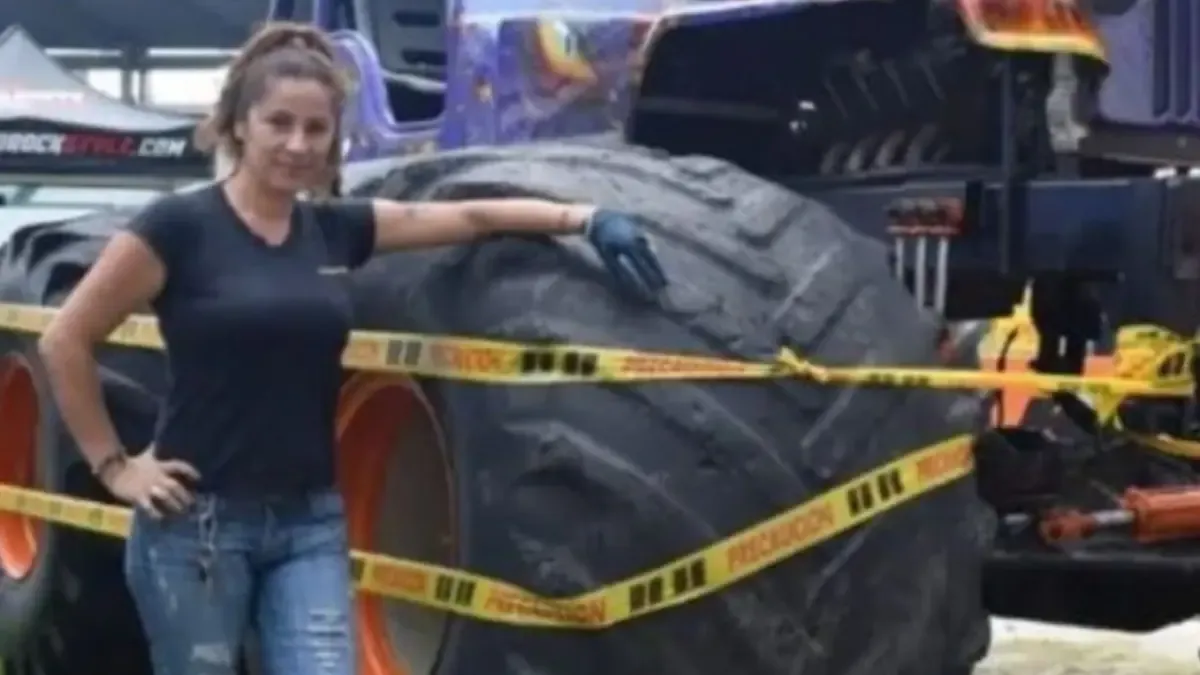
Both sides also concur that multiple institutions are now involved in clarifying what happened and supporting victims: the local mayor’s office, the Cauca prosecutor’s office, the fire department, and municipal entities in charge of event permits and safety oversight. There is shared emphasis on the high-risk nature of monster truck spectacles and on questions about the event’s safety planning, including whether the venue was suitable, what barriers and evacuation routes existed, and what regulatory standards applied. Outlets broadly agree that the driver, identified as Sonia Dilma Segura, had formal credentials and that she and the organizing company, Colombian Monster/Colombian Monster SAS, are central to the investigative focus. Across coverage, there is consensus that investigators are weighing mechanical failure alongside possible deficiencies in permits, supervision, and crowd protection, with authorities promising institutional support and dignified care for victims’ families.
Areas of disagreement
Responsibility and blame. Opposition sources tend to frame the tragedy primarily as a systemic failure of local authorities, questioning why a high-risk Monster Truck show was authorized and whether the municipality properly enforced safety standards and crowd protection. Government-aligned outlets focus more on individual and corporate responsibility, highlighting the driver’s dual role as legal representative of Colombian Monster SAS and suggesting that criminal charges could target her and the organizers for potential negligence. While opposition pieces stress political and administrative accountability, government-aligned coverage centers on prosecutorial processes, evidentiary collection, and the personal liability of those directly managing the show.
Permits and institutional performance. Opposition reporting implicitly doubts the robustness of the permitting process, portraying the event as inadequately controlled and implying a lapse in municipal oversight despite the mayor’s post-incident promises of support and investigation. Government-aligned outlets delve into which offices approved what—distinguishing, for example, fire department compliance with fire and human protection rules from the broader responsibilities of the Secretariat of Government—framing any irregularities as technical issues to be clarified rather than political scandal. The former leans toward depicting a broader institutional breakdown, while the latter stresses that relevant entities did follow formal procedures, with unresolved details presented as matters for ongoing inquiry.
Characterization of the driver and organizers. Opposition coverage mentions the driver and the company but keeps them relatively anonymous, focusing instead on the victims, especially the minors, and on the city’s duty of care and investigation. Government-aligned media personalize the story by naming Sonia Dilma Segura, highlighting her status as the only licensed female Monster Truck driver in Latin America and her prominent role in promotional material, thereby foregrounding her professional responsibility and the organizers’ claims of having complied with protocols. In opposition narratives, the driver is one actor within a larger web of institutional failures, whereas in government-aligned narratives she and the company are central figures whose decisions and risk management are scrutinized in detail.
Legal framing and future implications. Opposition outlets emphasize the mayor’s pledges for a thorough inquiry and dignified care, using these promises to underscore the need for political accountability and possibly stricter local control of mass events. Government-aligned sources go deeper into the legal taxonomy of the case, discussing possible charges, the collection of videos and testimonies, and how the findings could shape regulatory practice for high-risk spectacles nationwide. The opposition’s framing leans toward moral and administrative responsibility, while government-aligned reporting stresses formal judicial processes and technocratic reforms emerging from the investigation.
In summary, opposition coverage tends to portray the Popayán monster truck tragedy as a symptom of broader governmental and regulatory failure that endangered families, while government-aligned coverage tends to focus on the driver, organizers, and prosecutorial steps, framing the event as a legal and technical matter of individual and corporate responsibility.