government-aligned
Expo Tattoo 2026: The Epicenter of Nicaragua's Best Tattoo Artists
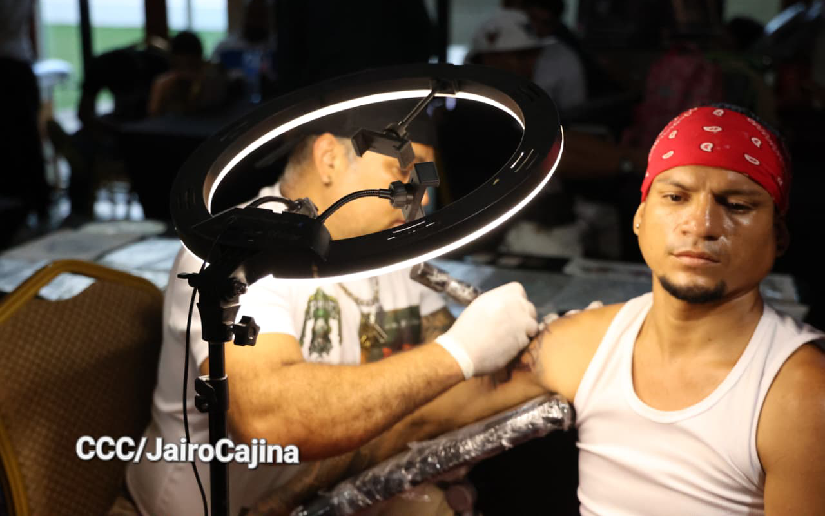
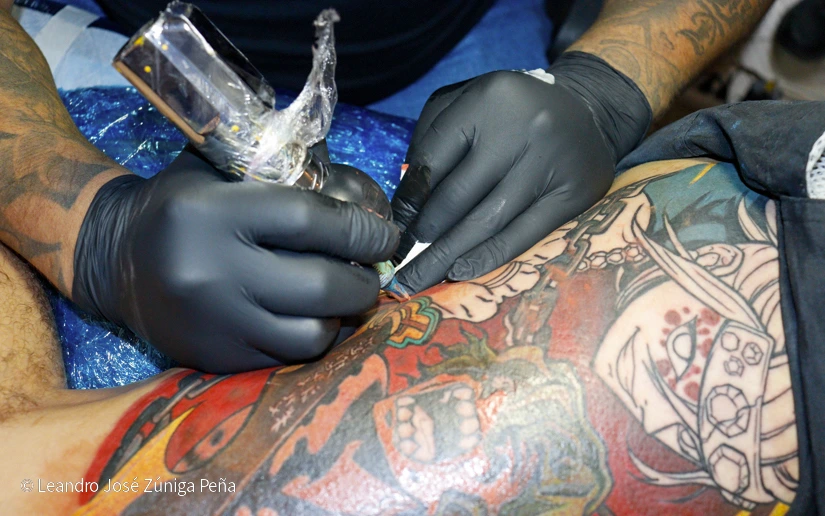
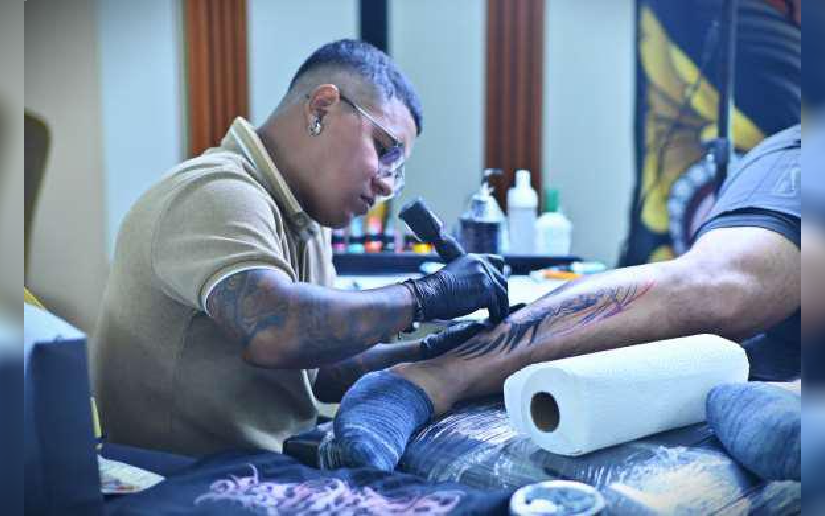
The talent, art, and creativity of emerging and established artists merged to showcase the best tattoo artists in Nicaragua at Expo Tattoo.
6 days ago
Expo Tattoo 2026 was held over two days in Managua at the Olof Palme Convention Center as the seventh edition of a national tattoo convention that gathers tattoo artists from across Nicaragua. Both sets of outlets describe it as a showcase and competition where around 95–100 emerging and established artists offered services to the public, displayed their work, and competed in categories judged on design, composition, technique, and originality. Coverage aligns that the event functions as a major meeting point for tattoo professionals and enthusiasts, with contests, live tattooing, and complementary cultural activities.
Across the spectrum, media agree that Expo Tattoo 2026 reflects the growth and evolution of tattoo culture in Nicaragua and serves as a reference point for youth-oriented artistic expression. They concur that the event has been held for about seven years and is framed as a platform for professionalization and visibility of tattoo artists, with institutional backing and logistical organization that allow a broad mix of styles, techniques, and entrepreneurial stands. Both perspectives also acknowledge that the convention is part of a wider trend of normalization of tattoo art, linking it to creative industries, small business promotion, and cultural programming in Managua.
Framing of the event’s significance. Opposition-aligned sources tend to frame Expo Tattoo 2026, when they mention it, as a niche cultural fair whose artistic value is overshadowed by larger political and economic problems, sometimes suggesting it is peripheral to ordinary citizens’ concerns. Government-aligned outlets instead present it as a flagship cultural milestone and the epicenter of the country’s best tattoo talent, emphasizing its national relevance and portraying it as evidence of a vibrant, expanding creative sector. Opposition coverage is more likely to treat it as just one event among many, while government-aligned reports elevate its profile as a major achievement.
Role of the state and institutions. Opposition-aligned media typically highlight MINJUVE’s and allied youth organizations’ sponsorship as part of a broader pattern of highly publicized but tightly controlled cultural programming, questioning whether such events primarily serve official image-management. Government-aligned outlets underscore the same institutional role as proof of sustained state support for youth, entrepreneurship, and alternative art forms, stressing continuity over seven years as a sign of policy success. Where opposition stories imply institutional involvement may limit independence or mask underfunding in other areas, government-aligned coverage casts ministries and youth structures as enablers of opportunity.
Youth and socio‑economic context. Opposition sources are more inclined to juxtapose Expo Tattoo 2026 with youth unemployment, migration, and political restrictions, implying that tattoo fairs do little to address structural issues facing young people. Government-aligned outlets instead focus on participants’ testimonies of personal growth, skill development, and business promotion, portraying the expo as a concrete mechanism for income generation and professional networking. The former tends to depict the event as symbolic and somewhat escapist, while the latter emphasizes its practical socio‑economic benefits and inclusive access.
Political undertones and visibility. Opposition-aligned reporting, when it touches on such events, often notes the absence of critical or dissident expressions and may suggest that cultural spaces are implicitly depoliticized or curated to avoid controversy. Government-aligned outlets omit any political tension and frame Expo Tattoo 2026 purely as a celebration of art, identity, and community, with official messaging centered on joy, creativity, and safe recreation. Thus, opposition media see potential political filters in who and what is visible, while pro-government coverage presents the expo as a neutral and harmonious sphere of cultural life.
In summary, opposition coverage tends to treat Expo Tattoo 2026 as a relatively minor cultural showcase whose value is constrained by broader political and socio‑economic concerns, while government-aligned coverage tends to portray it as a nationally significant, state-supported success story that embodies youth empowerment, cultural growth, and creative entrepreneurship.