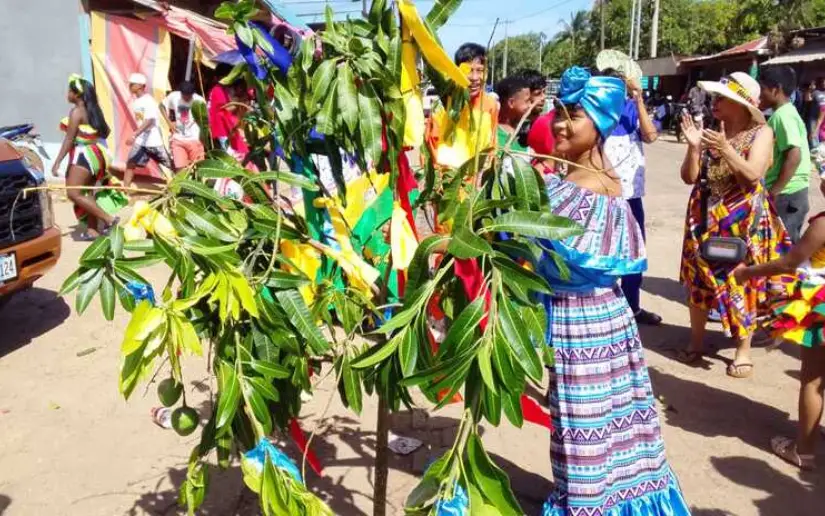
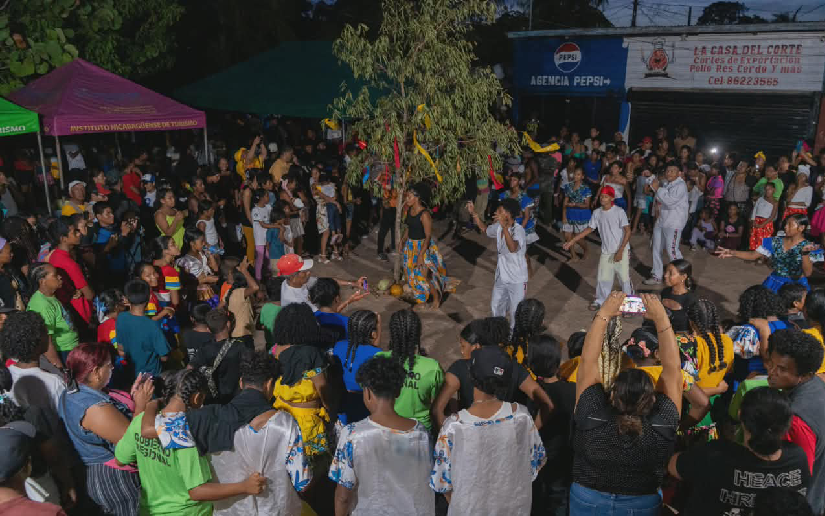
Media on both sides describe the May Pole festival in Bilwi (Puerto Cabezas), on Nicaragua’s North Caribbean Coast, as the start of an annual cultural cycle rooted in Afro-descendant traditions. They agree that celebrations center on music, dance, spirituality, traditional food, and intergenerational participation from neighborhoods such as Spanish Town, with families and community groups presenting cultural expressions that have been passed down for generations throughout the month of May.
Across the spectrum there is shared recognition that May Pole in Bilwi is a symbol of memory, identity, renewal, and community cohesion for Afro-descendant populations on the Caribbean Coast. Both types of outlets situate the festival within broader efforts to preserve local heritage and cultural continuity, noting the role of community-based organizations, neighborhood structures, and cultural promoters, and framing the event as a reaffirmation of Afro-descendant presence and rights in Nicaragua’s multicultural Caribbean region.
Areas of disagreement
Role of the state. Government-aligned coverage emphasizes the active support and coordination of national and municipal institutions, highlighting them as key guarantors of the festival’s continuity and promoters of Afro-descendant identity. Opposition-aligned narratives, when they address the event, tend to downplay or problematize official protagonism, portraying the festival as primarily community-driven and warning that state branding of the celebrations can serve political legitimation rather than purely cultural preservation.
Political context. Government-aligned outlets present the May Pole festivities as apolitical spaces of unity, framing them as proof of harmonious coexistence and respect for diversity under current authorities. Opposition sources are more likely to place the same celebrations within a tense national climate, suggesting that cultural events can be used to project normalcy or mask restrictions on broader civil and political rights in other arenas.
Representation of Afro-descendant agency. Government-aligned media stress how institutions accompany and support Afro-descendant communities, portraying a collaborative model where the state enables cultural flourishing. Opposition-leaning accounts tend to center community leaders, elders, and local cultural groups as the true custodians of May Pole, cautioning that official narratives may appropriate their agency by foregrounding government sponsorship over grassroots initiative.
Economic and social benefits. Government-aligned coverage highlights the festival as a driver of local cohesion, tourism, and small-scale commerce, suggesting that state-backed organization increases security and opportunities for families and vendors. Opposition-aligned reporting, when it comments on impacts, is more likely to question whether economic benefits are broad-based, raising concerns about unequal access to resources and whether investment in cultural display is matched by structural support for livelihoods in Bilwi’s Afro-descendant communities.
In summary, opposition coverage tends to frame the May Pole festival as a deeply rooted community tradition whose symbolism can be co-opted or instrumentalized by the state, while government-aligned coverage tends to present it as a celebratory confirmation of multicultural identity made possible and strengthened by supportive public institutions.