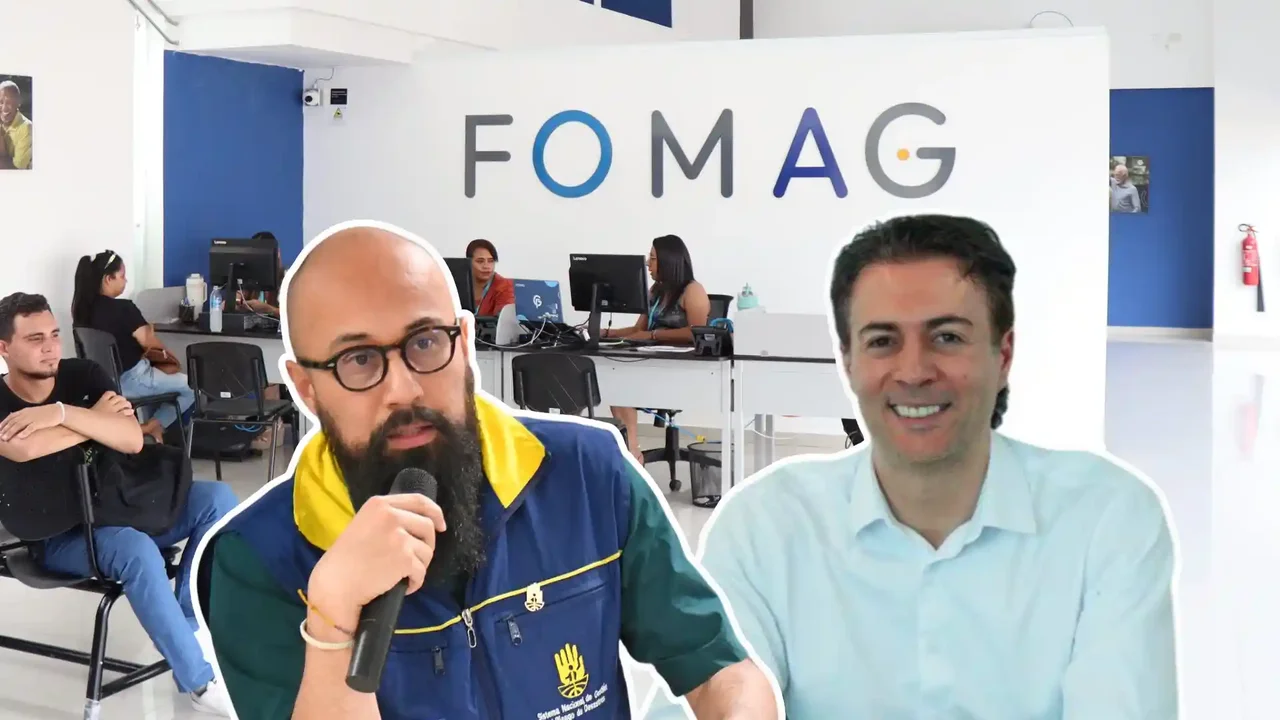
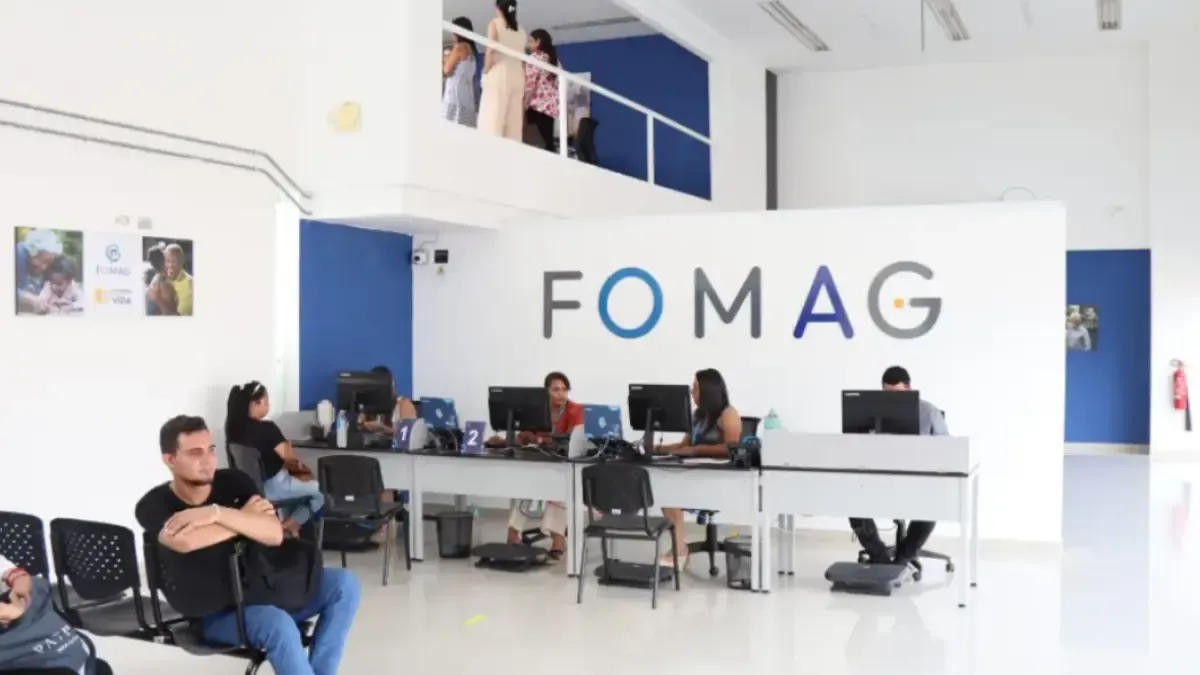
The Superintendencia Nacional de Salud has opened a special inspection and surveillance action on the Teachers’ Health Model managed through Fomag, the Fondo Nacional de Prestaciones Sociales del Magisterio. Ordered by Superintendent Daniel Quintero Calle at the request of the Presidency, the procedure seeks to review how the model operates nationwide, including administration, contracting processes, service networks, medication delivery, handling of user complaints, and overall resource management, in order to verify whether there are irregularities and whether the system effectively guarantees the right to health for teachers and their beneficiaries.
Across coverage, outlets agree that this step comes amid broader scrutiny of the teachers’ health system and concerns about service quality and possible corruption in the management of public funds. Fomag is identified as the institution in charge of financing and organizing health and other social benefits for Colombia’s public-school teachers, and the special action is presented as part of an institutional mechanism whereby Supersalud can intensify oversight of health actors when there are signals of potential mismanagement or rights violations. Both sides also concur that the Presidency’s request frames the review as part of a wider government effort to adjust or reform how teachers’ health services are provided.
Areas of disagreement
Motivations and political framing. Opposition-aligned sources tend to portray the special investigation as politically driven, suggesting it is a way for the Petro administration to gain leverage over Fomag and to consolidate control of the teachers’ health model, possibly distracting from other governance problems. Government-aligned sources instead cast the move as a necessary exercise of state oversight in response to longstanding teacher complaints and suspicions of corruption in resource management. While opposition narratives emphasize timing and political convenience, government-aligned reports stress institutional duty and the need to guarantee the right to health.
Responsibility and corruption narratives. Opposition coverage is likely to stress that any irregularities at Fomag reflect broader failures or contradictions in the government’s own health policy and its handling of public funds, sometimes hinting that the investigation could be used selectively against rival factions. Government-aligned media focus more on alleged entrenched corruption within Fomag and related contractors, framing the special action as a step toward identifying specific individuals and networks responsible for mismanagement. In these accounts, responsibility is individualized and linked to prior practices, rather than attributed to the current administration’s reforms.
Institutional roles and internal disputes. Opposition sources would underscore internal frictions within the government team, such as the clash between Daniel Quintero and Carlos Carrillo, as evidence of disorganization and competing agendas around Fomag. Government-aligned outlets acknowledge the dispute but present it as a secondary issue, emphasizing that the Presidency has already appointed an “honest team” and that institutional procedures are proceeding regardless of personal rivalries. In their framing, disagreements among officials do not undermine the legitimacy of the investigation but show a dynamic effort to clean up the system.
Impact on teachers and reforms. Opposition-aligned media are inclined to warn that the investigation could generate uncertainty or disruption in service for teachers, suggesting that repeated structural changes may worsen delays and access problems. Government-aligned coverage instead highlights the potential for medium-term improvements in service quality and transparency, arguing that closer supervision will ultimately benefit teachers and their families. While critical outlets focus on risks and instability, supportive ones stress the investigation as a corrective step aligned with broader health-system reforms.
In summary, opposition coverage tends to frame the special investigation into Fomag’s health model as a politically charged move that risks deepening uncertainty and reflects internal fractures in the government, while government-aligned coverage tends to present it as a legitimate oversight measure aimed at rooting out corruption, strengthening institutions, and improving teachers’ access to quality health services.