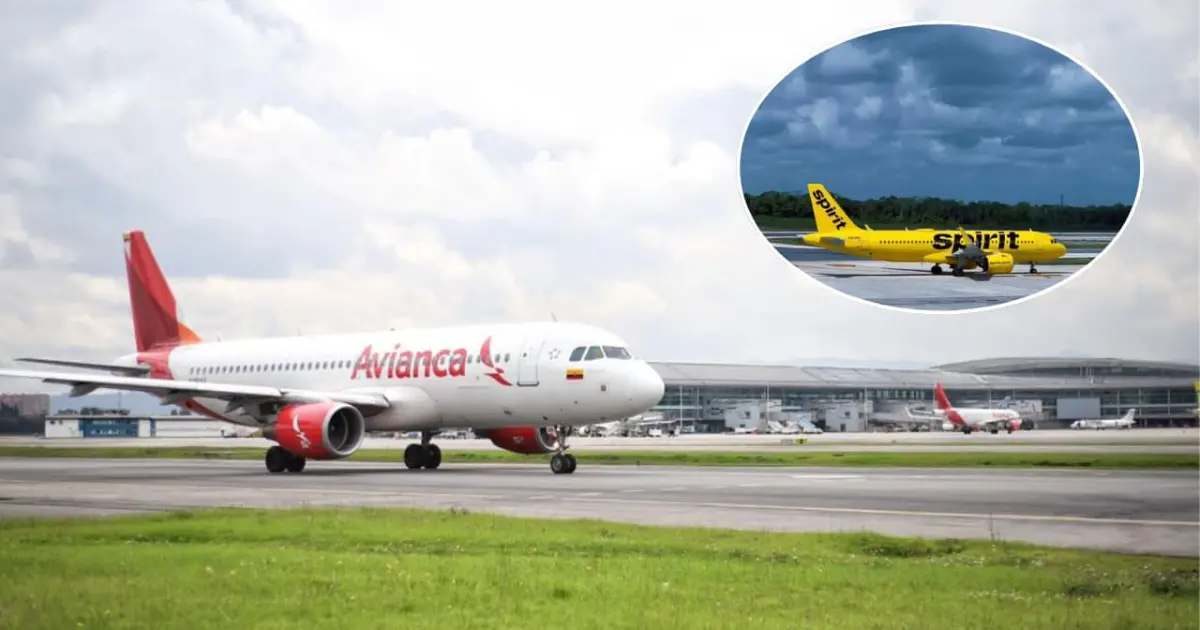
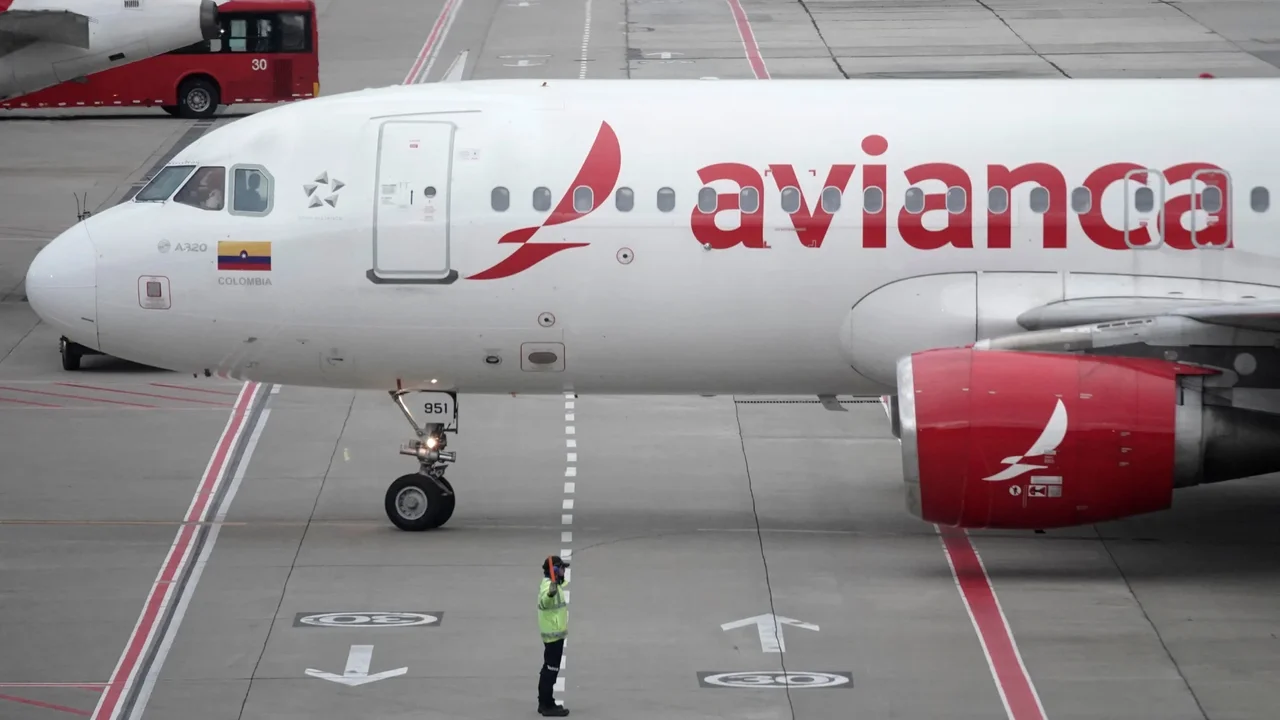
Avianca and Spirit Airlines are jointly described across both opposition and government-aligned outlets as responding to Spirit’s sudden shutdown of operations, which halted all flights and customer service channels after a failed financial rescue and, in some versions, a bankruptcy process. All sources agree that Spirit’s closure, effective around May 2, 2026, has stranded thousands of passengers on routes between the United States, Colombia, the broader Caribbean, and Latin America, prompting Avianca to activate a contingency or protection plan that offers affected Spirit customers free or no-cost return options and rebooking on its own flights, subject to seat availability and certain conditions. Reports concur that passengers must present themselves physically at airports—generally on the day of their original Spirit flight or the day before—to request relocation on Avianca flights, and that assistance is limited to specific return segments and prioritized on a first-come, first-served basis, while other major carriers such as American and United are also mentioned as part of a broader ad hoc support network.
On the broader context, both sides situate Spirit’s collapse within longer-running financial difficulties dating back several years, exacerbated by rising fuel costs, unsuccessful rescue negotiations, and structural weaknesses in the low-cost carrier model in the region. Coverage consistently notes the involvement of the US government in attempted rescue talks, including references to a final proposal that failed to materialize into a bailout, and mentions that the shutdown affects not only passengers but also Spirit employees and regional connectivity between the US and Latin America. Opposition and government-aligned outlets alike frame Avianca’s response as a temporary relief measure rather than a full solution, highlighting that capacity constraints, route limitations, and possible remaining taxes and fees mean not every affected traveler can be fully accommodated, and that the episode underscores the vulnerability of cross-border air travel to corporate and macroeconomic shocks.
Areas of disagreement
Responsibility and blame. Opposition sources emphasize Spirit’s mismanagement and long-standing financial deterioration since at least 2019, stressing how rising fuel prices and corporate decisions led to insolvency and a chaotic halt that abandoned passengers. Government-aligned outlets foreground the failure of a government rescue deal but tend to frame it as the outcome of unavoidable financial realities rather than policy error, portraying the state as a coordinator of support rather than a party at fault. While opposition coverage indirectly questions the effectiveness and timeliness of official intervention, government-aligned reporting largely avoids attributing specific blame to regulators or political leaders.
Characterization of the shutdown. Opposition outlets describe the event more starkly as a sudden closure that left thousands stranded without recourse after all flights and service channels were cut, underscoring the disruption and uncertainty for travelers. Government-aligned coverage uses more institutional language, referring to an orderly shutdown and a bankruptcy-linked cessation of operations, suggesting a structured wind-down rather than sheer collapse. The tone in opposition media leans toward highlighting chaos and passenger hardship, whereas government-aligned narratives stress procedure, legal frameworks, and continuity through coordinated assistance.
Portrayal of government role. Opposition reporting mentions US government negotiations and references to a final rescue proposal, implicitly suggesting that political and bureaucratic delays contributed to the breakdown of the deal and the severity of the fallout. Government-aligned outlets instead stress that the administration is actively coordinating with other airlines to support passengers and employees, framing state action as responsive and solution-oriented after a market-driven failure. This leads opposition media to cast the episode as evidence of inadequate protection for consumers, while government-friendly sources present it as an example of crisis management within the limits of fiscal and regulatory responsibility.
Framing of Avianca’s aid. Opposition sources spotlight Avianca’s contingency plan as a goodwill gesture—offering free relocation on designated return flights—as a necessary patch in the absence of robust institutional safeguards for travelers. Government-aligned outlets acknowledge similar measures but more clearly note that certain taxes and fees may still apply and that availability is constrained, positioning Avianca’s actions as part of a coordinated, technically bounded response endorsed by authorities. Thus, opposition coverage tends to portray Avianca as stepping in where policy fell short, while government-aligned media present the airline’s aid as one component of a broader, state-facilitated mitigation effort.
In summary, opposition coverage tends to stress corporate mismanagement, policy shortcomings, and the disruptive impact on stranded travelers, while government-aligned coverage tends to emphasize procedural order, shared economic constraints, and coordinated state–industry efforts to mitigate the crisis.