government-aligned
Festival “Nuestra Orgullosa Identidad” in Santo Tomás
The Nicaraguan Institute of Tourism (INTUR), in coordination with the Municipal Mayor's Office of Santo Tomás, Chontales, and the Sandinista Youth.
12 days ago
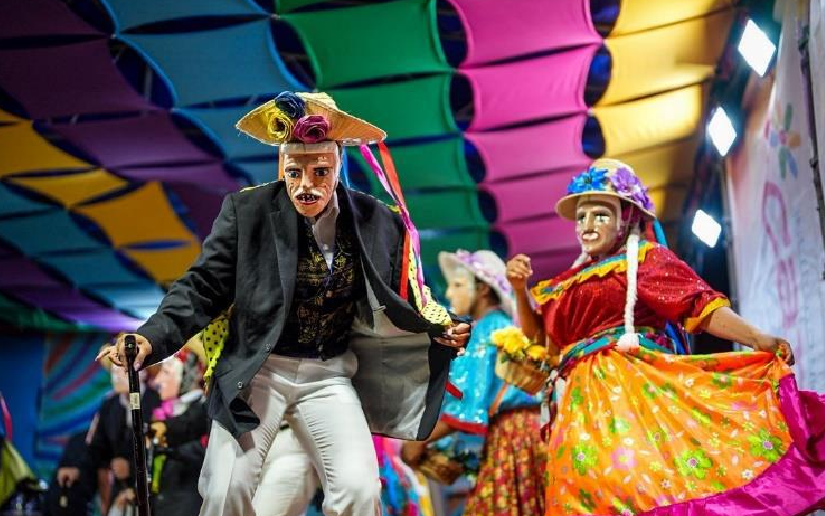
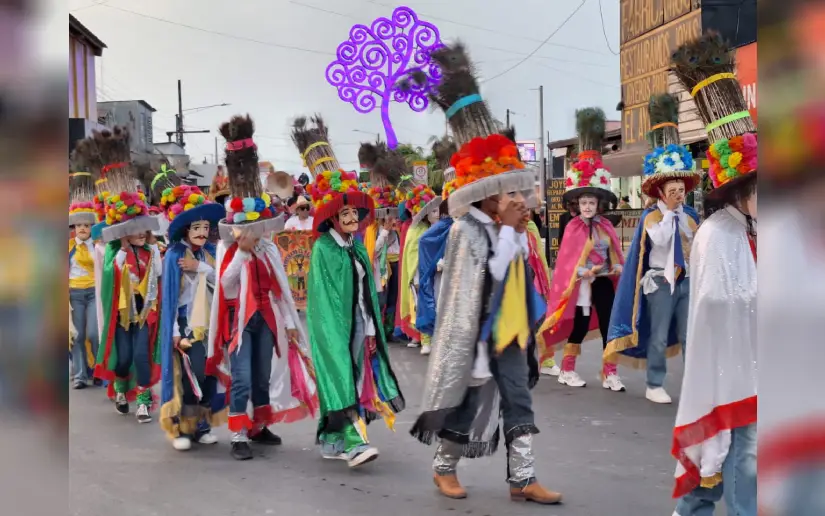
The festival "Nuestra Orgullosa Identidad" was held in Santo Tomás, Chontales, organized primarily by the Nicaraguan Institute of Tourism together with local government structures, and drew reported crowds of more than 3,000 people. Coverage converges on basic facts that it was a family-oriented cultural event with a parade featuring municipal dance schools and cultural groups from different regions of the country, followed by artistic presentations and musical performances that extended into the afternoon and evening in the town’s public spaces.
Across reports, there is agreement that the stated purpose of the festival was to celebrate and showcase Nicaragua’s cultural diversity, traditional dances, music, and artistic expressions, as a way to strengthen a sense of national pride and local identity. Both sides also acknowledge the backdrop of ongoing official efforts to promote domestic tourism and cultural programming through institutions like the Nicaraguan Institute of Tourism and municipal governments, tying this festival to a broader calendar of cultural and tourism-focused activities aimed at drawing families into public spaces and reinforcing narratives of cultural continuity.
Nature of the event. Government-aligned outlets portray the festival as a purely cultural and recreational gathering, emphasizing joy, color, and the participation of families and children without hinting at any political dimension. Opposition-aligned sources, when they cover such events, tend to frame similar festivals as state-orchestrated spectacles that blend culture with subtle political messaging and presence of party symbols, even if the cultural content itself is genuine. While official coverage stresses spontaneity and popular enthusiasm, opposition narratives question how voluntary attendance really is, suggesting that public employees and local structures may feel pressure to mobilize.
Role of the state and institutions. Government-aligned media highlight the Nicaraguan Institute of Tourism and municipal authorities as benefactors bringing investment, organization, and infrastructure to promote local culture and economic activity through tourism. Opposition-aligned voices typically argue that these institutions are extensions of the ruling party and use cultural programming to project normality and responsiveness, diverting attention from governance problems and democratic deficits. Thus, what official outlets call support and promotion, opposition sources often describe as politicized control over public space and cultural expression.
Representation of local reality. Government-aligned coverage presents the images of full streets, dancers, and concerts as evidence that communities in Santo Tomás enjoy stability, security, and opportunities to celebrate their heritage. Opposition-aligned reporting tends to counter that such carefully curated scenes mask ongoing issues like economic hardship, migration, and political repression, which they say are absent from official narratives. For pro-government media the festival illustrates national unity and contentment, whereas opposition commentators frame it as a limited snapshot that does not reflect the broader social and political climate.
Impact on communities. In government-aligned narratives, the festival is credited with boosting local commerce, fostering community cohesion, and giving young people constructive spaces to perform and develop cultural skills. Opposition-leaning analysis often questions the depth and distribution of these benefits, suggesting that any short-term economic gains are modest and uneven, and that cultural workers remain underfunded and dependent on political loyalty. Official outlets stress the festival’s positive, unifying impact, while opposition perspectives emphasize its symbolic value versus the lack of structural improvements in services, rights, or livelihoods.
In summary, opposition coverage tends to see the Santo Tomás festival as a politicized cultural showcase that obscures structural problems and concentrates control in ruling-party-linked institutions, while government-aligned coverage tends to present it as a joyful, inclusive celebration of heritage that strengthens community bonds and demonstrates the state’s commitment to culture and tourism.
government-aligned
Gallery of families enjoying the Nicaraguan Festival
13 days ago