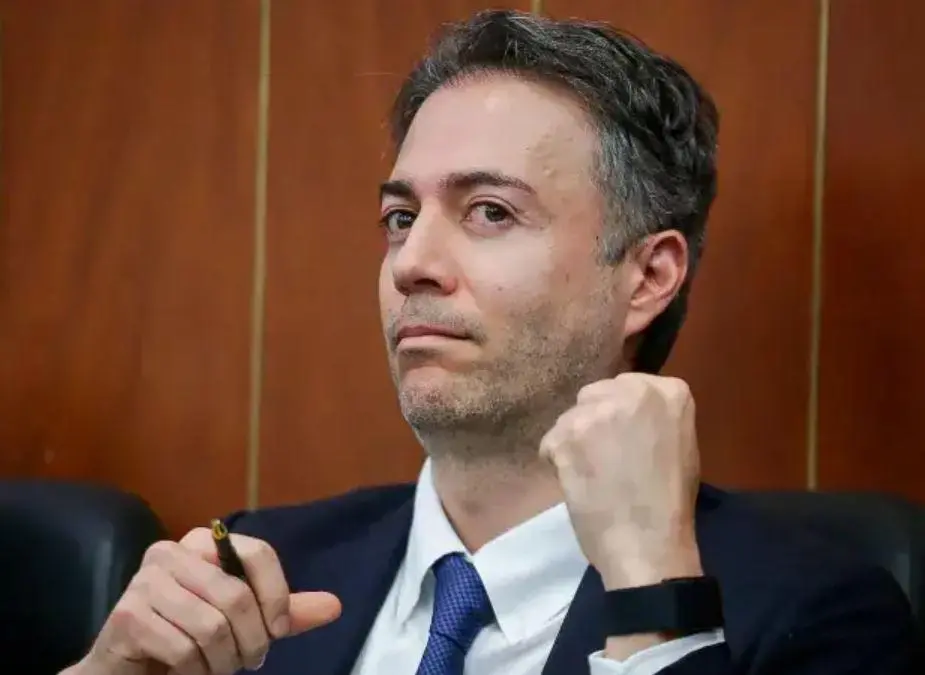
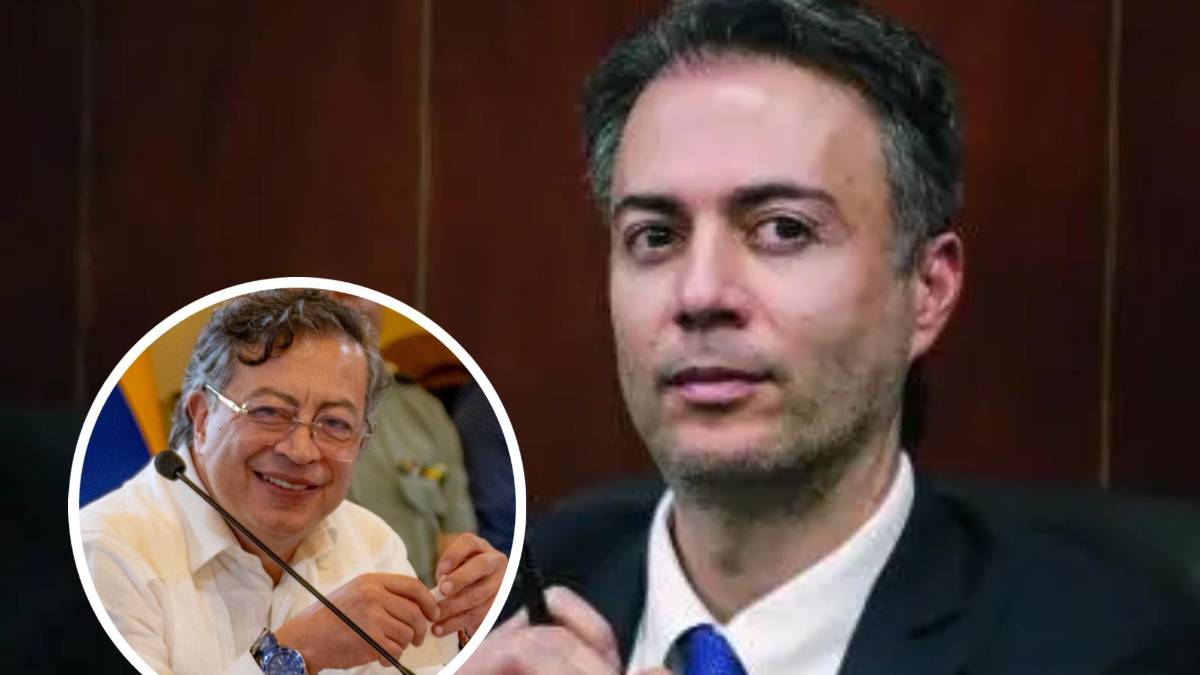
Daniel Quintero Calle, former mayor of Medellín, has been officially appointed by President Gustavo Petro as Colombia’s National Superintendent of Health (Supersalud) through a signed decree that fills the vacancy left after a period with an acting head. Both opposition and government-aligned outlets agree that he arrives amid a critical juncture for the health system, with multiple intervened EPS, serious financial strains, and heightened institutional pressure on the entity responsible for directing, inspecting, monitoring, and controlling health-sector actors. Coverage from both sides notes that his appointment has triggered immediate political and legal reactions, including announced lawsuits and challenges, and that powerful interest groups, experts, and political figures are closely watching the transition of leadership in this key regulatory body.
Across the spectrum, media describe Supersalud as central to the Petro administration’s broader health agenda, overseeing vast public resources and the functioning of insurers and providers in a stressed system. There is shared recognition that Quintero’s arrival coincides with ongoing health reforms and debates over the sustainability and governance of the model, where the Superintendence’s capacity to intervene EPS and enforce rules is pivotal. Both opposition and government-aligned sources contextualize the appointment within Petro’s effort to consolidate control over critical oversight institutions, stressing that any mismanagement at Supersalud could have direct consequences for service continuity, public trust, and the financial stability of Colombia’s health sector.
Areas of disagreement
Suitability and track record. Opposition outlets portray Quintero as profoundly unfit, highlighting more than 50 open investigations, alleged corruption and mismanagement in Medellín, and a lack of specific technical experience in health regulation as evidence that his appointment is reckless. Government-aligned coverage instead frames him as a strategic choice who can provide political backing and managerial capacity to a crucial watchdog at a delicate moment. While critics emphasize his legal exposure and alleged failures as mayor as disqualifying, supportive outlets downplay or omit these accusations and stress the need for a strong, empowered superintendent to confront entrenched interests in the health system.
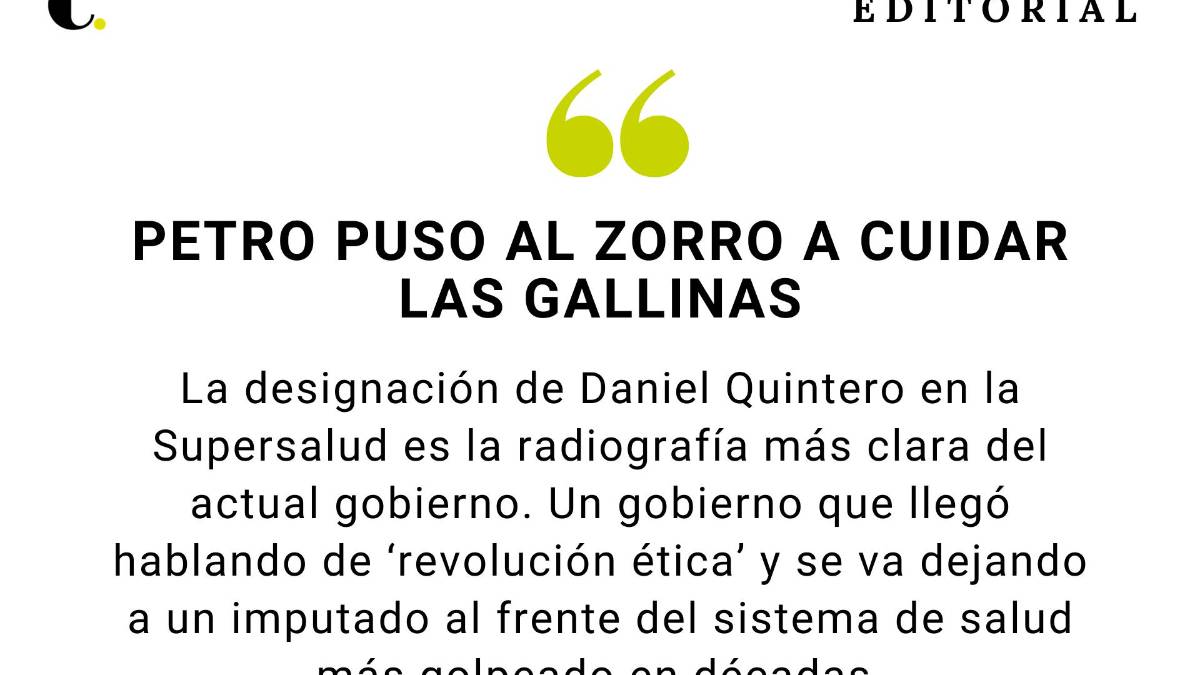
Motives behind the appointment. Opposition sources argue that Petro is using the post as a political reward and a shield for an ally under legal and disciplinary scrutiny, likening it to putting “the fox in charge of the henhouse” and accusing the government of turning the state into a protective apparatus. Government-aligned media, by contrast, present the decision as driven by the urgency of tightening control and oversight over EPS and other actors in the system, portraying Quintero’s appointment as part of a broader strategy to implement reforms and curb abuses. For opponents, the move is primarily about loyalty and impunity; for government-friendly outlets, it is primarily about governance and steering capacity.
Impact on institutional credibility and the health system. Opposition coverage warns that Quintero’s arrival will erode public confidence in Supersalud, destabilize an already fragile health system, and scare away technical talent, especially because the superintendent himself faces multiple investigations and legal questions. Government-aligned reports instead suggest that his leadership will strengthen institutional presence, improve enforcement against EPS and other entities, and help protect users at a time of systemic stress. While critics foresee increased politicization, legal battles, and risk of corruption, supportive outlets emphasize the potential for more assertive oversight and better alignment with the government’s health policy goals.
Legal and political fallout. Opposition media highlight the breadth of announced legal challenges, parliamentary criticism, and vows from senators and experts to contest the appointment, presenting this as proof of its fragility and the likelihood of future judicial setbacks. Government-aligned coverage gives much less weight to these threats, treating them as predictable resistance from opponents of the health reform and sectors threatened by stronger supervision. For critics, the looming court battles and investigations are central to the story, whereas for pro-government outlets they are a secondary, largely political backdrop to what they depict as a necessary administrative decision.
In summary, opposition coverage tends to cast Quintero’s appointment as an ethically dubious, politically motivated gamble that endangers institutional integrity and the health system itself, while government-aligned coverage tends to frame it as a strategic reinforcement of state oversight capacity at a critical moment for Colombia’s health reforms.