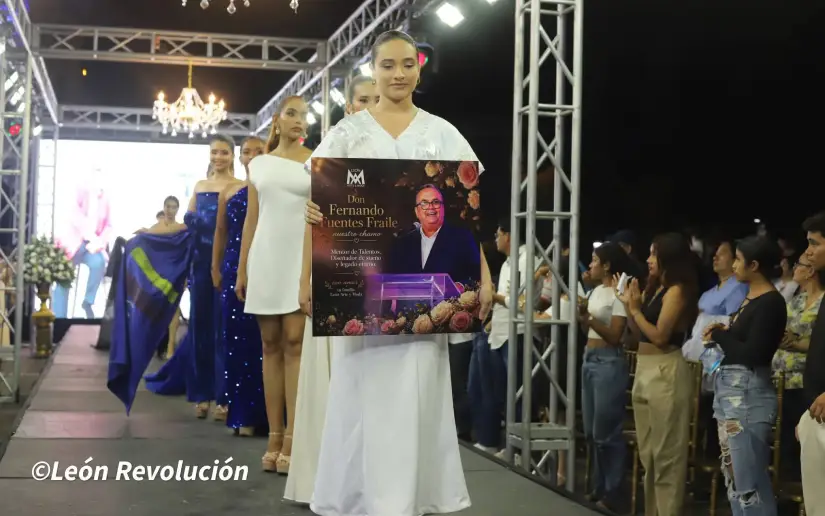
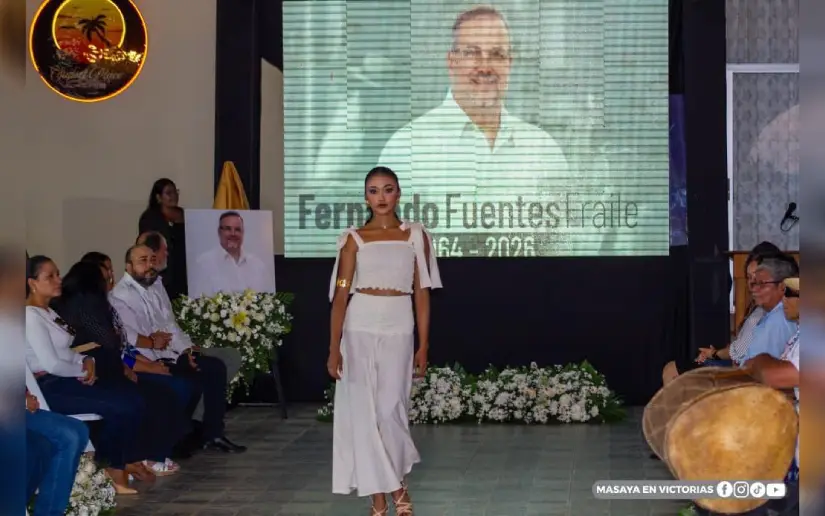
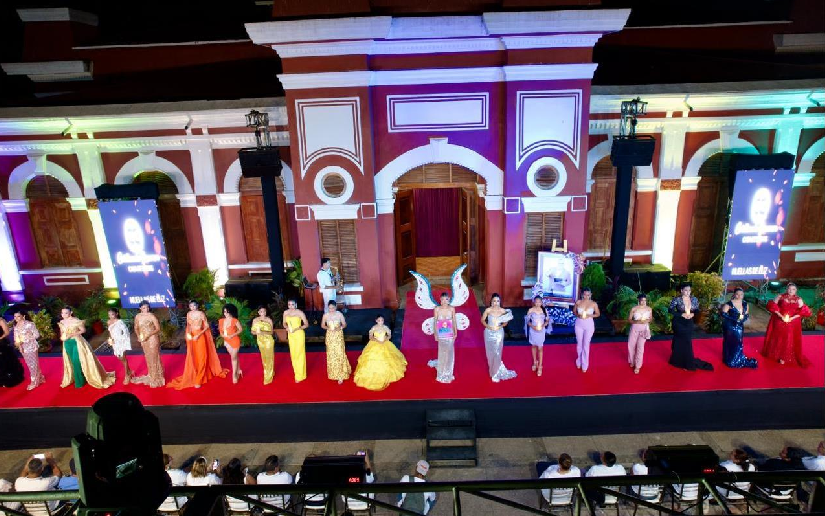
Tributes to the late fashion designer Fernando Fuentes Fraile are being reported as a series of official and community events held across Nicaragua, particularly in San Juan del Sur, Granada, Chinandega, and Masaya over a commemorative weekend. Coverage from both opposition and government‑aligned outlets agrees that these events take the form of fashion runways, expo galas, and catwalks that bring together designers, models, friends, and local authorities to celebrate his creative legacy and influence on emerging talent, with special emphasis on his role as a director of fashion platforms and mentor to younger creators.
Both sides also concur on a shared contextual frame: Fuentes Fraile is described as Venezuelan by origin but deeply identified with Nicaragua, especially Masaya, and credited with helping to fuse traditional motifs with contemporary design in a way that strengthened local cultural identity. Media across the spectrum highlight institutions such as Nicaragua Diseña and municipal cultural venues like Sunset Place Masaya and Granada’s Plaza de la Antigua Estación del Ferrocarril as key stages for his work, presenting the tributes as a continuation of his efforts to professionalize runway production, elevate national fashion, and integrate family‑friendly cultural programming with the fashion sector.
Areas of disagreement
Framing of the tributes. Government-aligned coverage portrays the runways and gala events as heartfelt, community-wide celebrations seamlessly blending culture, tourism, and fashion, emphasizing full venues, festive atmospheres, and broad public participation. Opposition outlets, while acknowledging the emotional dimension, are more likely to frame the tributes as highly curated spectacles tied to official narratives, stressing the heavy institutional branding and the use of Fuentes Fraile’s image to project normalcy and cultural vitality amid broader political tensions.
Role of the state and institutions. Government-aligned sources underscore the proactive role of institutions like Nicaragua Diseña, municipal governments, and cultural authorities, casting them as natural custodians of Fuentes Fraile’s legacy and as essential enablers of young designers’ careers. Opposition reporting tends to view the same institutions with skepticism, suggesting that they centralize credit, marginalize independent initiatives, and instrumentalize Fuentes Fraile’s story to legitimize state‑linked cultural platforms rather than highlighting the more informal or grassroots networks he also supported.
Legacy and message. In government-aligned narratives, Fuentes Fraile’s legacy is framed as fundamentally harmonious and forward‑looking, centered on national pride, unity, and the consolidation of Nicaragua as a regional fashion reference point, with emphasis on continuity through official programs and recurring state-backed runways. Opposition coverage is more inclined to stress his independent vision and cosmopolitan background, hinting that his push for innovation and creative freedom sometimes sat uneasily with the more controlled, message-driven framing of culture promoted by authorities, and suggesting that the most authentic aspects of his legacy live on in less publicized circles.
Social and economic impact. Government-aligned outlets highlight the tributes as engines of local development, tourism, and opportunity for young talent, placing particular weight on the number of participating designers, models, and families, and the supposed spillover benefits for nearby businesses. Opposition media, when addressing the same events, tend to question the depth of that impact, pointing to persistent challenges facing creative workers, limited access for designers without official connections, and the gap between the glamorous imagery of the catwalks and the economic precarity of much of the fashion and artisan community.
In summary, opposition coverage tends to acknowledge the emotional and cultural significance of the tributes while interrogating their political framing and material impact, while government-aligned coverage tends to present the events as organically celebratory, development‑oriented showcases that confirm the state and its cultural institutions as the natural stewards of Fernando Fuentes Fraile’s legacy.