government-aligned
Renowned rapper arrested in US after dismembered body found in car linked to his name
A case mixing fame, disappearance, and a shocking discovery shakes the United States.
23 days ago
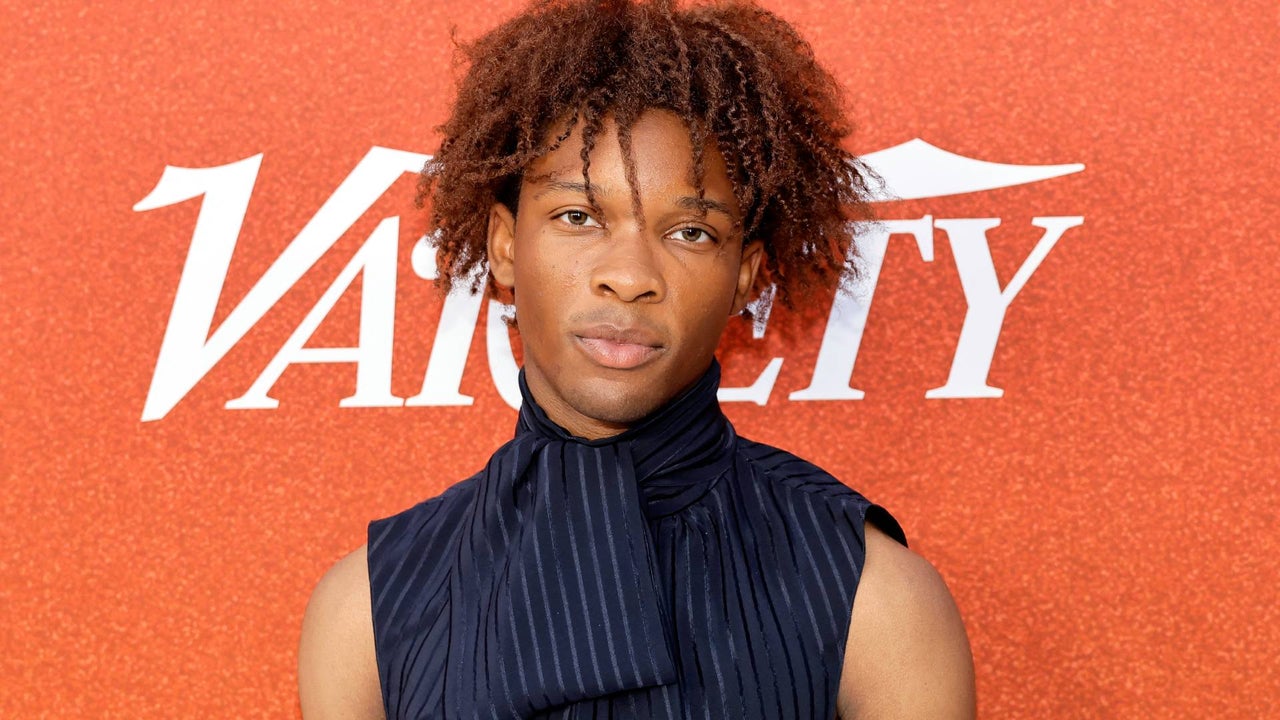
Rapper D4vd, identified in reports by his real name David Burke, has been arrested by Los Angeles police in connection with the killing of 13-year-old Celeste Rivas. Both opposition and government-aligned coverage agree that Rivas’s dismembered body was discovered in the trunk of a Tesla registered in Burke’s name, after neighbors at a Hollywood storage facility alerted authorities to a strong odor coming from the parked vehicle, leading to the grim discovery and Burke’s subsequent detention. Outlets on both sides concur that the incident occurred in Los Angeles, that the victim was a minor, and that the case is being treated as a homicide investigation centered on the vehicle and its registration to the rapper.
Across outlets, there is also alignment that Burke’s international music tour has been suspended in the wake of his arrest, and that police are still investigating the sequence of events that led to Rivas’s death and the concealment of her body. Coverage from both camps acknowledges that law enforcement has not yet released a detailed motive or full timeline, that forensic examinations and interviews are ongoing, and that formal charges and court proceedings will determine whether Burke is ultimately convicted. There is shared reference to standard criminal-justice procedures in such cases, including evidence collection from the car and storage facility, pending autopsy results, and the role of Los Angeles authorities in coordinating with other jurisdictions should the investigation expand.
Framing of the crime and suspect. Opposition-aligned sources tend to emphasize the brutality of the killing and Burke’s public persona, stressing the gruesome nature of the dismemberment and portraying the case as emblematic of moral decay in celebrity culture. Government-aligned outlets, by contrast, generally maintain a more procedural tone, foregrounding police statements and the presumption that details remain under investigation, and describing Burke primarily as a detained suspect linked by vehicle registration rather than as a symbol of a broader social crisis.
Treatment of due process and presumption of innocence. Opposition coverage is more likely to imply Burke’s guilt through language that fuses his identity with the crime, highlighting the car’s registration in his name and the severity of the allegations as if they are already established fact. Government-aligned reporting usually stresses that investigators are still gathering evidence, that motives and accomplices have not been conclusively identified, and that the legal process will determine responsibility, often including references to ongoing forensic work and the possibility of additional suspects.
Use of political and institutional context. Opposition outlets often connect the case to perceived failures of law enforcement or social policy, suggesting that violent crime involving entertainers reflects systemic breakdowns and sometimes hinting at government distraction or incompetence in addressing youth safety. Government-aligned sources are more inclined to isolate the case as an individual criminal matter, referencing police professionalism and investigative steps, and avoiding framing it as symptomatic of broader governance problems unless official statements make such links.
Focus and sensationalism. Opposition-aligned media are likelier to dwell on lurid details, social-media reactions, and the shock value of a famous rapper allegedly tied to a dismembered body, using tone and imagery that heighten public outrage. Government-aligned coverage generally keeps descriptions of the body and crime scene minimal, concentrating instead on verifiable facts like the location, the vehicle’s registration, and the suspension of Burke’s tour, and it tends to quote officials rather than amplify speculative commentary about the rapper’s lifestyle or fanbase.
In summary, opposition coverage tends to treat the case as a damning symbol of cultural and institutional failure and leans into sensational and accusatory framing around D4vd, while government-aligned coverage tends to treat it as a serious but discrete criminal investigation, emphasizing official procedures, limited confirmed facts, and the ongoing nature of the inquiry.
