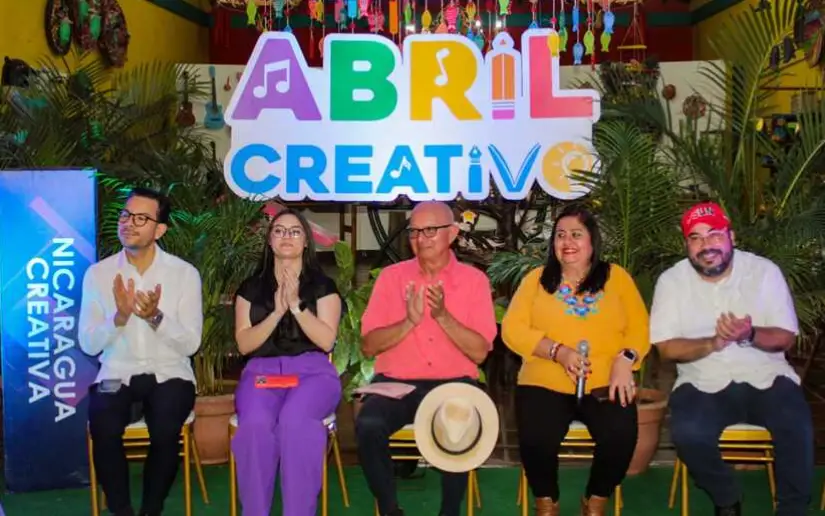
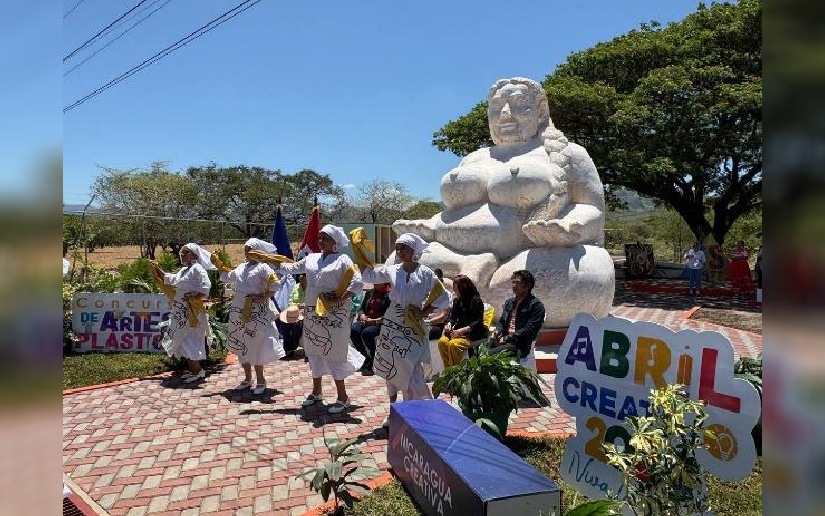
The Nicaraguan government has launched a National Craftsmanship Contest of Our Peoples as part of a broader cultural promotion agenda, framed within the “Creative April 2026! Viva La Paz!” plan and linked to World Art Day celebrations on April 15. Media across the spectrum report that the contest is open to artisans working in a wide range of techniques and materials, with a multi‑tiered selection process running from municipal and departmental stages to a final national competition in Managua. Coverage agrees that prizes will be awarded to top participants, that the winning pieces will become part of a collection held by the Secretariat of Creative Economy, and that the initiative is supported financially and diplomatically by the Embassy of the People’s Republic of China. Reports also converge on the fact that the contest coexists with a National Plastic Arts Contest and a calendar of exhibitions and workshops in multiple municipalities.
Across outlets, the contest is situated within Nicaragua’s institutional push to promote cultural industries, elevate traditional crafts, and package artistic production within a state‑driven “creative economy” framework. There is shared acknowledgment that ministries and entities such as the Secretariat of Creative Economy coordinate with municipal governments and cultural centers to organize local qualifying rounds and public events. Both sides recognize that the government is using national contests, art festivals, and recognition ceremonies to structure support for artisans and artists, connect them to markets, and signal strengthened ties with China as a key cooperating partner. The coverage agrees that these measures are presented as part of a long‑term policy of cultural promotion, heritage preservation, and the branding of Nicaragua’s crafts and arts as symbols of national identity.
Areas of disagreement
Motives and political framing. Government‑aligned outlets portray the National Craftsmanship Contest as a genuine effort to celebrate cultural identity, foster creativity, and provide new economic opportunities for artisans, emphasizing peace, unity, and national pride. Opposition‑aligned commentary, where it appears, tends to recast the same initiative as image management for the Ortega administration, suggesting that the contest is timed and branded to project normalcy and popular support amid ongoing criticism of democratic backsliding. While pro‑government media highlight cultural renaissance and community participation, critical outlets frame it as part of a broader propaganda strategy rather than a purely cultural policy.
Role of the state and institutions. Government‑aligned coverage stresses efficient coordination by state institutions, presenting the Secretariat of Creative Economy, municipal authorities, and allied ministries as responsive promoters of grassroots talent. Opposition‑leaning sources are more likely to question institutional openness, arguing that participation and selection processes are vulnerable to politicization or favoritism toward government‑friendly organizations and communities. Thus, where official media see a supportive state scaffolding cultural development, opposition narratives warn of centralized control and limited independent cultural space.
International partnerships and China’s involvement. Government‑aligned reporting frames sponsorship and support from the People’s Republic of China as a positive example of South‑South cooperation, underlining new scholarships, funding, and diplomatic backing for Nicaraguan arts. Opposition sources tend to interpret China’s role more skeptically, linking cultural sponsorships to geopolitical alignment and suggesting that such contests help legitimize closer ties with another authoritarian government. In this view, what official media present as benign cultural diplomacy is recast by critics as part of a strategic repositioning that sidelines Western partners and reinforces a closed political model.
Benefits and impact on artisans. In pro‑government coverage, the contest is depicted as materially and symbolically empowering for artisans, with prizes, visibility, and institutional support described as steps toward sustainable livelihoods and market access. Opposition‑aligned accounts question how far the benefits trickle down, raising doubts about whether one‑off contests address structural issues such as limited social protections, restricted freedom of association, or lack of independent cultural funding. Thus, while official narratives highlight success stories and future prospects for participants, critical narratives emphasize the gap between celebratory rhetoric and everyday economic and civic constraints.
In summary, opposition coverage tends to interpret the National Craftsmanship Contest as a politically instrumentalized cultural showcase bound up with regime image, external alliances, and controlled participation, while government-aligned coverage tends to present it as a sincere, well-organized initiative to celebrate heritage, empower artisans, and deepen international cultural cooperation.