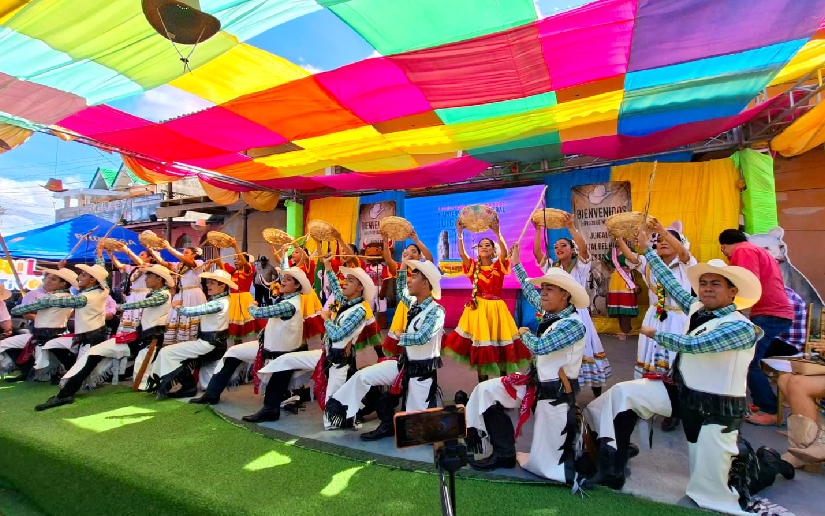
The Creative Circuit "Pre-Columbian Splendor and Ancestral Learning" has been launched in Juigalpa, in the department of Chontales, Nicaragua, as a new cultural and educational route. Government-aligned coverage reports that the circuit begins at Josefa Toledo de Aguerri Central Park and connects key sites such as the Palacio de la Cultura, the Gregorio Aguilar Barea Museum, the local zoo, museums, and historic houses, with QR codes guiding visitors through gastronomic, artisanal, and educational experiences. These outlets agree that the initiative targets new generations and visitors alike, is framed as a tool for strengthening knowledge of historical and archaeological heritage, and includes the introduction of a themed weekend bus service called "El Torín" that offers a combined historical, educational, and traditional tour through Juigalpa.
Shared context across the available coverage highlights that the project is presented as part of broader efforts by Nicaragua’s Government of Reconciliation and National Unity to promote cultural identity, preserve ancestral knowledge, and develop cultural and experiential tourism. The circuit is described as integrating creative economy concepts—linking artisans, gastronomy, and local artists with heritage spaces—so that Juigalpa can position itself as a regional center for culture and knowledge. Both the institutional narrative and general framing place the initiative within a long-running emphasis on reconnecting Nicaraguans with pre-Columbian splendor and ancestral memory, using public spaces, museums, and digitized information tools as vehicles for education, identity-building, and tourism promotion.
Areas of disagreement
Motivations and political framing. Government-aligned outlets frame the Creative Circuit as a culturally driven, educational initiative rooted in the government’s commitment to reconciliation, national unity, and historical rescue. In this narrative, the state appears as a benevolent promoter of heritage, offering young people and tourists a positive route through Juigalpa’s museums and public spaces. Opposition-aligned sources, where they comment, are more likely to question whether the launch is also a political staging that highlights official branding while diverting attention from governance problems, human rights concerns, and economic hardship. They may suggest that ancestral memory is selectively curated to legitimize current authorities rather than foster plural historical reflection.
Resource allocation and priorities. Government-aligned coverage presents the investment in the circuit, services like the "El Torín" bus, and digital tools such as QR codes as efficient and socially beneficial spending that strengthens tourism, local entrepreneurship, and youth education. It emphasizes that promoting creative circuits is part of a broader strategy to boost the creative economy and provide new income streams for artisans and small businesses. Opposition-leaning commentary tends to question whether such cultural projects receive disproportionate promotion compared with underfunded health, education, or local infrastructure needs, arguing that heritage tourism is being prioritized over urgent social services. They may also express skepticism about how much of the economic benefit will reach ordinary residents versus politically connected operators.
Inclusiveness and control over culture. In pro-government narratives, the circuit is portrayed as inclusive, open to families, students, and tourists, and as a vehicle for community participation through local artists, artisans, and cultural promoters. These outlets stress that the project reconnects “new generations” with their roots and portrays institutions like museums and cultural palaces as welcoming spaces. Opposition-aligned voices tend to highlight that cultural spaces in Nicaragua operate under a climate of political control, where independent artists, critical intellectuals, or autonomous organizations often face restrictions, making state-organized heritage events feel tightly managed. They might argue that the official curatorship of pre-Columbian and ancestral themes leaves little room for critical or alternative interpretations of history.
Impact and sustainability. Government-aligned media emphasize the expected positive impacts of the circuit in terms of increased visitor flows, strengthened local identity, and long-term positioning of Juigalpa as a cultural and knowledge hub. They suggest that combining education, tourism, and creative industries will produce a sustainable model that continually benefits the municipality. Opposition-oriented analysis, by contrast, tends to question the sustainability of such initiatives in a weakened institutional and economic environment, asking whether maintenance, promotion, and genuine community ownership can be guaranteed once the initial launch fanfare fades. They may also warn that without transparency and independent oversight, measurable impact could remain limited or mainly propagandistic.
In summary, opposition coverage tends to cast the Juigalpa creative circuit as a potentially propagandistic, resource-misallocated, and tightly controlled cultural showcase whose long-term benefits are uncertain, while government-aligned coverage tends to present it as an inclusive, strategic, and sustainable investment in heritage, identity, and local development.