government-aligned
Would Luisa Castro have been unfaithful to Westcol? This would be the supposed proof that came to light
In the early months of 2026, Westcol and Luisa Castro made their romantic relationship official.
24 days ago
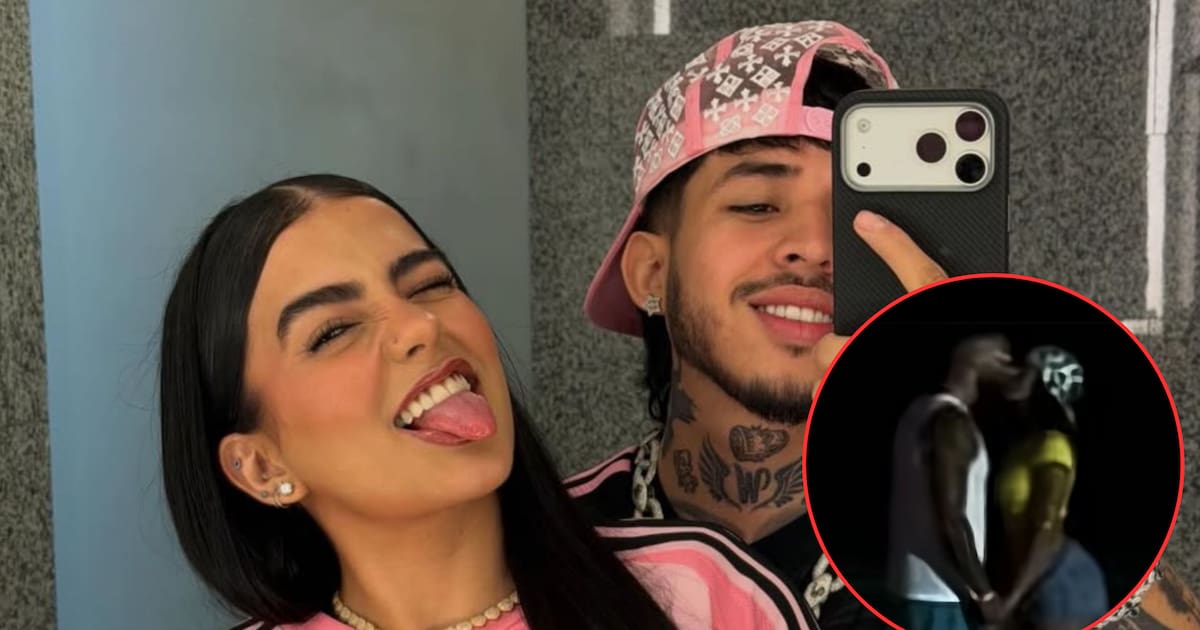
Viral clips and images circulating on social media show influencer Luisa Castro, partner of streamer Westcol since early 2026, allegedly being affectionate or kissing a Dutch businessman identified as Ruub during a trip to Brazil. Both opposition- and government-aligned outlets agree that these materials are being widely shared online as supposed proof of infidelity, that neither Castro nor Westcol has issued a formal public statement clarifying the situation, and that the authenticity and full context of the recordings remain unverified, leaving room for intense speculation.
Both sides also concur that the controversy is unfolding within the broader influencer and streaming ecosystem, where personal relationships are highly public and quickly become trending topics. They agree that the episode highlights how digital reputations can be shaped by viral content, that social media users play a central role in amplifying or challenging the narrative, and that emergent technologies like artificial intelligence complicate the ability of audiences and platforms to determine whether such compromising materials are genuine or manipulated.
Nature of the evidence. Opposition-aligned outlets tend to describe the Brazil footage in more concrete terms, highlighting “moments of intimacy” and treating the video as potentially strong evidence of infidelity pending clarification. Government-aligned coverage, by contrast, foregrounds doubts about the material, stressing that many users suspect AI editing or fabrication and emphasizing that the clips and images may not be reliable proof. While opposition narratives lean on what the camera appears to show, government-aligned sources focus on the unresolved questions around verification.
Framing of Castro’s conduct. Opposition reporting generally frames the situation as a scandal involving possible betrayal of Westcol, with the storyline built around whether Castro was unfaithful during an international trip with another man. Government-aligned outlets soften that framing, presenting the allegation more as an open question and suggesting that Castro may be the victim of manipulated content rather than a wrongdoer. In doing so, opposition pieces implicitly highlight her personal responsibility, whereas government-aligned coverage foregrounds her potential victimization.
Role of social media and public reaction. Opposition-aligned sources stress how online users are circulating and dissecting the video, contributing to a wave of gossip and speculation in the influencer community. Government-aligned coverage instead underscores that many netizens are questioning the veracity of the material and denouncing what they see as a coordinated smear campaign. Thus, opposition narratives cast social media mainly as an amplifier of alleged evidence, while government-aligned narratives highlight it as a space of skepticism and defense.
Underlying motives and implications. Opposition outlets largely limit themselves to the immediate relationship drama, suggesting the key issue is whether Castro cheated and how it affects her and Westcol’s public image. Government-aligned outlets go further by implying that there may be organized interests behind the release of the alleged proof, invoking the idea of a smear strategy that weaponizes deepfakes or AI-altered content. This leads opposition coverage to stress personal scandal and morality, while government-aligned coverage emphasizes digital disinformation risks and reputational attacks.
In summary, opposition coverage tends to treat the viral material as possibly incriminating and focuses on the relationship scandal it suggests, while government-aligned coverage tends to question the authenticity of the content and frame Castro more as a potential target of manipulation and smear tactics.