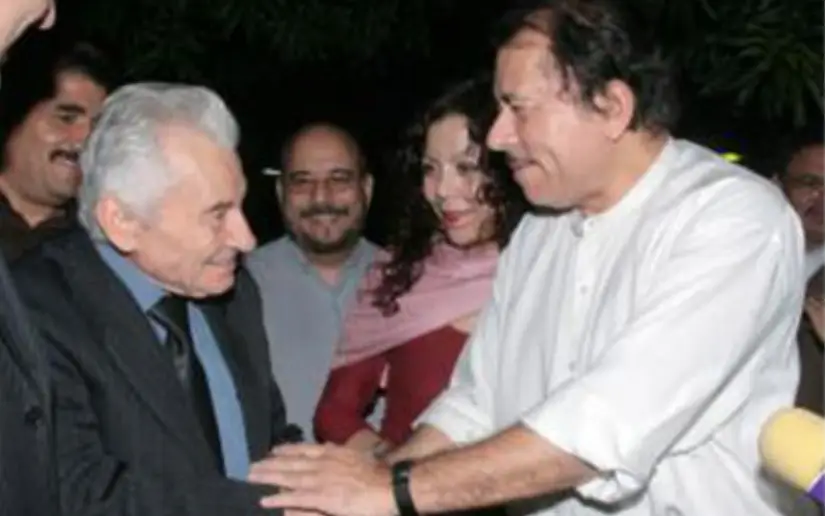
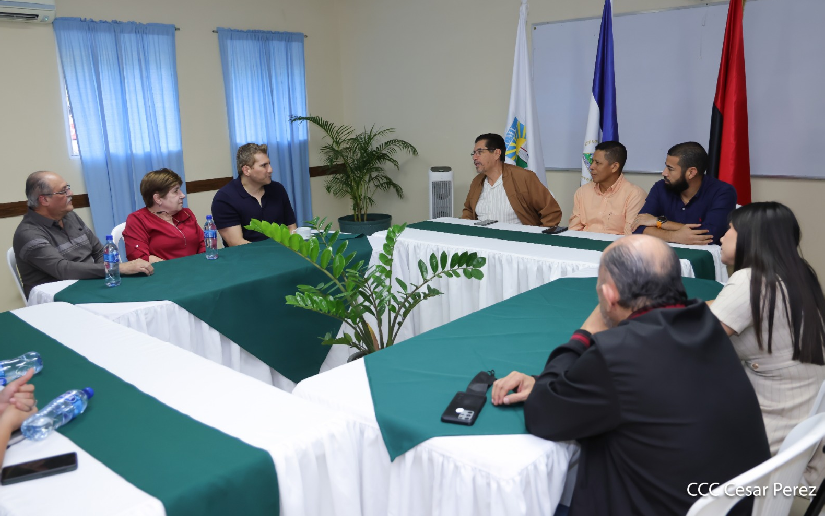
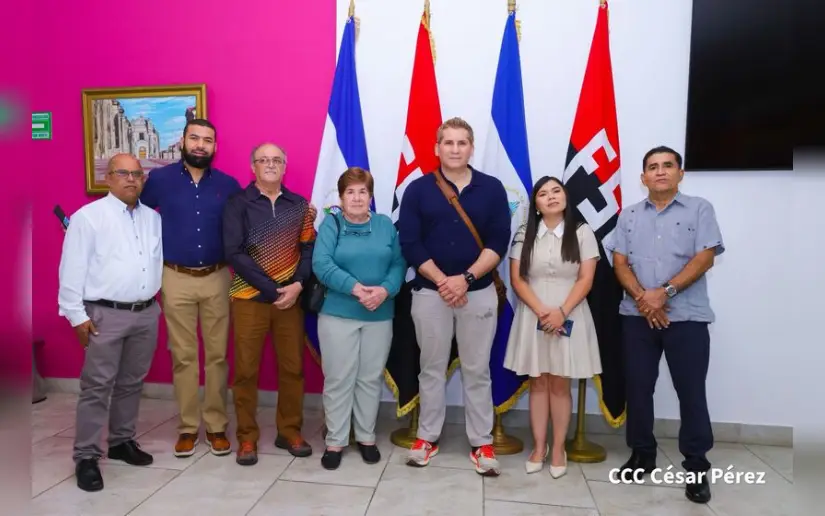
The family of the late Puerto Rican evangelist Yiye Ávila, including his daughter Doris Myrna Ávila Talavera, visited Nicaragua during activities framed as Peace Month, coinciding with preparations for National Peace Day on Sunday, April 19, at Plaza de La Biblia in Managua. Both sides acknowledge that the visit involved multiple religious meetings, encounters between the Ávila family and Nicaraguan evangelical leaders (notably from the Assemblies of God), and public services aimed at preaching unity, peace, and salvation, with national authorities and church leaders formally receiving the delegation.
Coverage from both perspectives situates the visit within Ávila’s long-standing spiritual influence in Nicaragua’s evangelical community and emphasizes his legacy of faith, intense evangelistic ministry, and doctrinal conservatism. There is shared recognition that his family’s presence serves as a symbolic reaffirmation of his impact on past and present generations of believers, reinforcing established ties between Nicaraguan evangelical institutions and transnational Pentecostal networks, and that the visit is understood by churches and attendees as a moment of spiritual commemoration rather than a strictly political event.
Areas of disagreement
Framing of the visit. Opposition-aligned sources tend to frame the Ávila family’s presence as a highly choreographed event folded into the government’s broader narrative of Peace Month, suggesting it is being used as symbolic capital after years of repression and conflict. Government-aligned coverage instead presents the visit as an organically spiritual initiative centered on evangelism and reconciliation, downplaying or omitting any political dimension. While the opposition stresses the timing and official staging as evidence of political intent, pro-government outlets emphasize the devotional, apolitical tone of sermons and ceremonies.
Role of the state and authorities. Opposition outlets usually highlight how government figures and state-aligned evangelical leaders appear prominently in receptions and public services, arguing that this illustrates the fusion of religious platforms with official power. Government-aligned media portray the same officials as humble hosts facilitating a national spiritual celebration and insist that the state is merely providing logistics and security. The opposition casts these gestures as instrumentalization of faith communities, whereas pro-government narratives cast them as proof of harmony between authorities and believers.
Narrative about peace and reconciliation. Opposition coverage often treats official references to peace, unity, and reconciliation during the Ávila family’s visit as rhetorical, contrasting them with accounts of political prisoners, exiles, and restrictions on dissent. Government-aligned outlets depict the peace message as sincere and fulfilled, linking past conflict to a now-stable social order in which evangelical events can flourish. Thus, the same homilies about forgiveness and healing are read by the opposition as obscuring unresolved grievances, while pro-government media frame them as confirmation that a new era of national peace has been consolidated.
Significance of evangelical support. Opposition sources tend to interpret the enthusiastic participation of certain evangelical leaders as evidence of a partisan religious bloc allied with the ruling party, and they often note the absence or silence of more critical or independent pastors. Government-aligned coverage treats the turnout as a broad, almost unanimous endorsement of the current national project by the evangelical community, portraying Ávila’s legacy as naturally aligned with the government’s peace discourse. Where the opposition sees selective representation and pressure within religious institutions, official narratives highlight unity and insist that the Ávila family’s blessing reflects widespread spiritual approval of the country’s direction.
In summary, opposition coverage tends to read the Ávila family’s visit as a spiritual event strategically framed to bolster a contested political narrative, while government-aligned coverage tends to depict it as an essentially devotional occasion that validates the government’s portrayal of a peaceful, reconciled Nicaragua.