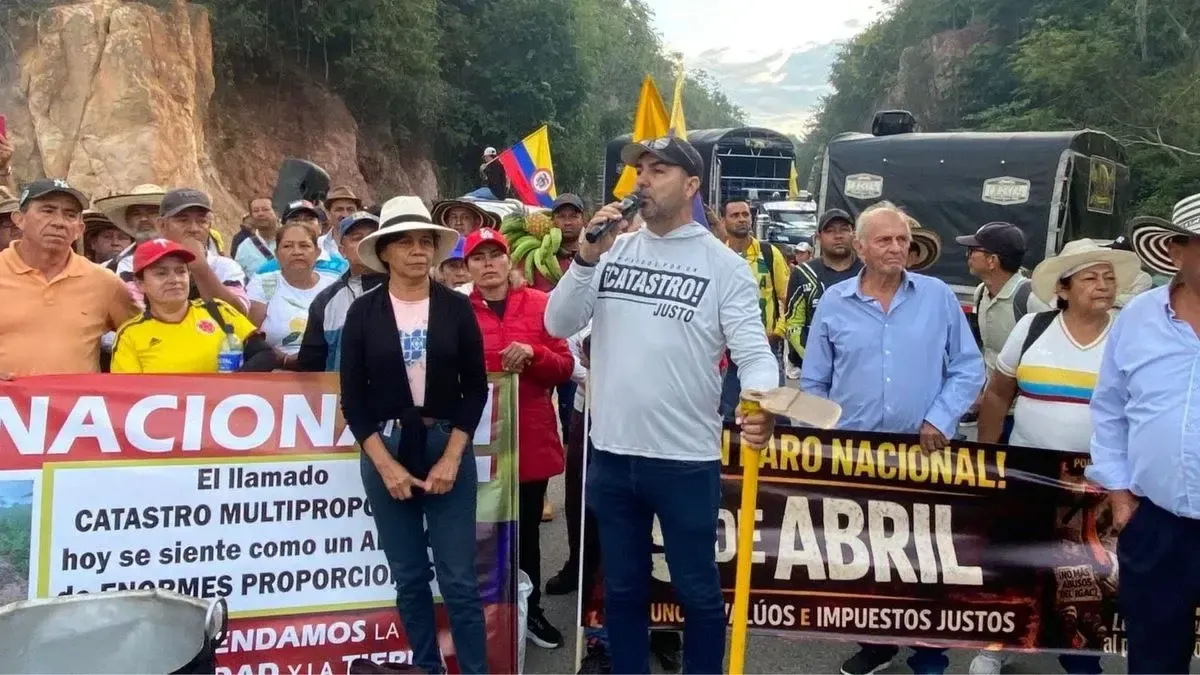
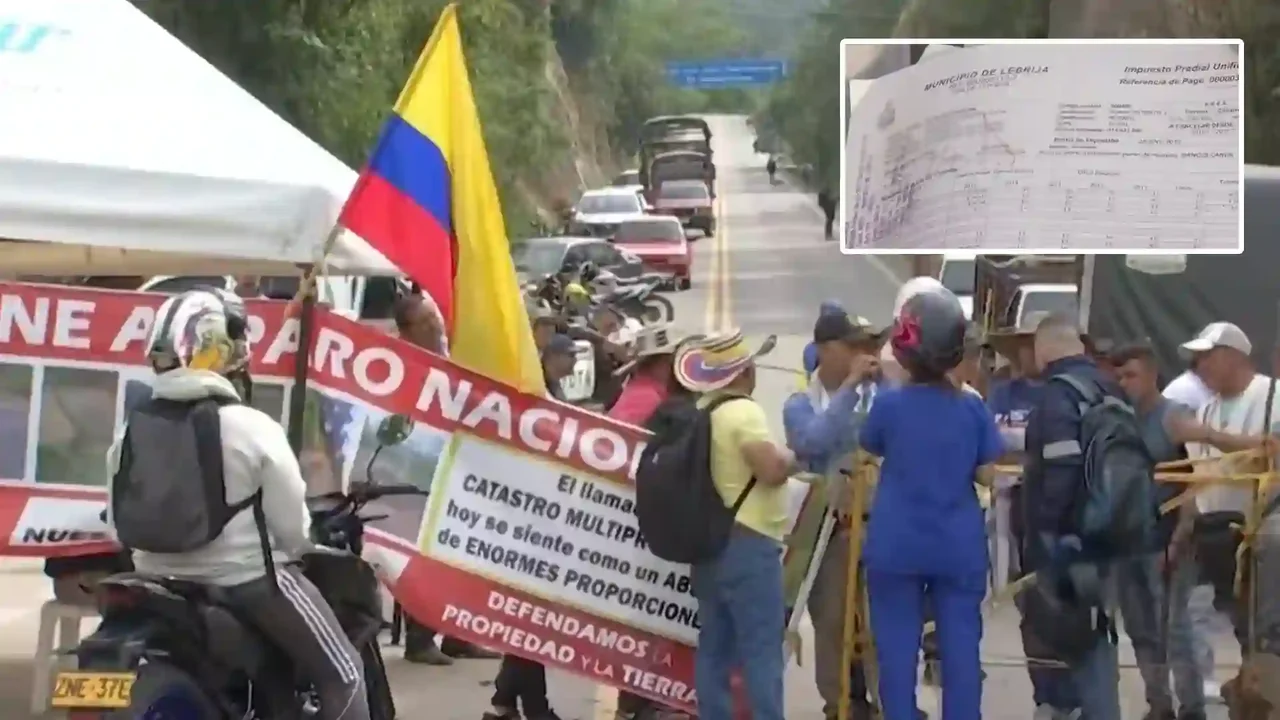
A nationwide strike in Colombia has led to extensive road blockades and disruptions across at least ten departments, particularly affecting regions such as Santander, Boyacá, Norte de Santander, and parts of the Caribbean coast. Both opposition and government-aligned outlets agree that the immediate trigger is anger over steep increases in property taxes following recent cadastral appraisal updates, with some reports citing hikes of several thousand percent in certain rural municipalities. They concur that the strike has paralyzed significant portions of land and air transport, temporarily closing or disrupting operations at airports like Palonegro International Airport in Bucaramanga, complicating events such as concerts, and forcing transport terminals, including Bogotá’s, to suspend ticket sales to multiple destinations for safety and operational reasons. There is shared acknowledgment that peasant, farmer, and rural organizations are leading the mobilizations, organizing road blockades that have isolated municipalities and affected essential services, including ambulance movements.
Across both media camps, there is broad agreement that the dispute centers on how cadastral valuations—managed by institutions such as the IGAC and the National Superintendence of Multipurpose Cadastre—have been updated and translated into higher property tax burdens. They align in describing Resolution 2057 and specific provisions in the National Development Plan as key legal instruments at the heart of protesters’ grievances, since these measures automatically raised cadastral values to align with market dynamics. Both sides also recognize that municipal councils, rather than the cadastral agencies themselves, formally set tax rates within legal limits, and that this institutional division of roles has become a focal point in the public debate. Finally, they concur that strike organizers are demanding repeal or modification of the contested norms and insisting on direct, formal dialogue with the national government to renegotiate the cadastral and property tax framework so that rural communities can bear the resulting fiscal obligations.
Areas of disagreement
Responsibility and blame. Opposition-aligned sources typically cast the national government and its recent reforms as directly responsible for the explosive tax increases, portraying Resolution 2057 and the Development Plan article as deliberate policy choices that ignored rural realities. Government-aligned outlets, by contrast, emphasize the technical nature of the cadastral update, framing it as a long-postponed correction to reflect real economic values and stressing that local councils set tax rates. While the opposition tends to depict the situation as a preventable political failure, government-friendly coverage often distributes responsibility across multiple levels of government and prior administrations.
Characterization of the strike and protesters. Opposition coverage tends to present the strike as a legitimate, largely peaceful and spontaneous uprising of peasants and rural communities defending their survival against confiscatory taxes. Government-aligned media more frequently highlight the disruptive impact of blockades on mobility, commerce, and essential services, underscoring chaos at airports, stranded travelers, and impeded ambulances. The opposition often stresses the breadth and social representativeness of the movement, whereas pro-government narratives are more likely to foreground issues of public order and the need for security guarantees before fully restoring normal operations.
Framing of the cadastral reform. Opposition outlets commonly describe the cadastral update as an aggressive fiscal maneuver or “tax blow” that translates almost automatically into unbearable property taxes, questioning both the fairness and timing of the reform. Government-aligned coverage instead frames the update as a one-time technical adjustment required to modernize the cadastre, attract investment, and align Colombia with international standards, repeatedly clarifying that cadastral values do not mechanically determine final tax bills. Where opposition media emphasize extreme individual cases of increases in the thousands of percent to argue systemic abuse, government-friendly sources contextualize such figures as outliers and underline existing legal caps and correction mechanisms.
Portrayal of government response and dialogue. Opposition-aligned reporting tends to portray the government as slow, reactive, or dismissive, insisting that authorities only moved meaningfully after widespread paralysis and that they remain reluctant to repeal core provisions. Government-aligned outlets highlight negotiation efforts, security deployments, and contingency measures—such as flexible airline policies and rerouted transport—as evidence of an active, problem-solving state. While the opposition often suggests that protesters are unified around outright repeal of the reform’s legal basis, pro-government coverage places more emphasis on possibilities for adjustment, technical review, and targeted relief rather than wholesale rollback.
In summary, opposition coverage tends to frame the strike as a justifiable rural revolt against an avoidable and politically driven tax shock, while government-aligned coverage tends to present it as a disruptive reaction to a necessary but imperfect technical reform that the state is actively trying to manage and recalibrate.