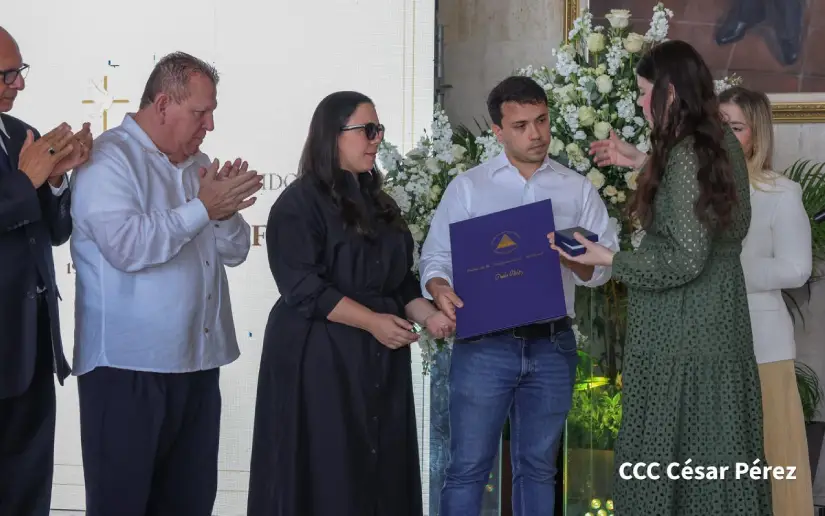
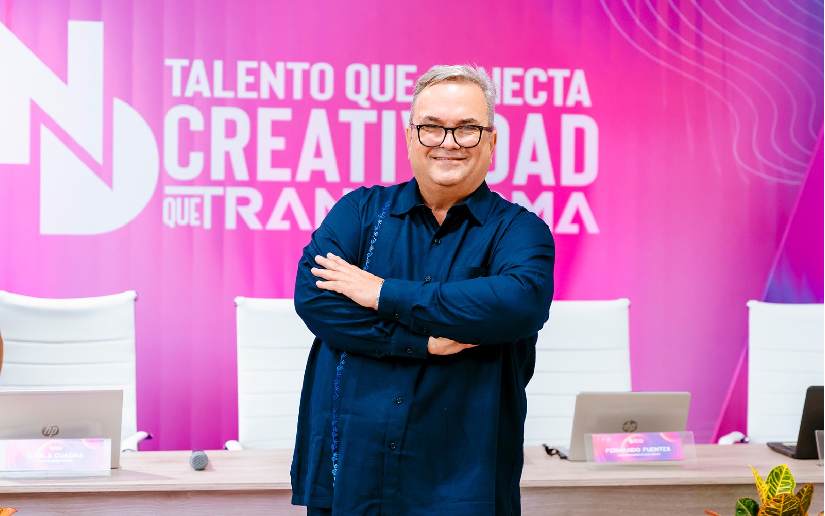
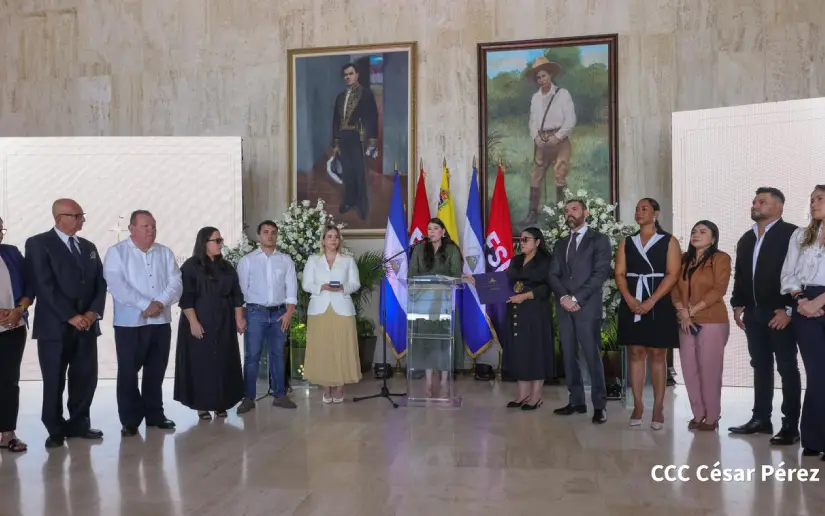
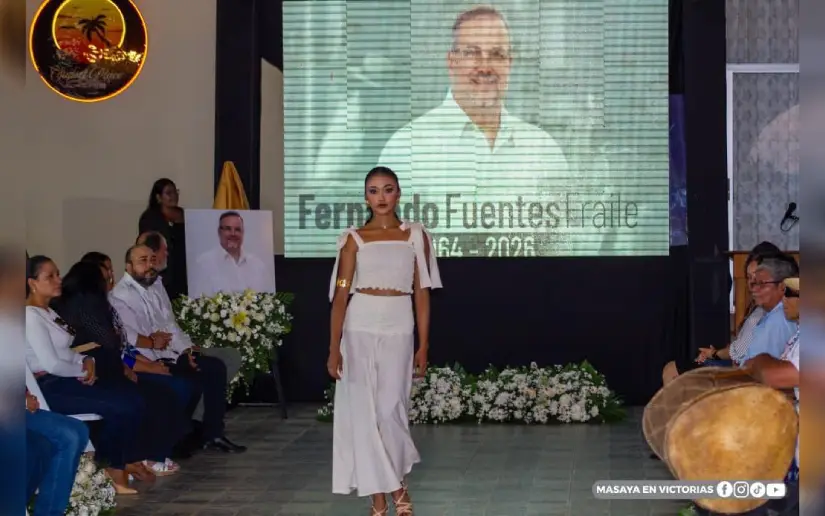
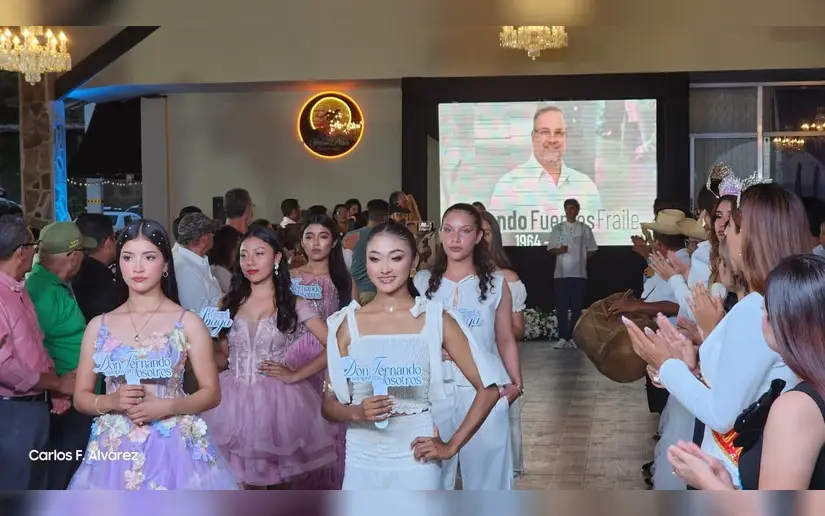
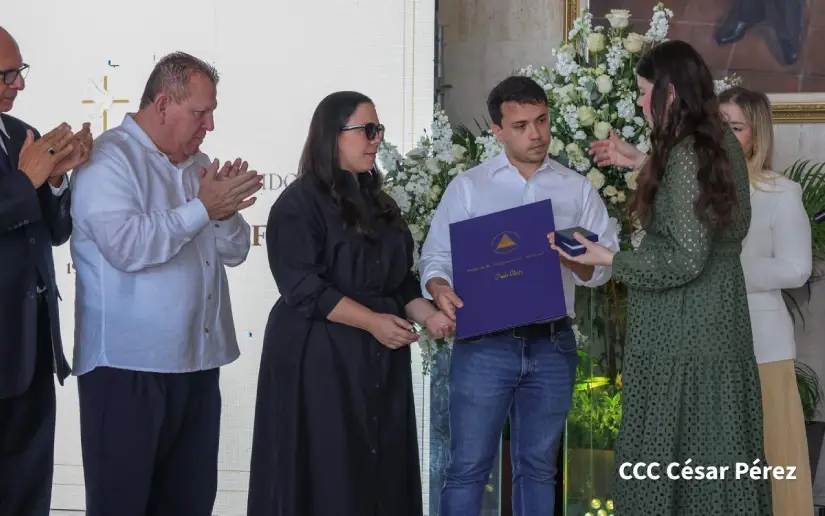
A posthumous tribute was held in Managua for Nicaraguan fashion designer and cultural promoter Fernando Fuentes Fraile, widely described across outlets as an emblematic figure in national creativity and design. Coverage agrees that the central act of the ceremony was the conferral of the Order of Cultural Independence Rubén Darío, one of the country’s highest cultural honors, which was presented to his family in recognition of his artistic and professional trajectory. Reports concur that Fuentes was celebrated for his decades of work in fashion, his support for emerging Nicaraguan talent, and his role in popularizing local design, with attendees including cultural figures, designers, and representatives of Nicaragua Diseña and government cultural institutions.
Accounts also agree that Fuentes’ legacy is framed around his passion, dedication, generosity, and his belief in the potential of Nicaraguan creators, with the tribute emphasizing the continuity of his influence on younger generations. Nicaragua Diseña and related cultural platforms are consistently cited as key institutional spaces where Fuentes collaborated, mentored, and helped showcase national talent. The shared narrative stresses that the ceremony was not only a commemoration of his life but also a reaffirmation of ongoing efforts to strengthen Nicaraguan culture and creative industries, linking his personal story to broader national cultural development.
Areas of disagreement
Political framing of the tribute. Government-aligned sources frame the event as a unifying national homage, highlighting the presence and leadership of figures such as Camila Ortega and Rosario Murillo as proof of the state’s commitment to culture. Opposition-aligned sources, where they comment, tend to portray such tributes as heavily politicized ceremonies that fold genuine cultural recognition into government self-promotion. While official media emphasize institutional solemnity, opposition commentary is more likely to question whether the tribute primarily served to reinforce the governing party’s image rather than purely celebrate Fuentes.
Representation of Fuentes’ legacy. Government-aligned coverage presents Fuentes chiefly as a “comrade” and nation-building cultural worker whose legacy aligns seamlessly with the government’s project of promoting peace, joy, and creativity. Opposition-aligned voices tend to stress his independent artistic stature and contributions to the broader fashion community, suggesting that his influence predated and exceeded the orbit of current government cultural brands. In this view, the official press is seen as selectively highlighting aspects of his biography that fit state narratives while downplaying any independent or apolitical dimensions of his work.
Role of cultural institutions. Government-aligned outlets underscore Nicaragua Diseña and state-linked cultural platforms as the natural and central vehicles for honoring Fuentes, depicting them as inclusive spaces that he helped strengthen. Opposition-aligned sources are more inclined to argue that these institutions function as partisan cultural apparatuses, so any posthumous homage channeled through them inevitably reflects political loyalties. Thus, while both sides recognize Fuentes’ work with such platforms, government media cast them as neutral engines of national culture, whereas opposition narratives frame them as extensions of the ruling party.
Public reception and inclusiveness. Official coverage emphasizes the emotional resonance of the tribute, portraying broad public gratitude and unity around Fuentes’ memory and suggesting that the ceremony spoke for the whole creative community. Opposition-leaning commentary is more likely to question how representative the event was, implying that independent designers or dissenting cultural figures were either marginalized or symbolically absorbed without their perspectives being heard. This leads government-aligned outlets to talk about a seamless cultural consensus, while opposition sources hint at underlying fractures within Nicaragua’s artistic community that the tribute did not fully acknowledge.
In summary, opposition coverage tends to treat the tribute as a politically framed ceremony that selectively incorporates Fernando Fuentes’ legacy into the ruling party’s cultural narrative, while government-aligned coverage tends to present it as a sincere, unifying national recognition of a beloved designer whose life and work naturally embody the state’s vision for Nicaraguan culture.