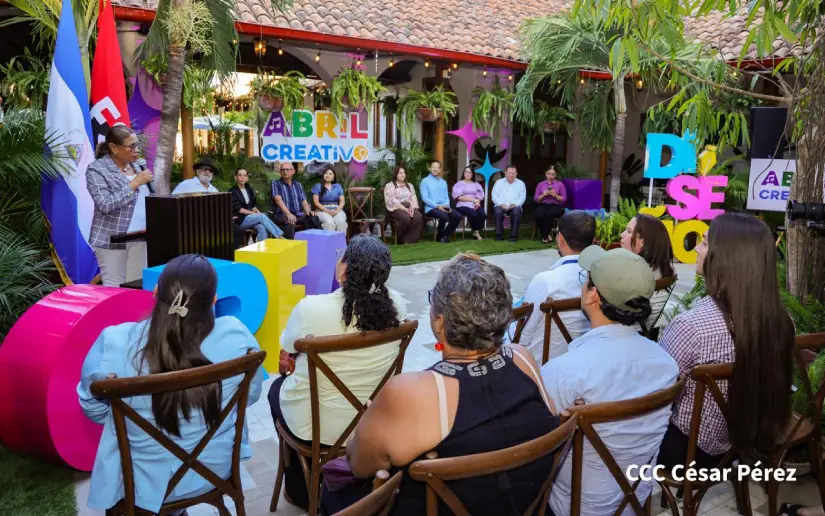
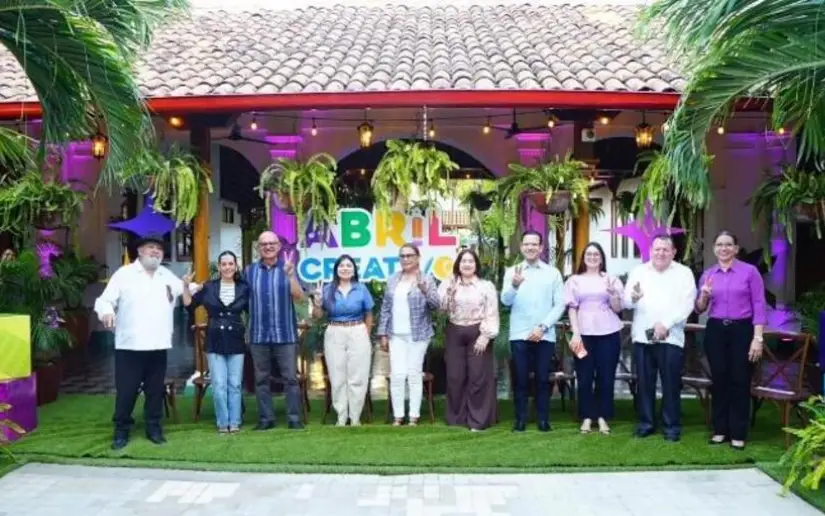
Nicaraguan media across the spectrum report that the government has announced a nationwide cultural and creative initiative branded as “Creative April 2026” or “Special Plan April Creative 2026,” framed around celebrating art, culture, and the creative economy throughout the month of April 2026. Coverage agrees that activities will include art and literary events, craft fairs, entrepreneurship and innovation contests, and creative circuits in various cities, with a symbolic launch in Granada and key programming aligned with World Art Day on April 15, involving state institutions, universities, private sector partners, and local communities.
Both sides also acknowledge that the initiative is positioned within Nicaragua’s broader push to develop its creative industries, promote youth talent, and showcase national identity and cultural heritage. There is shared recognition that the plan links cultural programming to economic goals such as supporting small creative entrepreneurs, stimulating local tourism, and creating platforms for innovation, while being tied discursively to themes of peace, social cohesion, and the projection of a positive national image.
Areas of disagreement
Motives and framing. Opposition-aligned sources tend to portray Creative April 2026 as a politically motivated spectacle that repackages routine cultural programming to polish the government’s image and distract from repression and economic hardship. Government-aligned outlets, by contrast, frame it as a sincere, strategic effort to deepen a culture of peace and foster a modern creative economy that benefits youth and communities. While critics emphasize propaganda and image management, pro-government media highlight vision, planning, and national pride.
Political context and inclusion. Opposition coverage underscores that the initiative unfolds under an authoritarian climate, arguing that independent artists, critical intellectuals, and autonomous cultural organizations are excluded or pressured to align with official narratives. Government-aligned reports instead emphasize broad participation by youth, community groups, and institutions, presenting the plan as open, inclusive, and representative of the nation’s cultural diversity. The former stresses silencing and co‑optation, while the latter stresses unity and social integration.
Economic impact and credibility. Opposition sources question whether short-term festivals and contests can meaningfully address structural unemployment or precarity in the arts, often suggesting that funding is limited, clientelist, or nontransparent. Government-aligned outlets present the initiative as a concrete driver of the creative economy, highlighting entrepreneurship bootcamps, contests, and circuits as pipelines for jobs, innovation, and local development. Critics see symbolic gestures and uneven benefits, whereas official narratives highlight growth opportunities and state-backed support.
Narratives of peace and rights. Opposition media are likely to challenge the heavy emphasis on “peace” in the branding, arguing that it masks ongoing human rights concerns, censorship, and exile affecting cultural figures. Government-aligned coverage celebrates the peace narrative as a hard-won national achievement that provides the stable environment necessary for creativity, education, and investment in culture. For the opposition, the language of peace is seen as rhetorical cover; for pro-government outlets, it is the central condition enabling the entire initiative.
In summary, opposition coverage tends to cast Creative April 2026 as a politicized, selective, and largely cosmetic cultural campaign with limited real benefits, while government-aligned coverage tends to depict it as an inclusive, peace-driven platform for youth talent, cultural pride, and the growth of Nicaragua’s creative economy.