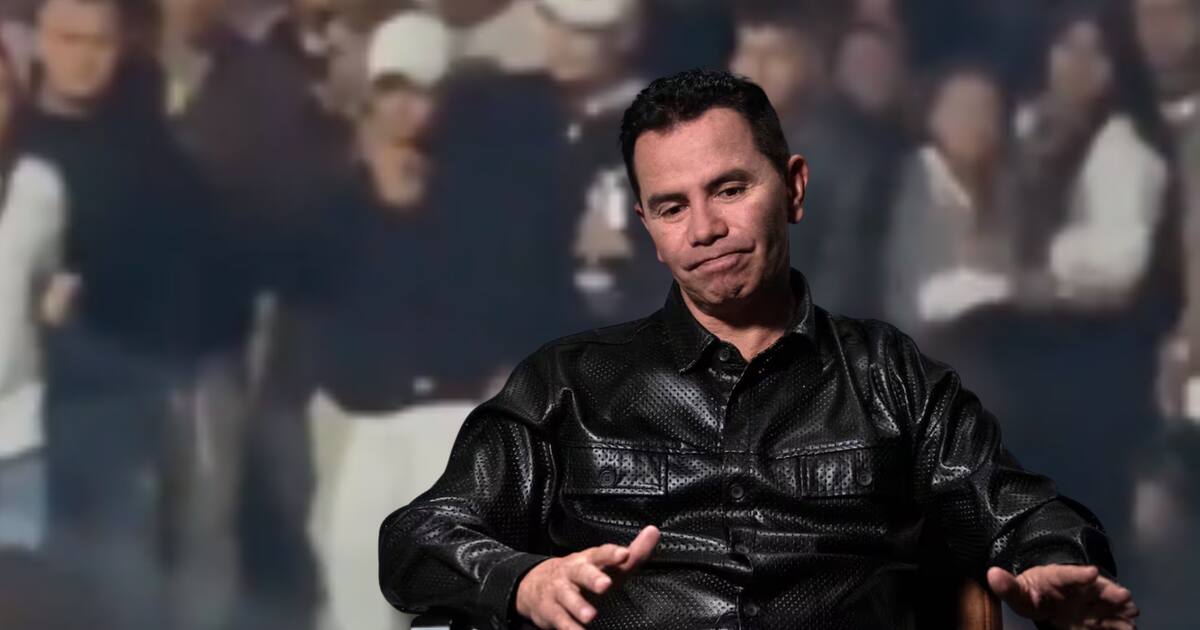
Colombian singer Jhonny Rivera recounted that during his honeymoon trip, he and his wife Jenny López were reprimanded by authorities in Dubai for public displays of affection, particularly when he put his arm around her in public spaces. Both sets of outlets agree that this occurred within the context of the United Arab Emirates’ restrictive norms on public affection, and that Rivera was also cautioned for making a peace sign gesture, which officials reportedly viewed as inappropriate. They concur that the incident did not escalate into formal charges but was serious enough that Rivera spoke of having “almost gone to jail,” and that it became a widely discussed anecdote once he shared it with followers.
Across the coverage, media agree that the episode illustrates the strict social and cultural rules in Dubai, rooted in Islamic norms that sharply limit public physical contact between couples, even those who are married. Both opposition and government-aligned sources present Rivera’s account as a cautionary tale for tourists about the need to understand and respect local regulations, contrasting Dubai’s glamorous, cosmopolitan image with its conservative legal and moral standards. There is shared acknowledgment that the story sparked debate on social networks over cultural sensitivity, personal freedom, and the challenges Latin American travelers face when navigating markedly different social codes in Gulf countries.
Areas of disagreement
Framing of the incident’s gravity. Opposition-aligned outlets highlight Rivera’s claim that he nearly went to jail, stressing the tension and fear the couple experienced and portraying the authorities’ reaction as disproportionate and rigid. Government-aligned coverage, while acknowledging the reprimand, tends to frame it as a firm but contained warning that never truly rose to the level of imminent imprisonment, emphasizing that the situation remained under control. This leads opposition media to suggest an intimidating legal environment for foreigners, while government-friendly outlets underscore that no formal legal process was initiated.
Cultural norms versus personal freedoms. Opposition sources use the story to underline the clash between Latin American expressions of affection and the strict moral codes of Dubai, often suggesting that such norms unduly restrict basic personal freedoms like holding a spouse’s hand. Government-aligned reporting, in contrast, stresses that visitors must adapt to local customs and laws, presenting the rules as a sovereign cultural choice deserving respect rather than as an overreach. As a result, opposition coverage reads as more critical of the host country’s regulations, whereas government-aligned outlets lean toward a discourse of cultural relativism and compliance.
Political and security subtext. Opposition outlets mention Rivera’s concern about broader regional security issues and the advice he received not to speak publicly about them, weaving this into a narrative of a heavily controlled environment that extends beyond affection norms. Government-aligned coverage largely omits or downplays these political and security angles, focusing instead on the social and cultural aspects of the reprimand and the social media reactions. This contrast allows opposition media to imply a more pervasive climate of surveillance and restriction, while pro-government sources keep the story within the bounds of a tourism and etiquette anecdote.
Tone toward Dubai’s image. Opposition-aligned media often juxtapose Dubai’s luxurious, tourist-friendly branding with what they present as unexpectedly harsh and intrusive rules, subtly questioning the city’s global openness. Government-aligned outlets, however, tend to protect Dubai’s cosmopolitan reputation by depicting the incident as a misunderstanding borne of cultural difference and insufficient tourist awareness, not as a fundamental contradiction. Consequently, opposition narratives hint at hypocrisy in the emirate’s image, whereas government-aligned pieces preserve a generally positive view of Dubai while merely advising caution.
In summary, opposition coverage tends to accentuate the severity, cultural friction, and broader climate of control surrounding Rivera’s experience, while government-aligned coverage tends to normalize the reprimand as a predictable enforcement of local customs that responsible tourists should anticipate and respect.