government-aligned
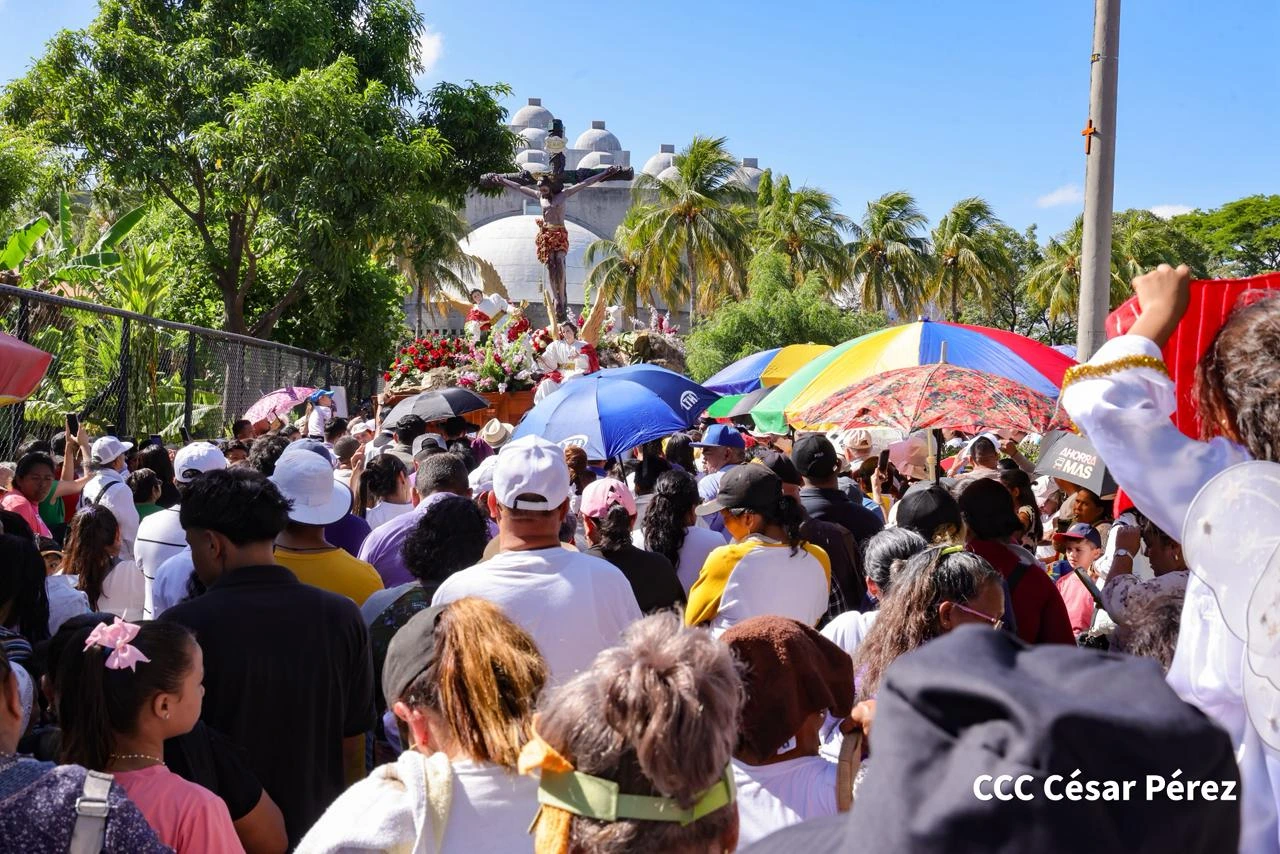
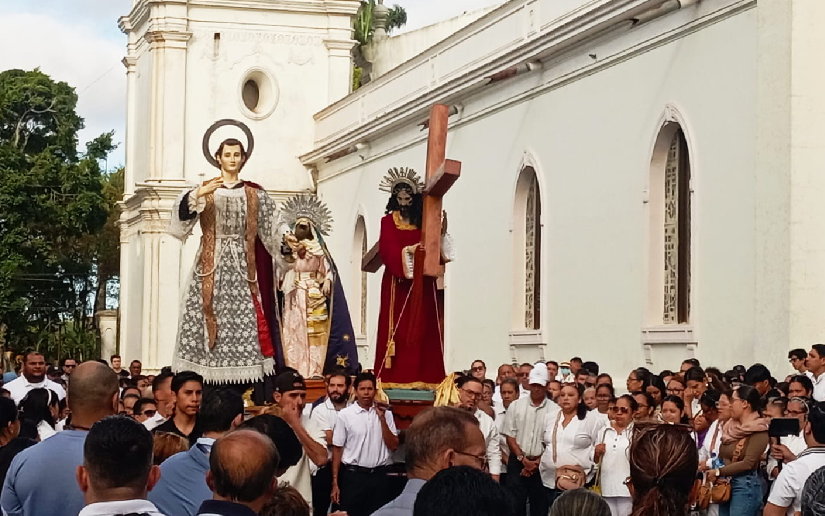
(Photos) Penitential Way of the Cross in Managua Cathedral
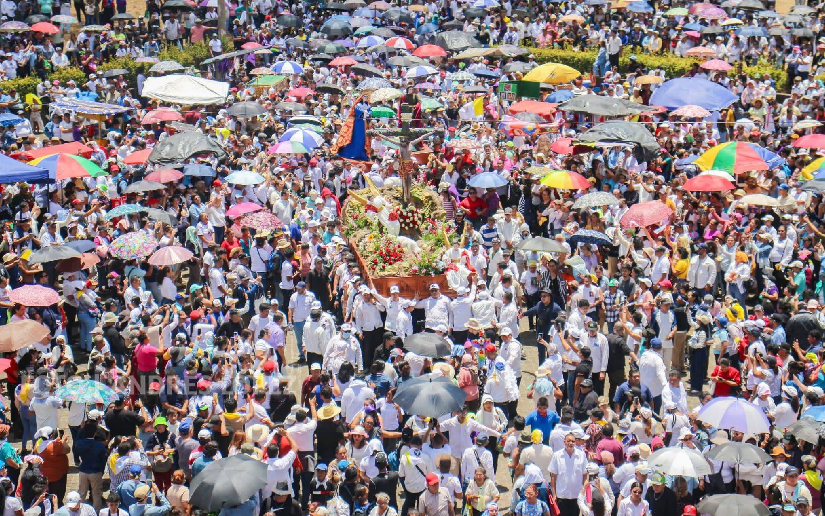
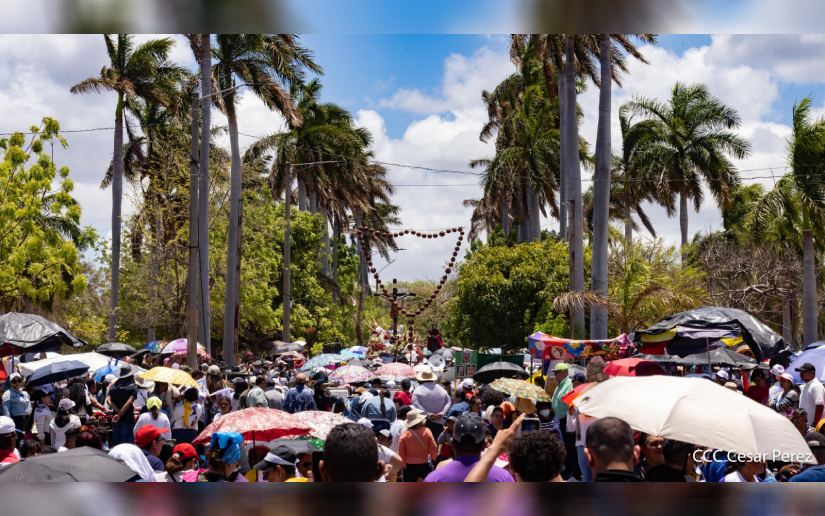
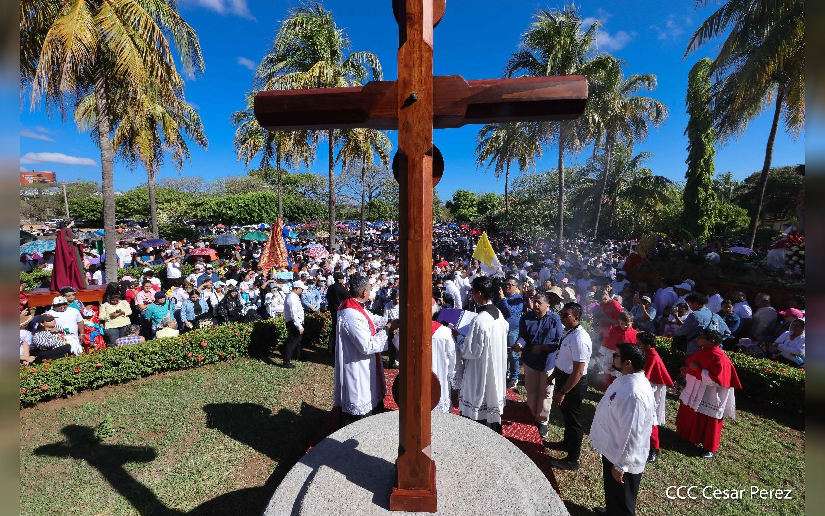
Thousands of faithful participated this Good Friday in the Penitential Way of the Cross at Managua Cathedral.
a month ago
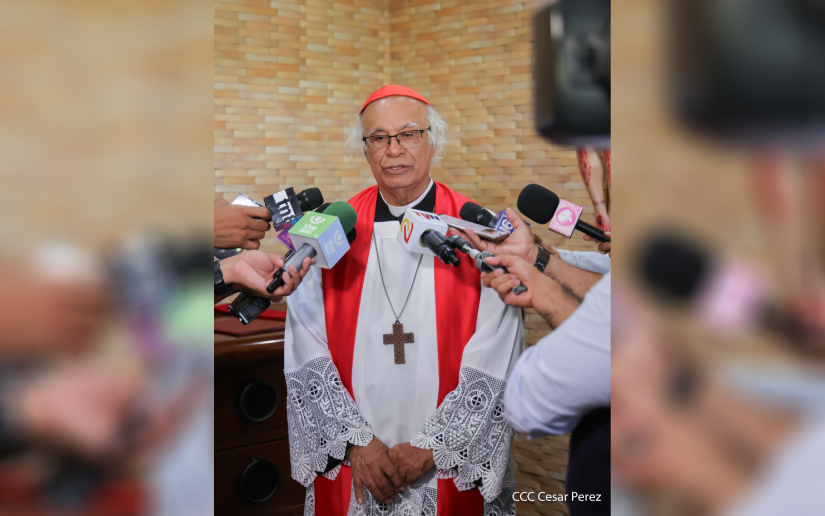
Thousands of Catholic faithful gathered at the Managua Metropolitan Cathedral on Good Friday for the traditional Penitential Way of the Cross, also referred to as the Holy Penitential Via Crucis or Viacrucis. The celebration took place on the cathedral grounds and inside the main church, was presided over by Cardinal Leopoldo José Brenes, and formed part of the broader Semana Santa observances in Nicaragua, featuring prayers, hymns, and meditative stations recalling Christ’s Passion.
Across outlets, coverage agrees that this is a long-standing, traditional rite in Nicaraguan religious life that draws families, children, and youth together, reinforcing Catholic and national cultural identity. Reports emphasize that the event unfolded peacefully and orderly, with an atmosphere of devotion, penitence, and community, and that Cardinal Brenes used the occasion to call for conversion of heart, love of neighbor, and a deeper living of Christian values in anticipation of Easter.
Characterization of the event. Opposition-aligned sources tend to frame the Penitential Way of the Cross as occurring under an atmosphere of political tension and religious restriction, stressing the broader conflict between the government and the Catholic Church and sometimes highlighting any security presence or limitations on public religious processions. Government-aligned media, by contrast, describe the same celebration as a purely spiritual and communal event marked by joy, harmony, and peace, with little or no mention of political strains or constraints on religious practice. Where opposition coverage might underline what has been curtailed compared with past open-air processions, government-aligned outlets focus on the strong turnout and the normality of worship as proof of religious freedom.
Role of the state and authorities. Opposition sources often portray the state as a controlling or repressive actor in the religious sphere, suggesting that processions are tolerated under close oversight and that the Church operates in a climate shaped by previous expulsions, detentions, or restrictions affecting clergy and laity. Government-aligned coverage, however, downplays or omits any state–Church friction and implicitly presents the authorities as guarantors of public order and respect for religious traditions, sometimes highlighting logistical support or media coverage as a sign of official backing. This leads to sharply different impressions of whether the Via Crucis reflects religious autonomy under pressure or a harmonious church–state coexistence.
Interpretation of Cardinal Brenes’ message. Opposition media tend to read Cardinal Brenes’ calls for conversion, mercy, and peace as coded critiques of injustice and appeals for reconciliation in a polarized country, casting his language about seeing others with love as an indirect challenge to political persecution or social division. Government-aligned outlets, by contrast, frame the same homiletic themes as generalized spiritual exhortations detached from current political disputes, emphasizing personal repentance, family unity, and inner peace rather than structural or institutional change. As a result, opposition narratives treat the cardinal as a cautious moral voice in a fraught context, while official-leaning reports present him chiefly as a shepherd guiding souls in a stable religious landscape.
Broader national context. Opposition coverage situates the Managua Via Crucis within a storyline of deteriorating civil liberties and a strained relationship between the regime and independent religious institutions, sometimes referencing previous episodes of church surveillance, exile, or confiscation to argue that even large devout gatherings take place in a climate of fear. Government-aligned sources instead embed the event in a narrative of social cohesion and cultural continuity, stressing how Holy Week strengthens Nicaraguan identity, family coexistence, and communal joy, and omitting references to human-rights or political controversies. Thus, where opposition outlets see the Via Crucis as both a devotional act and a quiet testament to resilience, pro-government media frame it as confirmation that the nation enjoys stability and untroubled religious life.
In summary, opposition coverage tends to depict the Penitential Way of the Cross as a deeply spiritual event unfolding amid political tension and church–state friction, while government-aligned coverage tends to present it as an entirely harmonious, apolitical celebration of faith and national unity.