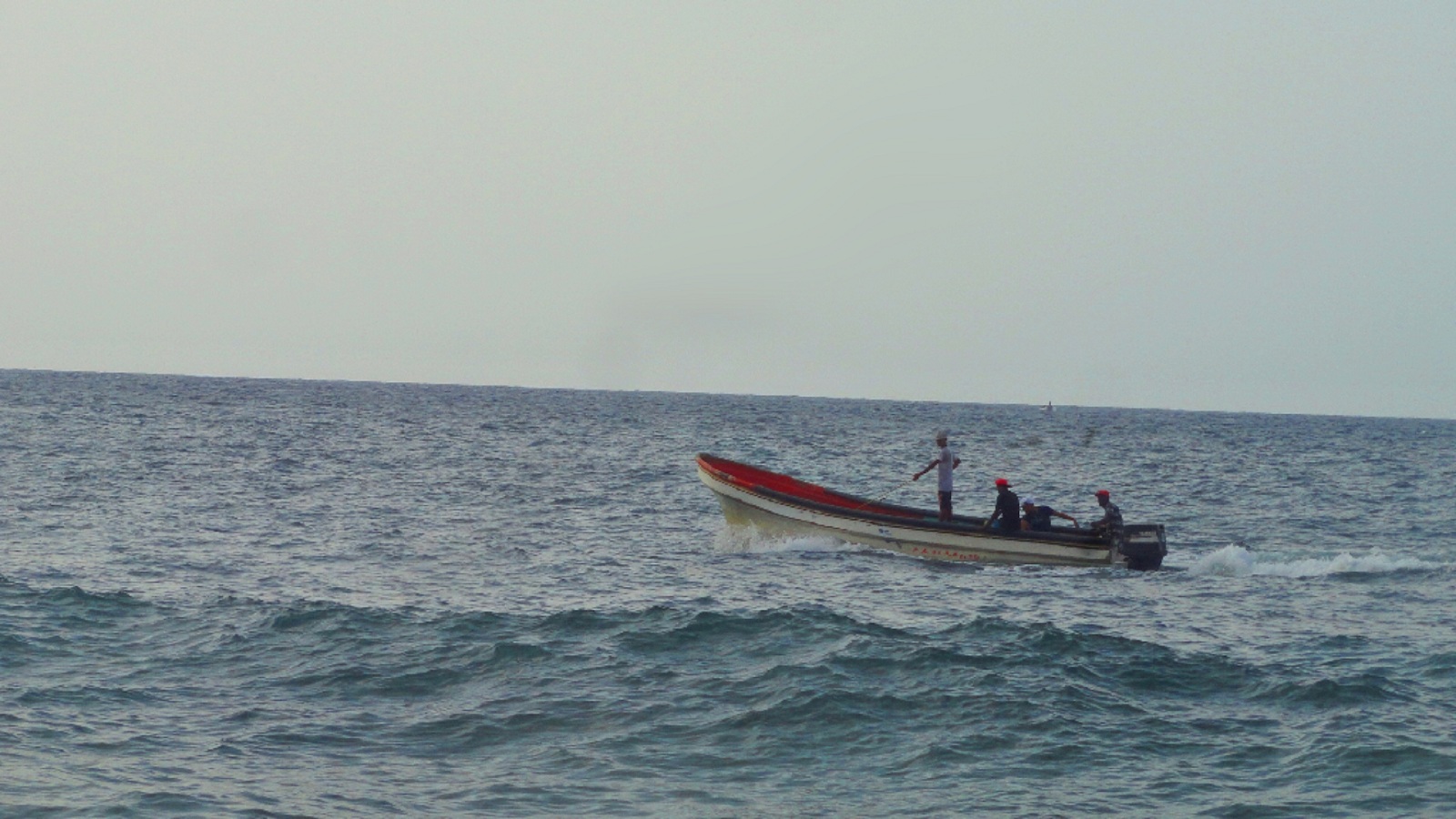
Two boats operating near Morrocoy National Park off the coast of Chichiriviche in the Monseñor Iturriza municipality, Falcón state, capsized amid strong waves, according to all available reports. Across outlets, there is agreement that one vessel, commonly identified as “Doña Gladys,” was carrying nine people and that seven of them were injured, including at least two minors, while the second vessel, often referred to as “Luli,” suffered material damage but no reported casualties. Both perspectives also concur that the incidents occurred as the boats were returning from recreational activities in the park area, that one boat briefly remained adrift after capsizing, and that multiple rescues were carried out in the same coastal zone, including the assistance of at least four swimmers caught in strong currents. There is no dispute that local maritime and civil protection authorities responded on site, evacuated the injured, and stabilized the situation without reporting fatalities.
Both opposition-leaning and government-aligned narratives situate the events within the broader context of tourist navigation in Morrocoy National Park, a popular but risk‑prone coastal destination where sudden weather changes and strong waves are a known hazard. They agree that the emergency response involved coordination among local maritime safety bodies, rescue teams, and municipal authorities, and that the rapid deployment of these institutions prevented the incident from becoming a mass‑casualty event. Coverage on both sides also acknowledges that such accidents highlight recurring issues of small‑boat safety, the vulnerability of family and leisure outings to changing sea conditions, and the need for effective alert systems and on‑site monitoring. Even where details differ, outlets generally accept that a combination of rough seas, limited vessel robustness, and the high volume of recreational traffic in the area underpins the risk profile of this stretch of the Venezuelan coast.
Areas of disagreement
Responsibility and blame. Opposition‑aligned outlets tend to frame the capsizing as symptomatic of systemic neglect, questioning whether lax enforcement of maritime safety rules and underinvestment in coastal infrastructure contributed to the boats’ vulnerability. Government‑aligned coverage, by contrast, emphasizes the role of unforeseen strong waves as the primary cause, portraying the incident as an act of nature rather than regulatory failure and avoiding direct criticism of oversight. Where opposition sources highlight possible overcrowding, vessel maintenance issues, or inadequate safety checks, state‑leaning reports focus on the victims’ prompt rescue and stress that navigation conditions suddenly worsened.
Institutional performance. In opposition narratives, institutional performance is usually scrutinized, with questions about whether civil protection services had sufficient equipment, whether response times were optimal, and if prior warnings about sea conditions were issued effectively. Government‑aligned media portray the institutions as efficient and well‑coordinated, foregrounding the quick deployment of rescue teams, the absence of deaths, and the successful evacuation of the injured as proof of state capacity. Opposition outlets are more likely to contrast the official heroism narrative with testimonies or social media posts suggesting confusion or delays, whereas pro‑government sources selectively feature official spokespeople and statistics to reinforce confidence in public agencies.
Structural causes and reform. Opposition‑leaning coverage often situates the event within broader structural problems, such as chronic shortages of equipment for the Coast Guard, insufficient funding for national parks, and a lack of transparent safety regulations for tourist operators, implying that reforms and accountability are needed. Government‑aligned outlets tend instead to isolate the capsizing as an unfortunate but contained episode, framing it as a reminder for general public prudence rather than as evidence of systemic policy failure. While opposition voices may call for investigations, tighter regulation, and modernization of maritime safety systems, official‑friendly media typically highlight existing protocols and ongoing government efforts without suggesting major structural change.
Use of victims’ stories. Opposition media are more inclined to foreground personal testimonies and social media accounts from passengers, relatives, or local operators to question official versions and raise doubts about how prepared authorities were for rough conditions. Government‑aligned sources tend to minimize or standardize individual narratives, focusing instead on brief victim status updates and quickly pivoting back to official statements that underscore control of the situation. This leads opposition outlets to portray victims as evidence of governance gaps, while pro‑government media present them mainly as beneficiaries of a competent rescue apparatus.
In summary, opposition coverage tends to frame the incident as a symptom of deeper governance and safety shortcomings that demand scrutiny and reform, while government-aligned coverage tends to stress natural causes, rapid institutional response, and the containment of the crisis as evidence that existing systems are functioning adequately.