government-aligned
VIVA CRISTO REY !
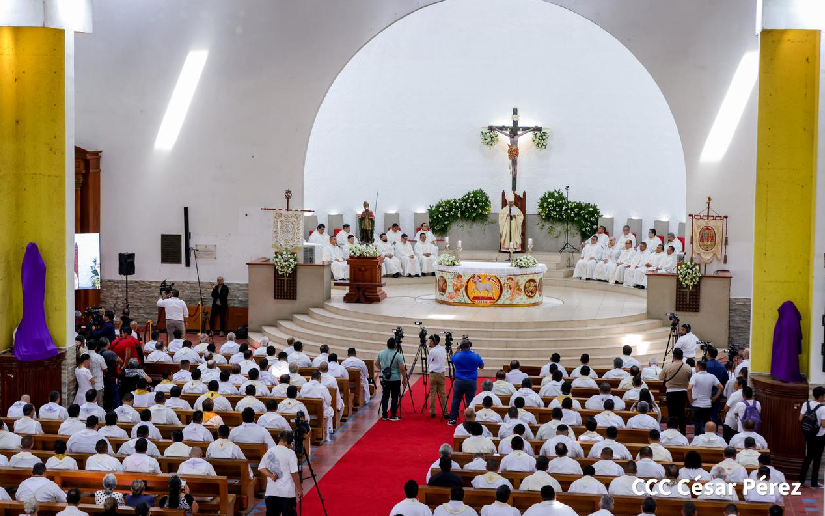
We share a video from Multinoticias Canal 4 with an informative note/summary: Cardinal Leopoldo Brenes officiates the Chrism Mass from Managua Cathedral.
a month ago
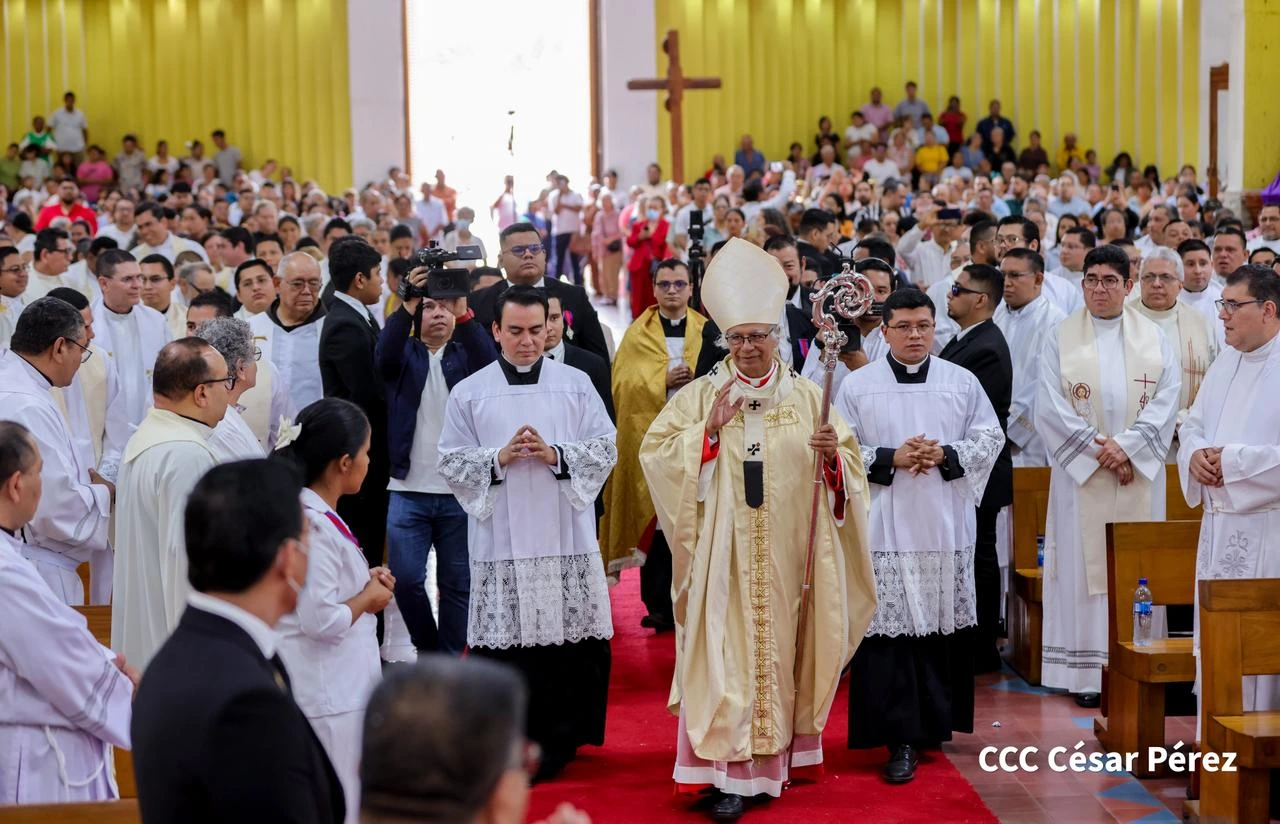
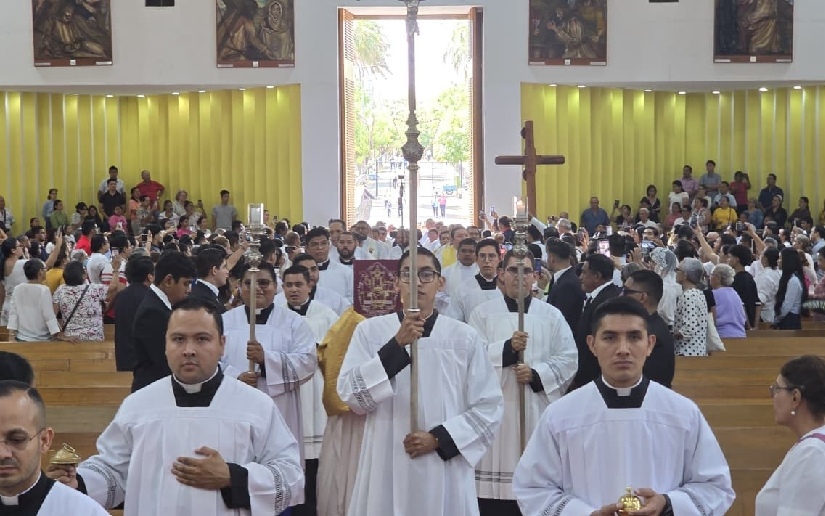
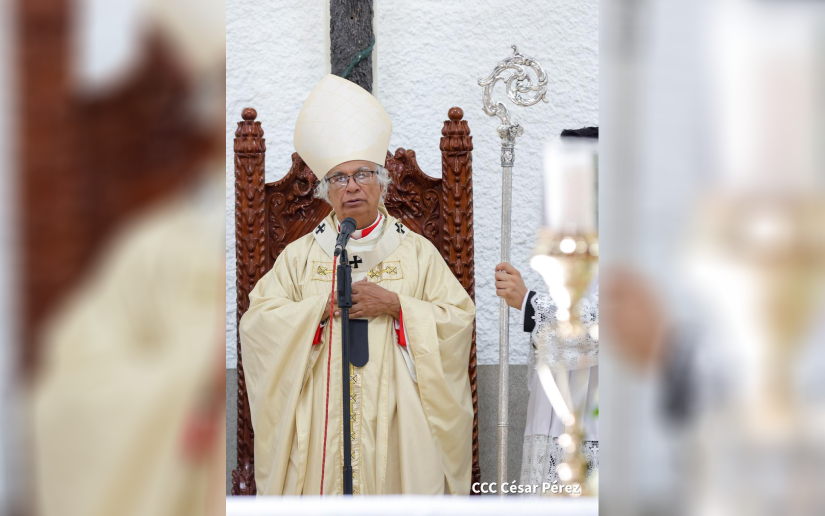
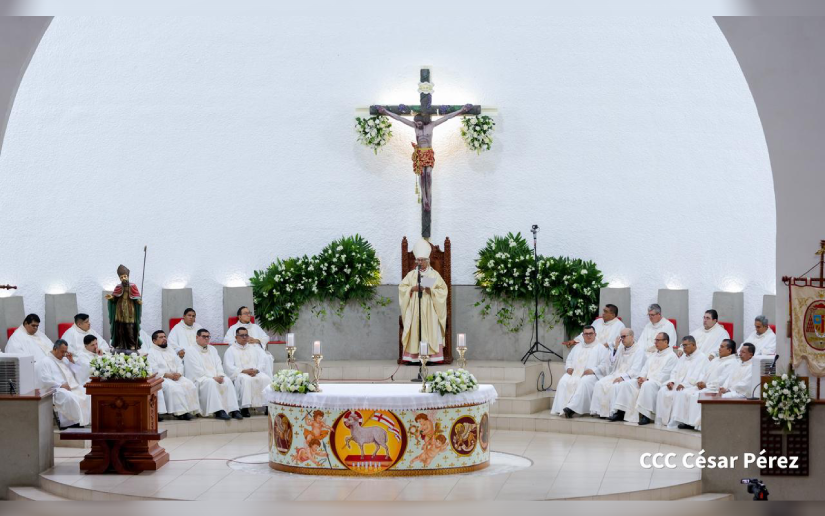
Cardinal Leopoldo Brenes presided over the traditional Chrism Mass on Holy Thursday at the Metropolitan Cathedral Inmaculada Concepción de María in Managua, a central Holy Week liturgy in which sacred oils are blessed and the holy chrism is consecrated. Both opposition and government-aligned sources concur that the cathedral was full, priests from across Nicaragua renewed their vows, and Brenes used his homily to emphasize the sacredness of priestly promises, the importance of reconciliation, and gratitude for the work of clergy and laity who support the Church’s ministry and sacramental life.
Across outlets, coverage places the celebration within the broader context of Holy Week in Nicaragua, where Catholic communities focus on confessions, catechesis, and preparation for Easter. They agree that Brenes highlighted the strong faith and devotion of Nicaraguan families and the active participation of parish communities, and that the Chrism Mass remains a symbolically important moment for reaffirming commitment to Christ and the Church, even amid broader national tensions and international scrutiny of the country.
Framing of the event. Opposition outlets describe the Chrism Mass within a tense political and human-rights climate, stressing that it occurs while public religious expression is being restricted and bishops are in exile, whereas government-aligned media present it as a serene, purely religious celebration with normal participation nationwide. Opposition coverage highlights the contrast between a packed cathedral and what they depict as a broader climate of repression beyond church walls, while pro-government reports focus on images of unity, fervor, and spiritual strengthening without mentioning political conflict or constraints. As a result, the same liturgy is framed either as a sign of faith under pressure or as proof of religious normalcy.
Religious freedom and processions. Opposition sources foreground international criticism and claims that the Ortega-Murillo government is limiting Holy Week processions to indoor spaces, interpreting Brenes’s refusal to deny a street-procession ban as tacit acknowledgment of state pressure, while government-aligned outlets omit any reference to bans or restrictions and instead stress that Holy Week activities are unfolding "normally" across the country. For the opposition, the Mass is evidence that the regime tolerates controlled, indoor worship while curbing public demonstrations of faith; for pro-government media, its orderly conduct and large turnout are invoked to counter accusations of persecution. This produces sharply divergent takeaways about the state of religious liberty.
Role of church leadership and absent bishops. Opposition coverage underscores the absence or exile of prominent bishops such as Rolando Álvarez, Isidoro Mora, Silvio Báez, and Carlos Enrique Herrera, presenting the depleted episcopal presence as a visible wound in the hierarchy and a direct consequence of governmental hostility, whereas government-aligned reports focus almost exclusively on Brenes and present the clergy corps as intact, active, and united. Opposition stories frame Brenes as navigating a constrained space, carefully avoiding open confrontation while ministering under duress, while official-leaning outlets cast him simply as a spiritual shepherd giving thanks for collaboration and support, without suggesting any political burden. Thus, one side reads the episcopal dynamics as marked by coercion and exile, while the other treats them as routine ecclesial life.
Significance of high turnout. For opposition media, the full cathedral is interpreted as a quiet but potent moral repudiation of the "dictatorship," suggesting that believers fill churches because public squares are tightly controlled and street expressions curtailed, while government-aligned outlets present the large attendance as evidence of social harmony and the population’s spiritual vigor under current conditions. Opposition narratives link the turnout to resistance and the search for refuge amid fear, whereas pro-government narratives link it to gratitude, joy, and the success of parish-level evangelization. These differing interpretations turn the same fact—crowded pews—into either a sign of defiance or of contentment.
In summary, opposition coverage tends to embed the Chrism Mass in a narrative of repression, exile of church figures, and constrained but resilient faith, while government-aligned coverage tends to portray it as an unproblematic, spiritually uplifting celebration that showcases normal religious life and widespread support for the Church’s ministry.