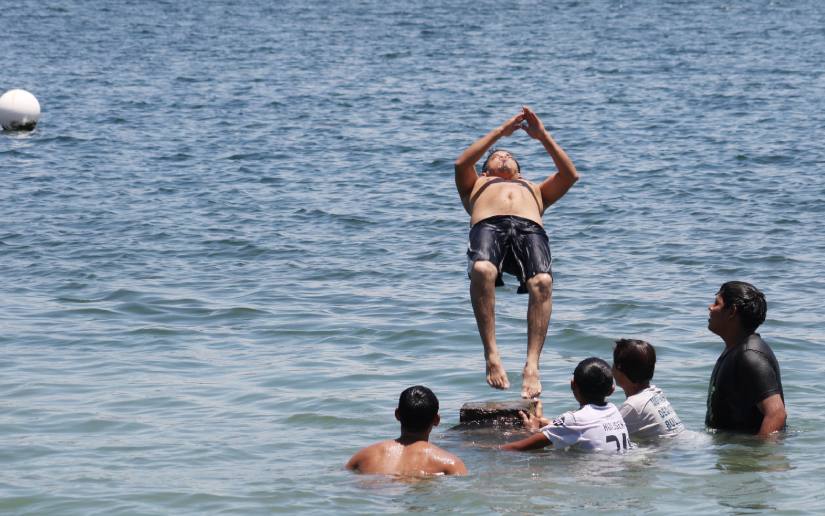
Holy Week coverage of Xiloá Lagoon centers on large numbers of families visiting the natural site in Mateare to enjoy the sun, swim, and seek relief from the heat. Across accounts, Xiloá is described as a relatively clean, visually appealing freshwater destination that has seen recent infrastructure improvements aimed at visitor comfort and safety. Reports consistently note the presence of lifeguards or rescuers and National Police personnel deployed during Holy Week to prevent accidents and maintain order, with visitors quoted as appreciating both the upgraded facilities and the sense of security.
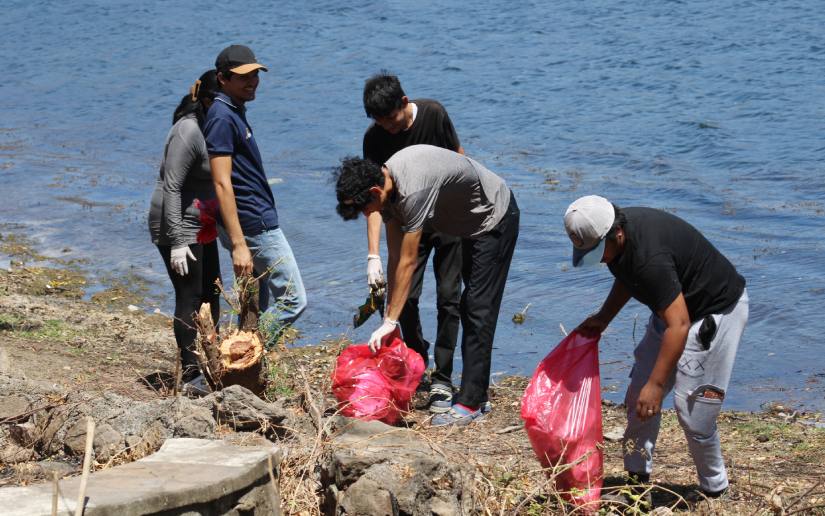
Shared context emphasizes Xiloá Lagoon’s role as an accessible recreational space near Managua that draws both local residents and visitors from other departments during the Easter vacation period. Information converges on the idea that Holy Week is a critical moment for tourism promotion and environmental stewardship at the lagoon, with organized youth and community groups mobilized for cleanup efforts. Both sides acknowledge the Guardabarranco Environmental Movement or similar youth brigades as active in removing trash and raising awareness about caring for coasts, lakes, rivers, and protected areas, presenting such actions as part of broader, recurring Holy Week campaigns.
Areas of disagreement
Framing of public institutions. Opposition-aligned sources tend to portray state involvement at Xiloá through a critical lens, emphasizing limitations in long-term environmental policy, selective investment, or the political motivations behind visible deployments of police and party-linked youth. Government-aligned media present the same institutions as efficient guarantors of citizen safety and well-being, highlighting coordination between the National Police, rescuers, and municipal authorities as proof of effective governance. While opposition narratives might question whether services are evenly distributed or sustainably funded, government-aligned outlets underscore institutional presence as a reassuring sign of order and responsiveness.
Environmental stewardship and responsibility. In opposition coverage, cleanup brigades at Xiloá are often framed as compensating for weak enforcement of environmental regulations and insufficient waste management infrastructure, with responsibility placed on authorities for allowing recurring contamination problems. Government-aligned outlets instead spotlight Guardabarranco and Sandinista Youth volunteers as evidence of a proactive, values-driven environmental policy, stressing their commitment and the visible cleanliness of the lagoon. The opposition is more likely to ask whether underlying sources of pollution are being addressed, whereas official narratives celebrate each cleanup as a successful, patriotic civic action.
Political symbolism of youth movements. Opposition sources usually interpret the prominent role of Guardabarranco and related groups as part of a broader partisan strategy, arguing that environmental activities double as propaganda and mobilization mechanisms for the ruling party. Government-aligned outlets, by contrast, depict the same youth as non-partisan defenders of nature and the future, focusing on their enthusiasm, organization, and impact rather than any political affiliation. Where critics read these brigades as extensions of party structure, official media emphasize altruism, volunteerism, and national pride.
Tourism narrative and socioeconomic reality. Opposition-leaning reporting tends to question whether the promotional image of Xiloá as an “aquatic paradise” masks economic hardship, underemployment, and unequal access to quality services for nearby communities. Government-aligned coverage highlights affordable family recreation, improved facilities, and tourist satisfaction, presenting the lagoon as a success story of public investment and community benefit. The former may underline gaps between glossy tourist messaging and everyday living conditions, while the latter stresses the inclusive nature of the space and its role in broadening leisure opportunities for ordinary Nicaraguans.
In summary, opposition coverage tends to use Xiloá’s Holy Week crowds and cleanup drives to interrogate state performance, hidden costs, and political instrumentation, while government-aligned coverage tends to showcase the lagoon as a clean, safe, and well-managed family destination that validates official tourism and environmental policies.