government-aligned
Don Fernando Fuentes: An Icon Who Leaves an Indelible Mark on Nicaraguan Fashion
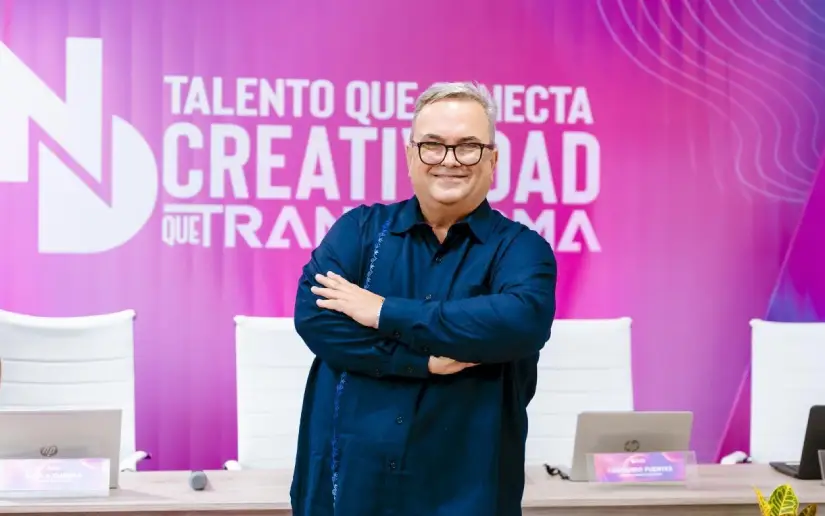
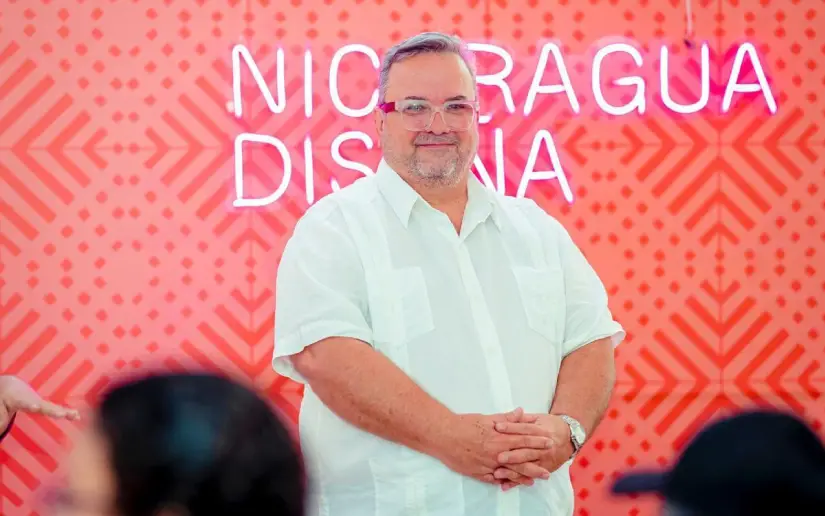
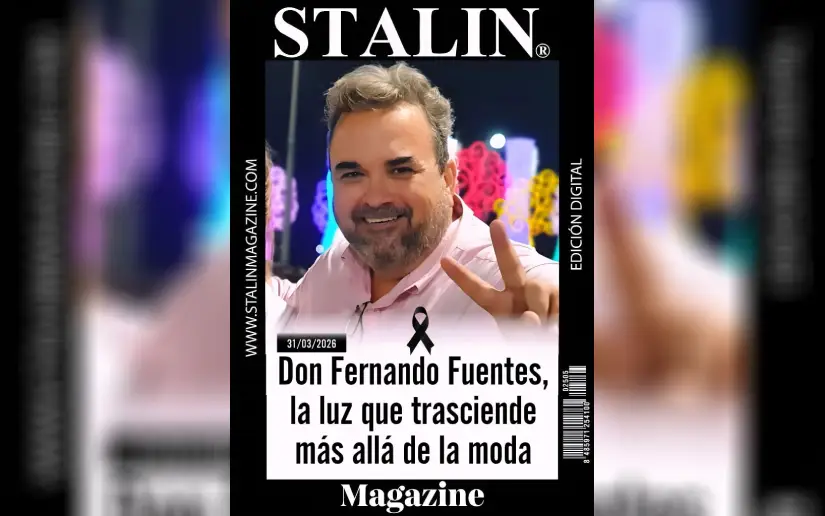
Don Fernando, an icon who was the Fashion Coordinator of the Nicaragua Diseña Platform, was an unwavering pillar in fashion events.
a month ago
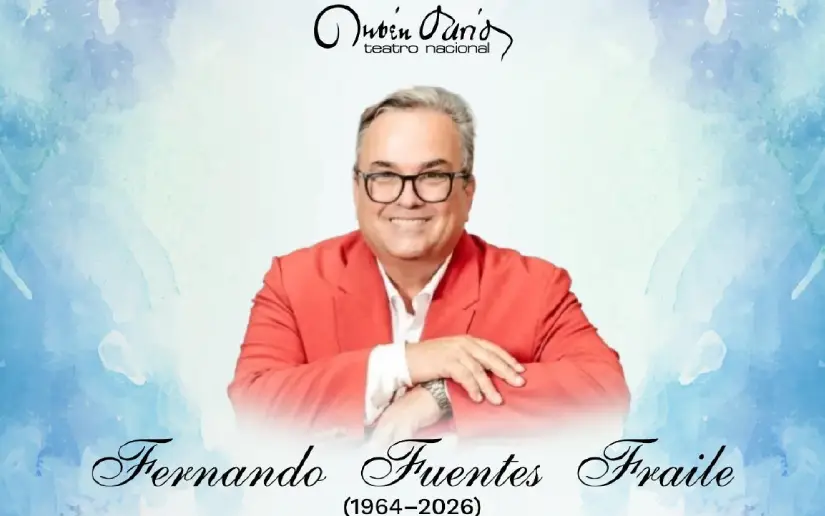
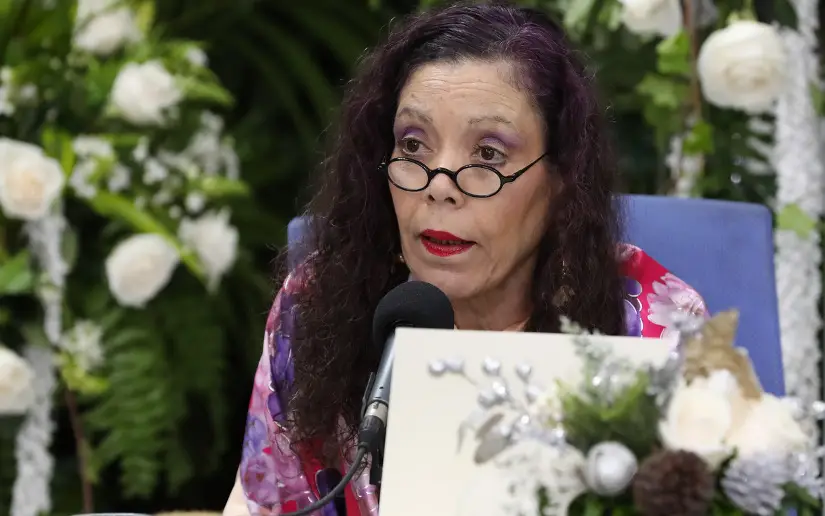
Fernando Fuentes Fraile, a Venezuelan-born fashion designer and coordinator of fashion for Nicaragua Diseña, died suddenly at age 62 in Managua from a heart attack, as confirmed by Nicaraguan Vice President Rosario Murillo and echoed across outlets on both sides. Both opposition and government-aligned media agree that Fuentes had become a central figure in Nicaragua’s fashion scene after more than two decades in the country, was closely associated with Camila Ortega Murillo through his role at Nicaragua Diseña, and was widely regarded as charismatic, passionate, and generous. Coverage converges on shared biographical details: he began in a family clothing workshop, later specialized in design in Venezuela and Spain, built a three-decade career, and played a leading role in fashion shows, television, and academic coordination. Both sides also acknowledge that his death prompted formal public tributes, including statements of mourning from Rosario Murillo, state cultural institutions, and the Rubén Darío National Theater, and that his family—some living abroad—will be honored in funeral ceremonies.
Across the spectrum, reports situate Fuentes within Nicaragua Diseña as an institutional platform that shaped the country’s fashion and design ecosystem, highlighting his efforts to promote emerging designers and national talent. Media on both sides present him as having embraced Nicaragua as his home and as a bridge between Venezuelan and Nicaraguan creative communities, reinforcing a shared narrative of cross-border cultural contribution. They agree that his work helped consolidate fashion as a recognized cultural expression and economic niche, with recurring references to his mentoring role, training new generations, and elevating local designers through shows, workshops, and collaborations with theaters and cultural institutes. Overall, there is consensus that Fuentes’ legacy is embedded in the institutional fabric of Nicaraguan fashion, where he is remembered as a driving force behind the professionalization and visibility of design in the country.
Political framing and institutional role. Opposition outlets describe Fuentes primarily as the “right-hand man” of Camila Ortega Murillo and present Nicaragua Diseña as an officialist platform closely tied to the governing family’s political project, emphasizing his proximity to power. Government-aligned coverage, by contrast, foregrounds his status as an “icon” and cultural promoter and frames Nicaragua Diseña as a national, inclusive space for creativity and talent, downplaying—or omitting—its function as a vehicle for Ortega family influence. While opposition pieces link his institutional role directly to the regime’s propaganda ecosystem, pro-government media embed him within a broader narrative of state-backed cultural development.
Tone and emphasis of tributes. Opposition media report Rosario Murillo’s and Camila Ortega’s messages largely in a factual and restrained tone, highlighting his work and sudden death but keeping official condolences at arm’s length and stressing his function within a power-aligned project. Government-aligned outlets, in contrast, use sentimental and reverential language—“beloved,” “light that transcends,” “indelible mark”—to construct Fuentes as a quasi-national hero, saturating coverage with institutional condolence notes and elaborate spiritual references to “passing to another plane of life.” For the opposition, his death is news within a politicized cultural apparatus; for government-aligned outlets, it is framed as a collective national mourning anchored in official voices.
Depoliticization versus critique of officialism. Opposition coverage explicitly labels Nicaragua Diseña as a platform of officialism and situates Fuentes’ career within the context of a regime that uses culture and fashion to project a modern, creative image despite political repression. Government-aligned media depoliticize his trajectory, presenting fashion and design as neutral, unifying fields and omitting any reference to the broader authoritarian context, sanctions, or co-optation of cultural spaces. Where opposition sources hint at how cultural projects can consolidate state power, pro-government narratives insist on art and design as spheres above politics, highlighting collaboration, joy, and national identity.
Scope of legacy and beneficiaries. Opposition outlets acknowledge Fuentes’ talent and influence but narrow the scope of his legacy to Nicaragua Diseña and circles close to the Ortega-Murillo apparatus, suggesting that the main beneficiaries were regime-aligned creatives and institutions. Government-aligned sources, by contrast, extend his legacy to the entire national fashion and cultural ecosystem, stressing that he opened doors for “numerous” young designers, strengthened national identity, and even contributed to television and education, thus universalizing his impact. The opposition treats him more as a key operative within an officially branded platform, while state-aligned media portray him as a broadly transformative cultural figure whose work transcends any single institution.
In summary, opposition coverage tends to acknowledge Fernando Fuentes Fraile’s talent while framing his career and death within a critical view of Nicaragua Diseña as an officialist project tied to the Ortega-Murillo family, while government-aligned coverage tends to exalt him as a national cultural icon, depoliticize his institutional role, and emphasize state-led tributes and a unifying legacy.