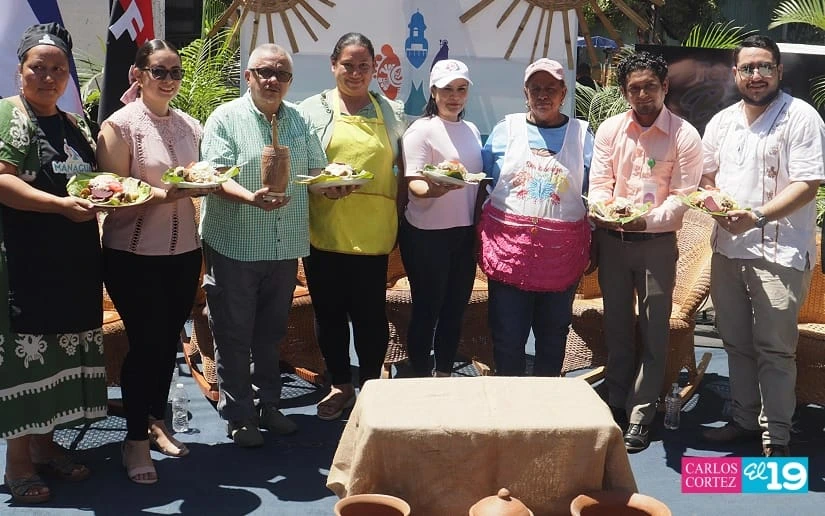
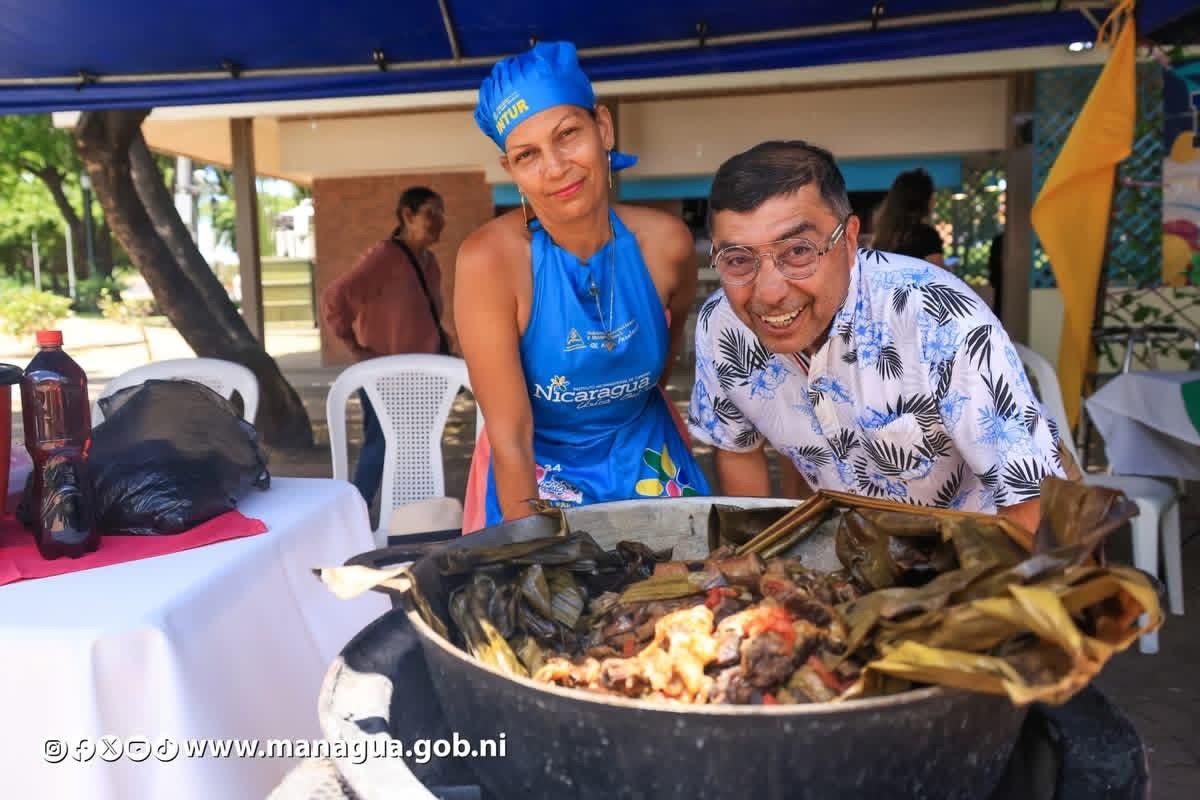
The Managua Mayor's Office organized a Festival of Baho and Cacao Fresco at the Tomás Borge Martínez Amphitheater in Managua, held on a Sunday, bringing together participants and vendors from various municipalities and markets in the department. Coverage agrees that the central focus was on traditional Nicaraguan gastronomy, especially the baho dish and cacao-based drinks, with an emphasis on the role of women vendors and cooks who have preserved these recipes. Reports concur that the festival functioned as a public, family-oriented event, where attendees could taste and purchase traditional foods, and that it was promoted as part of the local cultural calendar led by the municipal government.
Both sides also describe the festival as tied to broader efforts to promote and preserve Nicaraguan cultural heritage and traditional cuisine, positioning baho and cacao as emblematic of ancestral identity. They agree that the initiative is framed within a discourse of supporting small-scale producers and sellers, encouraging local consumption, and boosting what officials call the creative or popular economy. In this shared context, the Mayor's Office is portrayed as working with local markets and municipalities to showcase customs and traditions, and the event is situated among recurring cultural and gastronomic activities organized in Managua to reinforce a sense of national and local identity.
Areas of disagreement
Purpose and intent. Opposition-aligned sources tend to portray such municipal gastronomic festivals as primarily political staging, arguing that the declared goals of cultural rescue and economic support mask an underlying intent to generate propaganda for the ruling party and its local structures. Government-aligned outlets, by contrast, present the festival as a genuine cultural and economic initiative, spotlighting the rescue of traditions, community enjoyment, and opportunities for small vendors without questioning ulterior motives. Where the opposition stresses instrumentalization of culture for regime legitimacy, official coverage stresses continuity of public cultural policy.
Economic impact and beneficiaries. Opposition coverage often questions whether these events materially improve the livelihoods of small vendors, suggesting that benefits are short-term, selectively distributed, or overshadowed by broader economic hardship and informality. Government-aligned media emphasize the festival as a concrete expression of the creative economy, highlighting vendor participation from various municipalities and framing increased sales and visibility as direct gains for families and markets. Thus, the opposition frames the economic narrative around structural precarity and inequality, while pro-government outlets foreground immediate commercial opportunities and success stories.
Political and social context. Opposition sources are likely to situate the festival within a wider context of authoritarian governance, restrictions on civic space, and the use of public events to occupy streets with regime-friendly activities, arguing that cultural programming cannot be separated from the political climate. Government-aligned coverage largely brackets this broader conflict, treating the festival as apolitical community life and focusing on joy, family recreation, and national pride, without reference to repression or dissent. This leads opposition outlets to see the same images of festivity as part of a strategy of normalization, while official media depict them as evidence of social peace and normalcy.
Representation of institutions and citizens. Opposition-leaning reporting often characterizes the Mayor's Office and allied institutions as partisan actors, suggesting that participation and promotion favor loyalists and that citizens appear more as spectators in a controlled setting than as autonomous cultural agents. Government-aligned outlets, meanwhile, frame the municipality and national programs as facilitators that empower women, families, and local entrepreneurs, portraying citizens as protagonists in preserving heritage. Consequently, the opposition emphasizes institutional capture and political branding, whereas official media stress institutional support and harmonious collaboration with the community.
In summary, opposition coverage tends to question the sincerity, distribution of benefits, and political backdrop of the Festival of Baho and Cacao Fresco, while government-aligned coverage tends to celebrate it as a successful, inclusive initiative that strengthens culture, family recreation, and the local creative economy.